Preliminary Information
Announcement: Release of Version 5 (V5)
A further revision of the present study is scheduled for publication on Zenodo in late March 2026. Version 5 (V5) is the result of a necessary review and correction phase, aimed at expanding the methodological framework. A key component of this version is the consolidation of the reproduction protocol, which provides the basis for the objective verification of data regarding the identified morphology.
Overview of V5 Content:
- Data Revision: Implementation of precise corrections to enhance scientific reliability and statistical significance.
- Video – Methodological Focus: Detailed presentation of the reproduction protocol for independent validation of results.
- Videographic Evidence: Documentation of the metric analysis, visually verifying the established structural rigidity of the morphology.
Publication Status: The explanatory video for the reproduction protocol is already linked on this website (via YouTube).
Publication: Quantitative Metrological Study and Reproduction Protocol of the Kumburgaz Face
The study available on Zenodo is based on a preliminary examination of a still image, which is presented here. Explanatory notes on the reproduction protocol of the identified pupil positions and other morphological analogs in the study can be found in the next section.
The detailed metrological analysis of the visible eye structures revealed extreme metric rigidity (SD = 0.010). The conclusion, based on the best explanation, classifies a Non-Human Intelligence (NHI) as a Constructed Biological Entity (CBE) and suggests a bio-technological design.
!!! Call for Interdisciplinary Validation: We invite experts in metrology, statistics, and image analysis to perform cross-validation of the protocol and critically review and confirm the CBE conclusion. !!!
Data access (en-/de-Version): Study and Materials: Citation: Lacson, C. (2025). Quantitative Metrological Study of Anomalous Signatures in a Recorded 2008 UFO Case: Implications for Non-Human Intelligence (NHI). Zenodo.
REPRODUCTION PROTOCOL: VIDEO DOCUMENTATION NOW AVAILABLE
---------------------------------------------------------------------------------------------------------------------------------------------------------------------------------------
Accompanying explanation of the study's reproduction protocol (see Table A.2 in the Appendix):
REPRODUCTION PROTOCOL FOR THE EXTRACTION OF OCULAR MORPHOLOGY (STEP-BY-STEP INSTRUCTION)
Preliminary Note on Validation: To correctly validate the results presented here and to ensure metrological integrity, the following workflow in Adobe Photoshop (Version 26.11.0 or newer) must be strictly adhered to. Any deviation from the specified numerical values (Phases II, III, IV) alters the metrological basis.
Phase I: File Preparation and Import (Protocol Step 1)
- Step 1: Load working file (TIFF): Upload the working file (Fig. 2.2, TIFF format) or the ROI file (Fig. 3.1) to Adobe Photoshop. Ensure that the correct color profile is imported and confirmed. This file is Layer 1.
- Check coordinate system: The Photoshop coordinate system used (program version 26.11.0) must define the Y-axis as "negative top, positive bottom" (i.e., the Y-axis origin is located in the top left) to ensure the correct aspect ratio.
Phases II to IV: Chromatic Demasking (Steps 2, 3, 4):
Step 2: Initial Color Shifts: Go to "Corrections" and apply the "Hue/Saturation" filter to globally shift the colors and isolate the target structures. (This filter forms Layer 2 and is applied over Layer 1.)
- Master Channel (8 colors, left circle): Hue: -180; Saturation: +100, Lightness: 0.
- Green Channel (4th circle from the left): Hue: +180; Saturation: 0, Lightness: 0.
Step 3: Contrast Separation: Go to "Corrections" and add a "Curves" adjustment layer. This layer lies above "Hue/Saturation Layer". Choose shape an S-curve in the RGB channel for separating dark tones.
The two control points must be set exactly:
- 1. Control Point: Input 4 / Output 120
- 2. Control Point: Input 41 / Output 41.
Step 4: Final Isolation/Demasking: Switch to Layer 2: The final chromatic isolation is performed in the cyan channel (5th circle from the left) on the same layer as in Step 2.
Important: Slowly move the Cyan Slider across the entire range (iteratively) while continuously observing the visual results. Refer to Table A.3 for the corresponding data.
Phase V: Measurement and Validation (Protocol Step 5)
- Placement of PSD files (Top Layer): To ensure correct placement, the PSD control files available on Zenodo must be placed on top of the working file using the "Place Linked" function (File → Place Linked).
- Disable the Template's PSD background layer (black): The PSD files are sometimes uploaded with a black base layer. This layer must be disabled.Some PSD files are uploaded with a black base layer. This layer must be disabled.
- To do this, navigate to the layer of the PSD file.
- Right-click and select "Convert to Layers" and confirm all subsequent options.
- Now click on the folder containing the individual layers of the PSD file: Here, deactivate Layer 1. You should now only see the Template.
- Adjust Template Size & Fix Aspect Ratio: To adjust the template size, select "Edit" -> "Free Transform". You can now move the template freely. Before moving the template, the specified aspect ratio must be fixed. You can do this in the top toolbar, where there is a small rectangle ("Link Shape Width and Height") that must be activated.
- Coordinate Correction (Final): To compensate for systematic rotation errors, a coordinate offset is required. Apply the correction value Y: - 6 pixels (offset vector) to determine the final X/Y coordinate value.
Validation with manually created PSD templates: Same procedure as with the coordinate template.
Control function using Figures 9.2.1 to 9.2.14:
To use these images as control elements, proceed as follows:
- Create a new layer that sits on top of all other layers. Activate this layer.
- Open the image you want to use as a control in Photoshop.
- Insert the control image using "Place Linked" (File → Place Linked).
- Resize the control layer using "Edit → Free Transform." Be sure to observe the specified aspect ratio, which can be locked in the top horizontal bar (activate the rectangular box).
- For the image to function as a control, its opacity (transparency) must be reduced, for example, to 50%. This option can be found in the Layers panel.
Insights into Augmented Reality: Between Experience and Evidence
Welcome
This platform serves to deepen and verify a reality that is already a certainty for many: we are interacting with a multidiversity of non-human presences.
While the general debate often still revolves around the question of existence itself, our work here focuses on objective documentation and analysis. We present the results of an independent scientific investigation that goes beyond mere indication. Through the metrological recording of the Kumburgaz data and the alignment with physical contact events (1987), we transition subjective experience into quantifiable evidence.
This is a space for those ready to take the next step: moving away from the question of "if," toward an understanding of "what" and "how."
The Connection: A Phenomenon with Many Faces
Here, we bridge the gap between direct contact with a Non-Human Intelligence (NHI) in 1987 and the world-renowned UFO sightings over the Sea of Marmara (Kumburgaz, 2008).
This is not necessarily about an isolated species. Current observations suggest that we may be dealing with a multidiversity of non-human presence. While various manifestations often remain fleeting or elusive, physically tangible types leave clearer traces in our documentation systems.
Upon examining the footage by Murat Yalcin Yalman, the author recognized specific features in a video sequence (Still 7, as analyzed by Mario Valdés) that she had already encountered in 1987: the distinct silhouette, the dark skin tone, and the glowing yellow eyes beneath a characteristically curved bone protrusion.
The Scene in Focus: The material shows the entity in a context that can be interpreted as a clinical examination of a person in the foreground. While the biological processes—such as the intake of fluid for the energy supply of the CBE—show a functional necessity, the scene simultaneously illustrates the documented medical interest of these intelligences in human physiology.
Quantifiable Evidence: From Art to Metrology
What began as subjective artistic processing has become hard evidence through a quantitative study (based on the preliminary work of Mario Valdés). The research results underscore the authenticity of the film material and provide measurable physical evidence:
- Structural Analysis: The data points to the existence of a Constructed Biological Entity (CBE). This entity exhibits a metrically near-perfect geometric positional stability of pupil positions and other ocular structures.
- Beyond Conditioning: The fact that the appearance of these beings (often labeled as "Greys" or "Cyborgs") seems alien is mostly the result of cultural conditioning. However, the data reveals a functional physiology. This is not about science fiction clichés, but about understanding a highly efficient, integrated biology.
An Invitation to Understand
This documentation is intended to help make the diverse reality of non-human intelligences tangible. The conclusion is clear: this NHI species exists and was present at the documented times.
The combination of documented sightings, metrological analysis, and a medical perspective allows this experience to be shared today as part of a common reality—a reality from which no one needs to shrink back. If one finds the courage to leap over the shadow of trained fears, this presence can be understood for what it is: part of a much larger, multidiverse fabric.
I. Table of Contents
1 Early Documentation of the 1987 NHI Contact
2 Initial Analysis & Original Image
2.1 Prehistory, Analysis Materials & Preparations
2.2 The Original Image & Enlargements
2.2.1 The Source File
2.2.2 Enlargements made of Still Image 7
2.3 Methodology of Exploratory Image Optimization
3 Detailed Analysis of Facial Morphology & Interacting Elements
3.1 Exploratory Analysis of Eye Morphology (Figs. 3.1 – 3.6 and Figs. 9.1.1–9.2.14)
3.2 The Head — Position, Morphology & Light Reflections (Figs. 3.7 - 3.8)
3.3 The Nasal Structure (Figs. 3.9 - 3.13)
3.4 The Oral Structure (Figs. 3.14 - 3.17)
3.5 The Supply Unit (External Feeding Element)
3.5.1 Analysis of the Tank (Figs. 3.19 - 3.21)
3.5.2 Analysis of the CBE-Serving Supply Unit. (Figs. 3.22 - 3.23)
4 Analysis Results & Conclusion
5 References
II. List of Figures
Fig. 2.1: The Original Image of the Valdés´ Analysis (Still Image 7 in Focus).
Fig. 2.2: Marking of the Bright Areas in the Background.
Fig. 2.3: Display of the Magnification Step from 212% to 290%.
Fig. 2.4: Display of the Magnification Step from 212% to 396%.
Fig. 2.5: Display of the Magnification Step from 212% to 624%.
Fig. 2.6: Defined Region of Interest (ROI).
Figs. 3.1 & 3.2: Initial Visual Assessment of Facial Morphology.
Figs. 3.3 & 3.4: Visual Evidence of the Inherent Luminescence of Ocular Structures.
Figs. 3.5 & 3.6: Methodological Presentation and Contextual Comparison.
Figs. 9.2.1 to 9.2.14: Demasking of the Pupils with Varying Parameters & First Coordinate System.
Fig. 3.7: Hypothetical Head Positioning and Reflection Patterns.
Fig. 3.8: Visual Evidence of Light Reflections Localized on the Head Surface.
Fig. 3.9: Nasal Structure – Tracing & Position Analysis (Corresponds to Fig. 9.2.2).
Fig. 3.10: Indication of Spatial Structure (Corresponds to Fig. 9.2.5).
Fig. 3.11: Three-Dimensional Artifact Structure (Corresponds to Fig. 9.2.5).
Fig. 3.12: Homogeneous Coloring & Spatial Artifact Line Aarrangement (Corresponds to Fig. 9.2.7).
Fig. 3.13: Axis Reference and Nasal Root (Corresponds to Fig. 9.2.10).
Fig. 3.14: The Mouth Region in Focus.
Fig. 3.15: Differentiation of the Mouth Region & Light Reflection.
Fig. 3.16: A Striking Illustration of the Right Corner of the Mouth.
Fig. 3.17: Detailed Analysis of the Oral Region & Morphological Analogy.
Fig. 3.18: Individual Elements of the Supply Unit.
Fig. 3.19: Initial Identification and Localization of the Outer Structure.
Fig. 3.20: Analysis of Artifact and Object Structures.
Fig. 3.21: Evidence of the Physical Tank.
Fig. 3.22: Component Analysis: Tube (B) & Liquid (C).
Fig. 3.23: The Liquid Medium (C) as the Transport Medium for the Energy Supply.
III. List of Galleries
Gallery 1 — Morphological Ocular Structures (Series A).
Gallery 2 — Morphological Ocular Structures (Series B).
Gallery 3 — Positional Constancy & Geometric Coupling.
Gallery 4 — Comparative Documentation – Visual Evidence of the Liquid Phase (Area C).
Gallery 5 — Context of the Energy Supply Process.
IV. List of Abbreviations
CBE: CBE: English, Constructed Bio-Technological Entity (Cybernetic Organism (“Cyborg”))
NHI: Non-human intelligence
ROI: Region of Interest
UAP: Unidentified Aerial Phenomena
1 Early Documentation of the 1987 NHI Contact
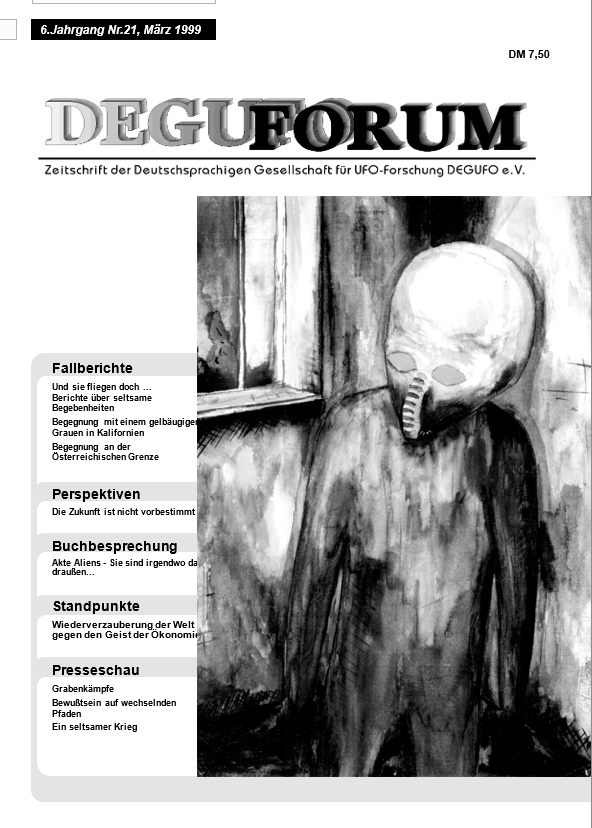
This gallery features paintings by the author, created from her memories of the event. They depict portraits of the entity and the situation at the time. Image 1 in the gallery documents a publication in a case-related issue of the journal DEGUFO from 1999.
Click for full size view.
Paintings of the 1987 NHI Contact in Sacramento, California
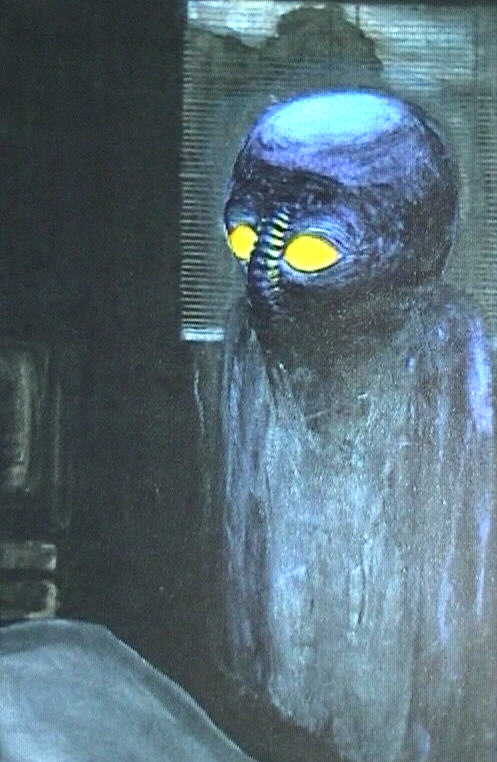
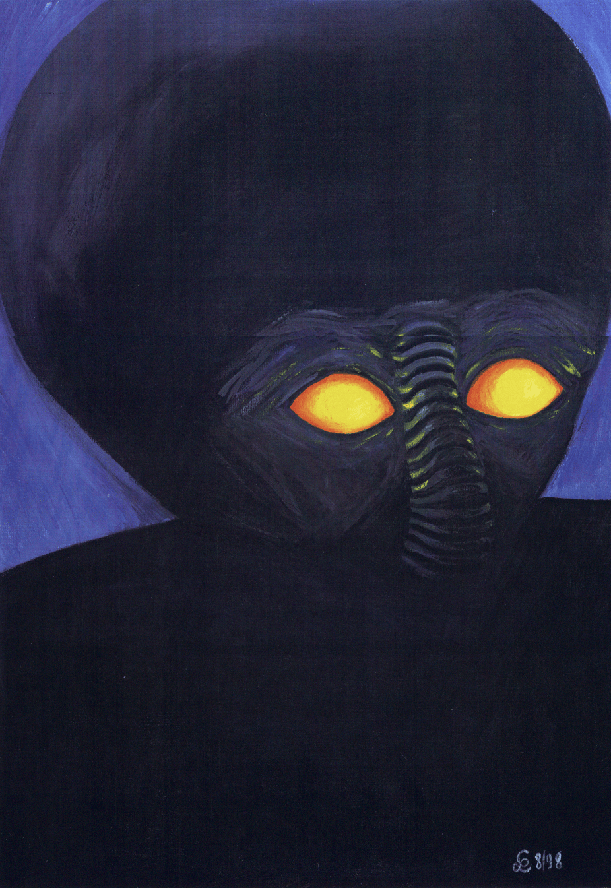
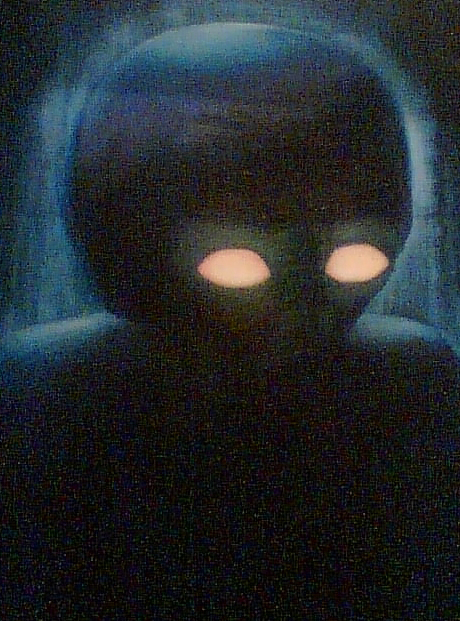
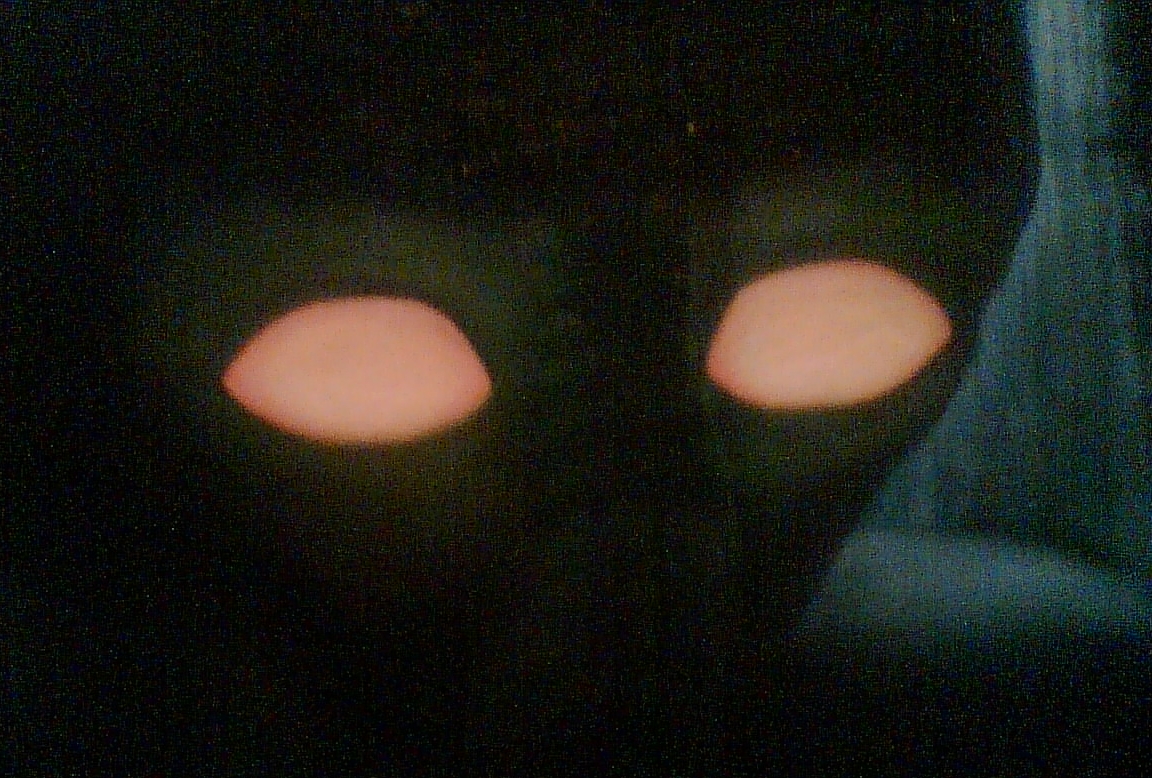
This series of paintings by the author depicts the direct encounter with an entity from 1987. These works are based on memories of the event. Some of these early works, created years before Yalman's (2008) photographs, are of particular relevance. When viewing them, note the characteristic Grey head shape and the luminous eyes. The center of the face differs structurally from the center of the face of the entity examined in Still Image 7 (Valdés, 2010).
Figures 1 and 2: The Situation The author briefly describes the entire spatial situation: "I was lying awake, with my eyes closed, in the bed of my guest room when I suddenly heard a faint noise and, at the same time, could no longer move. I managed to open my eyes twice with effort. The first time, I saw a humanoid entity standing in front of my bed, looking at my body. The image shows the situation when I first opened my eyes. For me, the entire situation lasted from seconds to a few minutes. When the entire situation was over, I looked at the clock and noticed that over an hour had passed."
Documentation of Figures 1 and 2: These paintings, created in the early 1990s, are qualitative, original evidence of direct NHI contact corresponding to the Grey typology.
- Figure 1 (DEGUFO IMAGE): Early evidence from 1987 was published as part of a case report in the journal of DEGUFO e.V., issue no. 21, March 1999. This watercolor depicts the position when the author was first able to open her eyes; the NHI's head is turned toward the bed.
- Figure 2: This image is in the author's possession. Its age could be forensically examined.
Portraits - Figures 3, 4, and 5
These portraits document the head and face of the entity as the author saw it during the second visual sighting. Figure 3 dates from 1998, while the later painting (Figures 4 and 5) is assumed to have been created around 2006–2008.
- The Situation and Lighting: The author's encounter occurred after artificial light sources were switched off (approx. 12:15 a.m.). Afterwards, some moonlight (waning moon) may have slightly illuminated the room. After the author first saw the NHI, her eyes involuntarily closed after a short time. During this time, she thought about the person who was sleeping directly behind her bedroom door that night. The author then managed to open her eyes a second time and saw the NHI in a different position; the entity was now facing the guest room door. The image shows the position from which the author saw the NHI from the bed.
- Documentation Context (Figure 3): Another portrait from the same period (early 1990s), which the author painted and dated by hand, confirms the continuous artistic documentation of this NHI contact. Although this dated original is unfortunately no longer in her possession—it was given away.
- Visual Analysis (Figures 4 and 5): The author describes this later portrait (Figure 4; Figure 5 corresponds to as an enlarged crop of Figure 4) as "similar to a photograph." Despite the dark room (without artificial light sources), facial features were partially visible due to the actively glowing eyes and could be documented by the author.
2 Initial Analysis of a Still Image (Kumburgaz UFO Case)
2.1 Prehistory, Analysis Material & Preparations
Prehistory
The original video footage, taken by Murat Yalcin Yalman (2008), was first examined under the direction of Haktan Akdogan of the SIRIUS UFO organization. Both the Scientific and Technological Research Council of Turkey (TÜBİTAK) and international video experts from Japan, Russia, and Turkey confirmed that the recordings are authentic.
The graphic artist and video expert Mario Valdés (2010) subsequently analyzed the videos in depth to rule out possible forgeries or staging. He used zooming, still-image editing, and the creation of photograms. Valdés also concluded that the footage is authentic, showing objects with occupants at a great distance. He ruled out computer animations, 3D rendering, puppets, or models.
Valdés' conclusion is: "My conclusion is that this case, up to this point, is a real, highly unusual event ... for which there is no conventional, convincing and provable explanation, and which is therefore not identified to my knowledge.".
Foundation of the Subsequent Analysis (Valdés' Preparation)
Valdés prepared the footage by using zoom magnifications, lighting adjustments, and creating photograms from electronic copies of the original recordings. This professional image processing highlighted pre-existing structures, ensuring that no structures were added, substantially altered, or removed.
Fortunately, this excellent preparatory work by Valdés and his provision of the material for scientific purposes (within the framework of his published analysis on NUFOC) serves as the direct foundation for the here presented preceding investigation related to the Study.
2.2 The Original Image & Enlargements
2.2.1 The Source File
The following figures show the original image from Valdés' published analysis of the Kumburgaz case.
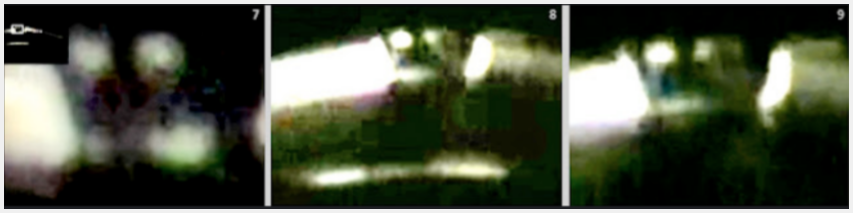
Figure 2.1: The Original Image of the Valdés´ Analysis (Still Image 7 in Focus).
The original image is a compilation of still images 7, 8, and 9, which Valdés selected for his video analysis. The source file is in JPEG format and is presented losslessly in PNG format in this work. The analysis focuses on still image 7, which is located on the left of the figure. This original image was displayed in full-screen mode in Windows Photo Viewer at a scaling of 212%.
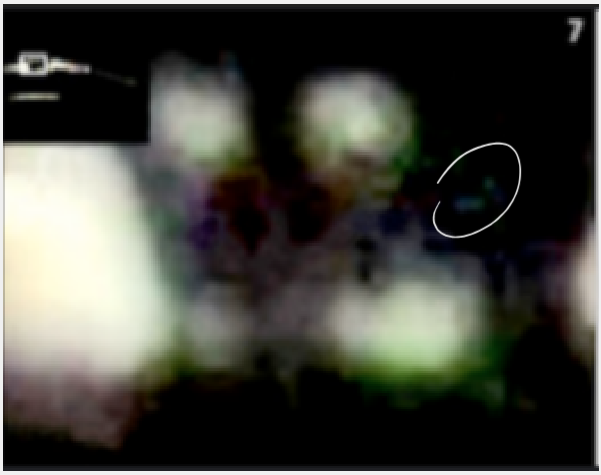
Figure 2.2: Marking of the Bright Areas in the Background.
During the first detailed examination of the original image (Still Image 7) in 2023, the author noticed two bright areas in the dark background (right side of Still Image 7). These anomalies are marked in white for emphasis. Due to the conspicuous shape and brightness of this anomaly, the magnification of the still image was immediately decided upon.
The late discovery of these bright areas can be explained by the following factors: On the one hand, the figures in the foreground were the focus of earlier investigations. On the other hand, although these bright areas are recognizable, without the hypothesis of possible anatomical significance, they are easily interpreted as insignificant image noise. Furthermore, it was likely not expected that an investigation using image processing would lead to insightful results.
Technical Details: This figure shows the cropped Still Image 7. The marking serves to highlight the bright areas in the dark background.
2.2.2 Enlargements made of Still Image 7
This section shows the successive magnification of still image 7 and defines the relevant region of interest (ROI).
Figures 2.3 to 2.6 document the consecutive magnification steps (212% to 957%) that lead to the definition of the relevant region of interest (ROI). Any digital post-processing (brightness, contrast, etc.) is avoided. The visible morphological details are created exclusively by the optical magnification of the image section.
- The magnifications are performed using Windows Photo Viewer.
- Please note that all images shown (originally JPEG) are available on the website in lossless PNG format. Since PNG is a lossless format, the existing image data is neither distorted nor altered.

Figure 2.6: Defined Region of Interest (ROI). This image represents the starting point of the actual image investigation. It shows the defined ROI at magnifications ranging from 212% to 957% (based on the preliminary work of Yalman and Valdés). Up to this point, no further image processing (brightness, contrast, etc.) has been performed. The chosen magnifications alone already provide initial insightful details.
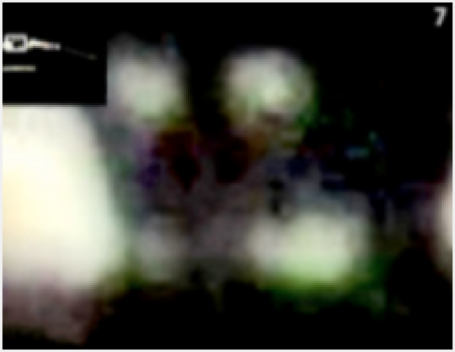
Figure 2.3: Display of the Magnification Step from 212% to 290%.
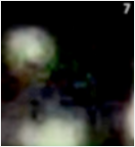
Figure 2.4: Display of the Magnification Step from 212% to 396%.

2.3 Methodology of Exploratory Image Optimization
Methodological Implementation (Tools and Parameters): The following summarizes methodological principles and notes on the tools used.
Principles of Structure Identification:
The identification of details, structures, and morphological features (anatomical analogs) is based on the following fundamental principles:
- Visual pattern Recognition: The identification of a morphology (anatomical analogue) or structure is achieved by comparison with known patterns.
- Confirmation through Repitition: Identified patterns appear repeatedly with different combinations of image adjustments.
- Reproducibility: Patterns of morphological structures can generally be reproduced despite the proprietary image processing algorithm of the Microsoft Designer tool. Exceptions to this (e.g., pupils and irises, which are obscured due to the eye's internal luminescence) require a special reproduction method.
Graphical Verification of Structures
- Determination of positions using reference/intersection points, horizontal and vertical lines.
- Comparison and differentiation of structures and their feature characteristics (size, orientation, color values, etc.).
Documentation of Tools Used and General Notes
- Tools Used: Windows Photo Viewer, Photopad, CapCut, and Microsoft Designer (MD). These tools are used for the following edits: image adjustments (as specified below), cropping, annotations, labeling, and collage creation.
- Image Editing with the "Microsoft Designer, MD" tool: Image adjustments are performed using the Microsoft Designer editing tool.
- Parameters applied in MD: Editing was done exclusively by successively applying the following six options: brightness, contrast, saturation, shadows, color temperature, and sharpness.
- Reproducibility: The image adjustments made here with Microsoft Designer lead to visual results (e.g., facial contours, eye contours) whose exact algorithms for the editing options (e.g., changes to the image through brightness reduction, etc.) are unknown due to the proprietary (unknown) algorithm used by Microsoft. Most image results are nevertheless reproducible. An exception is the reproduction of the pupils, limbal rings, and irises. A reproduction protocol for the pupils and limbal ring shadows is already available (see the link at the top of the page for the corresponding study). A reproduction protocol for demasking the irises present in the image is currently under development (02/26).
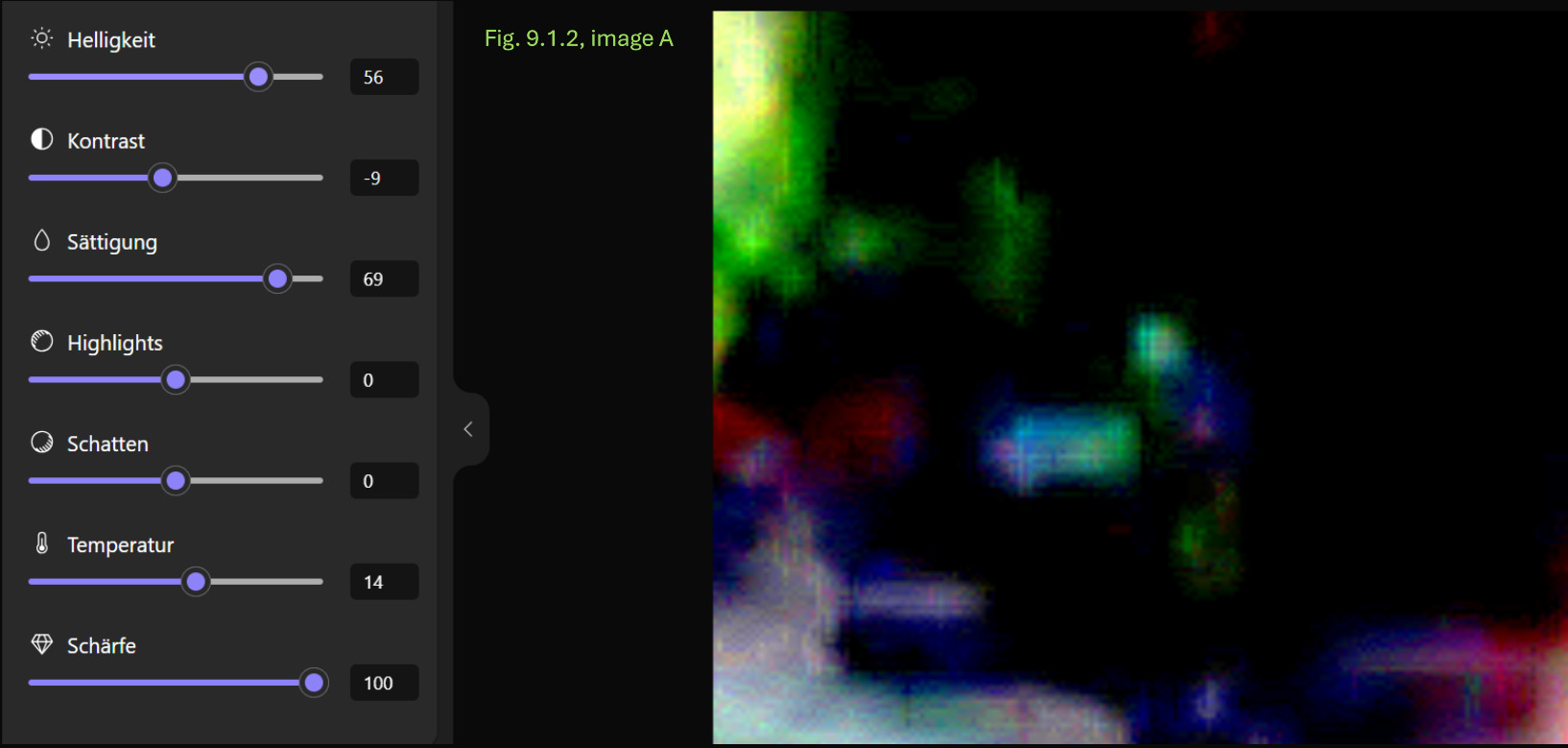
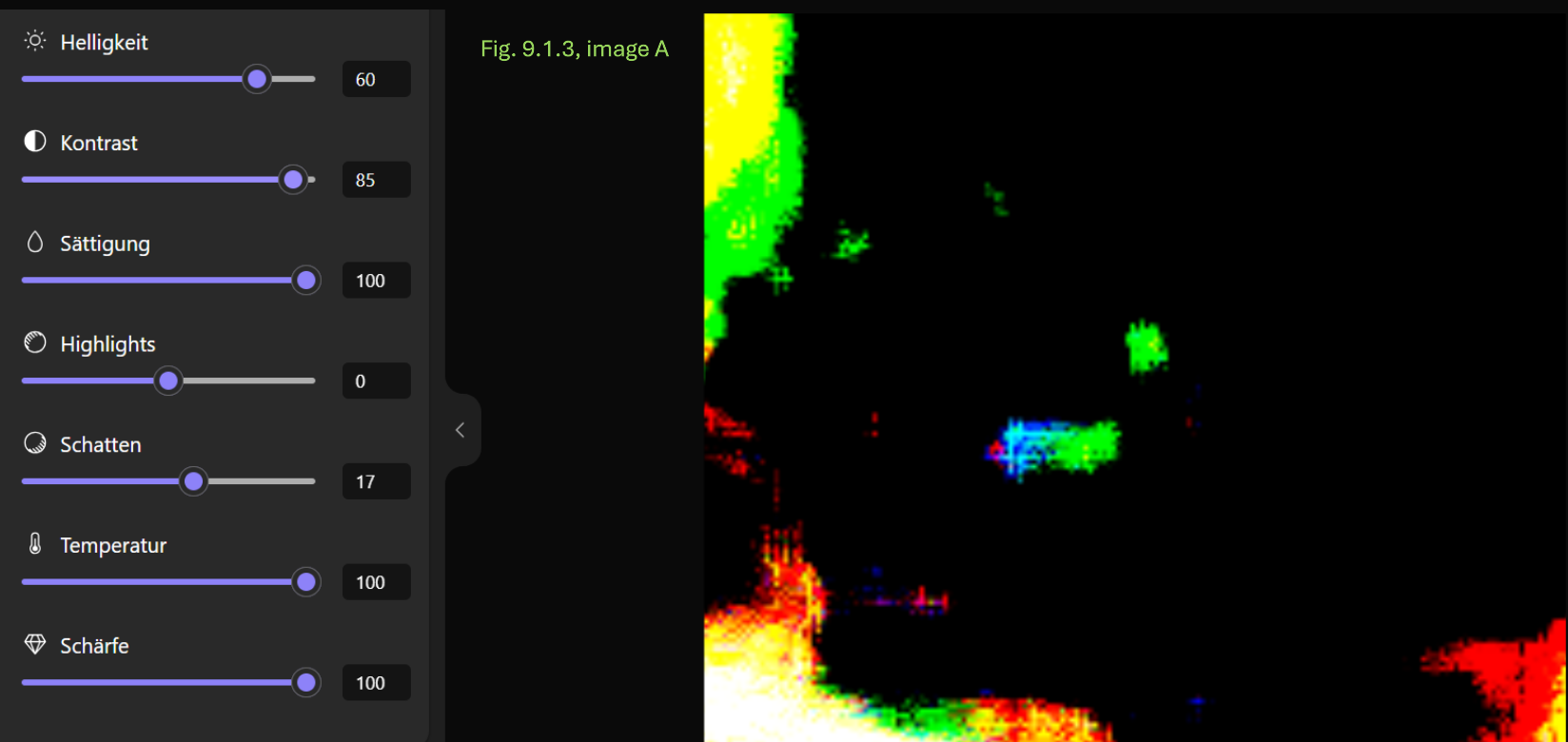
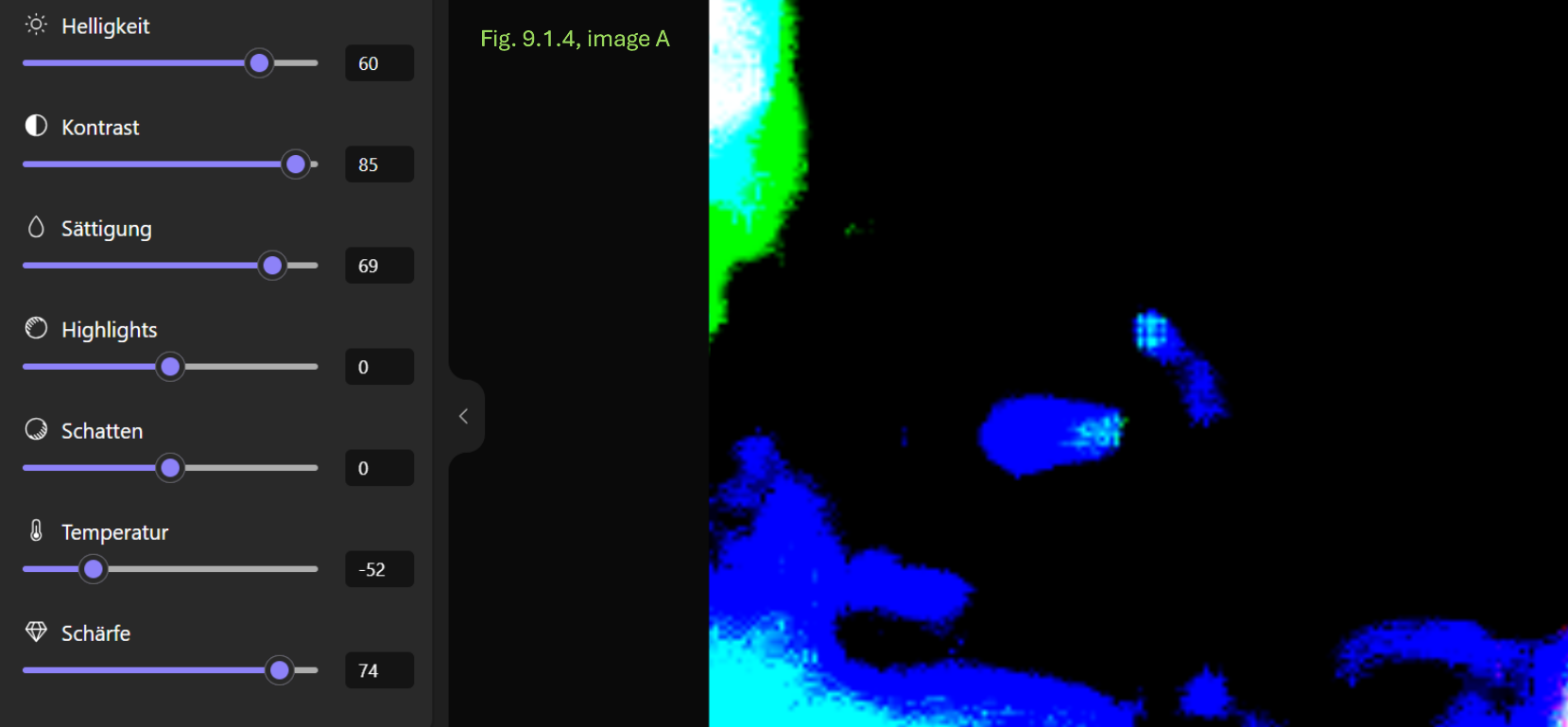
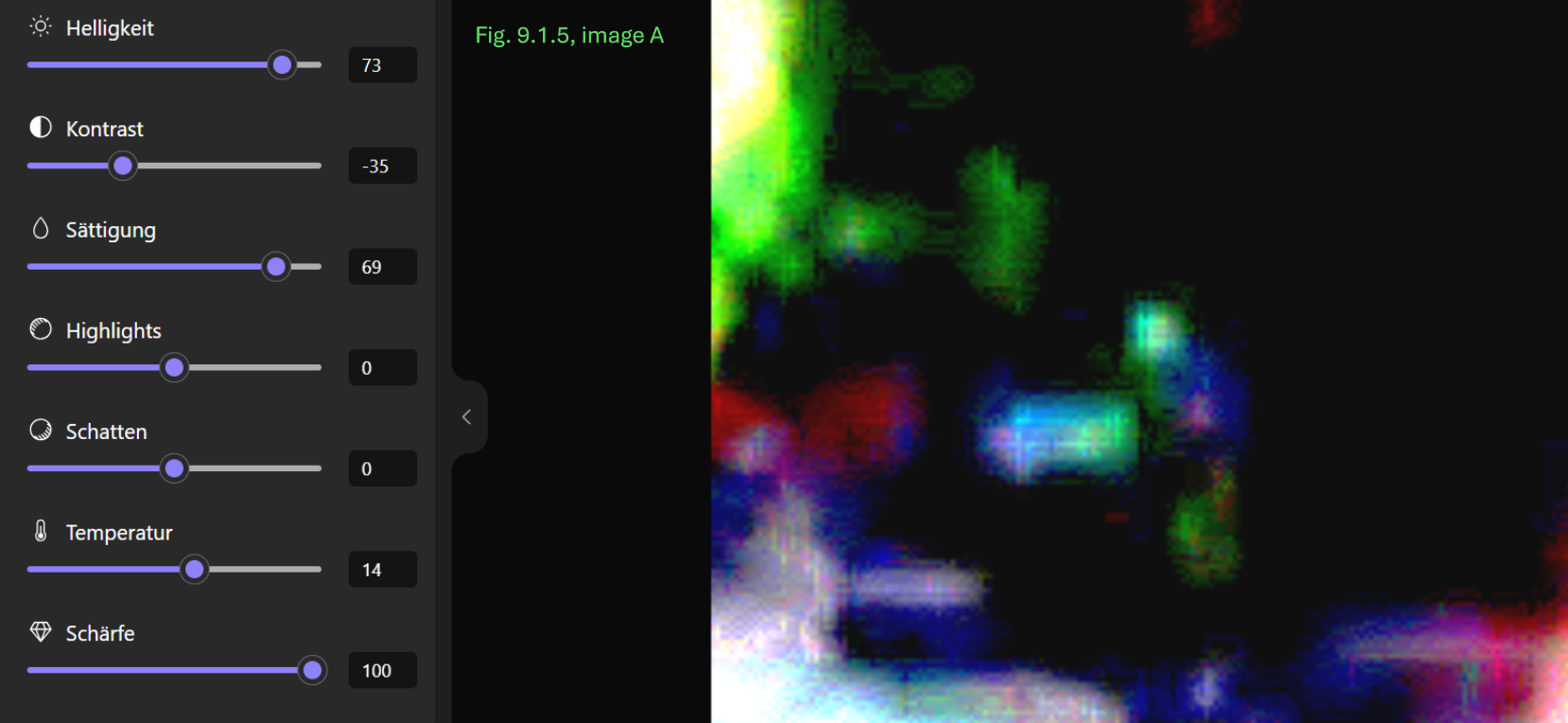
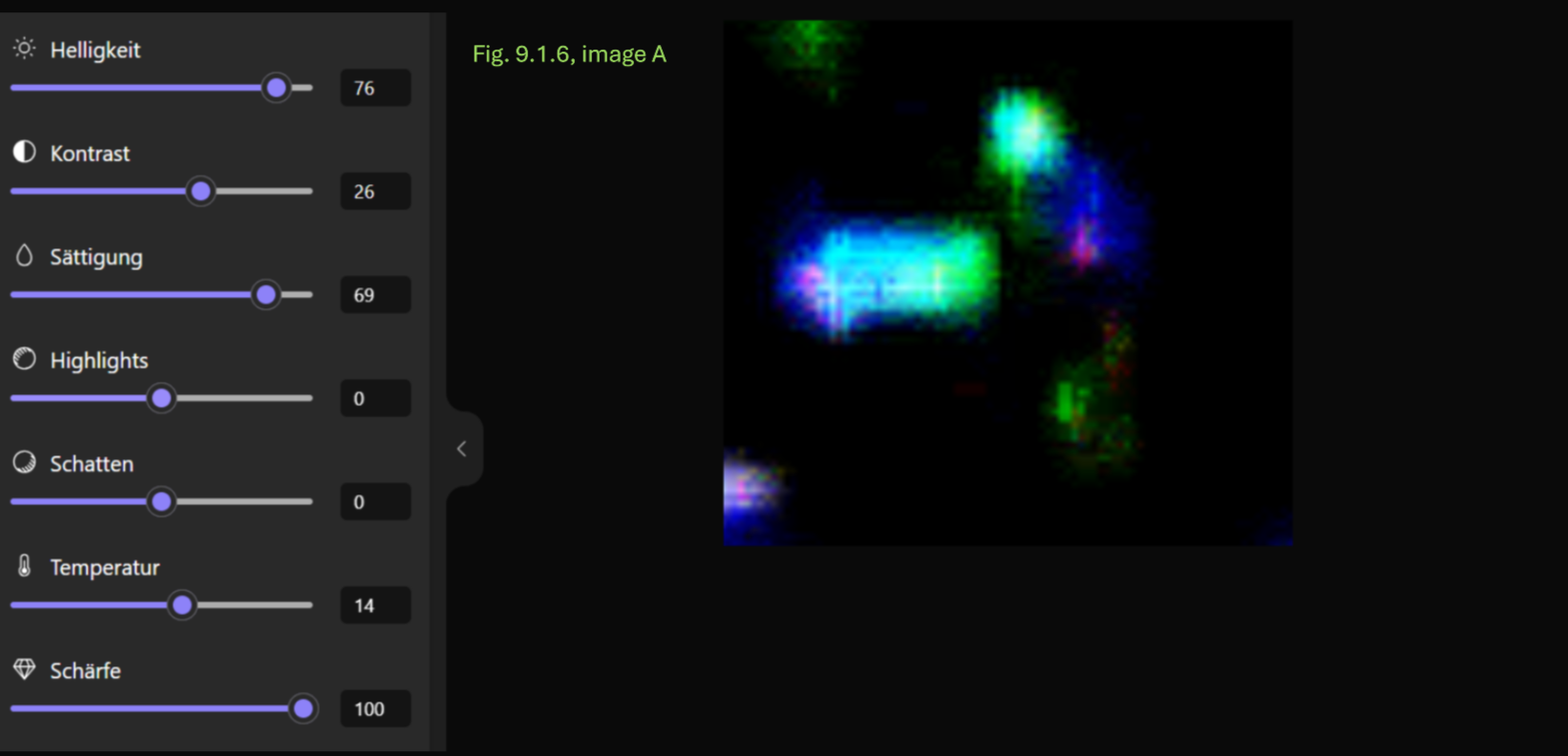
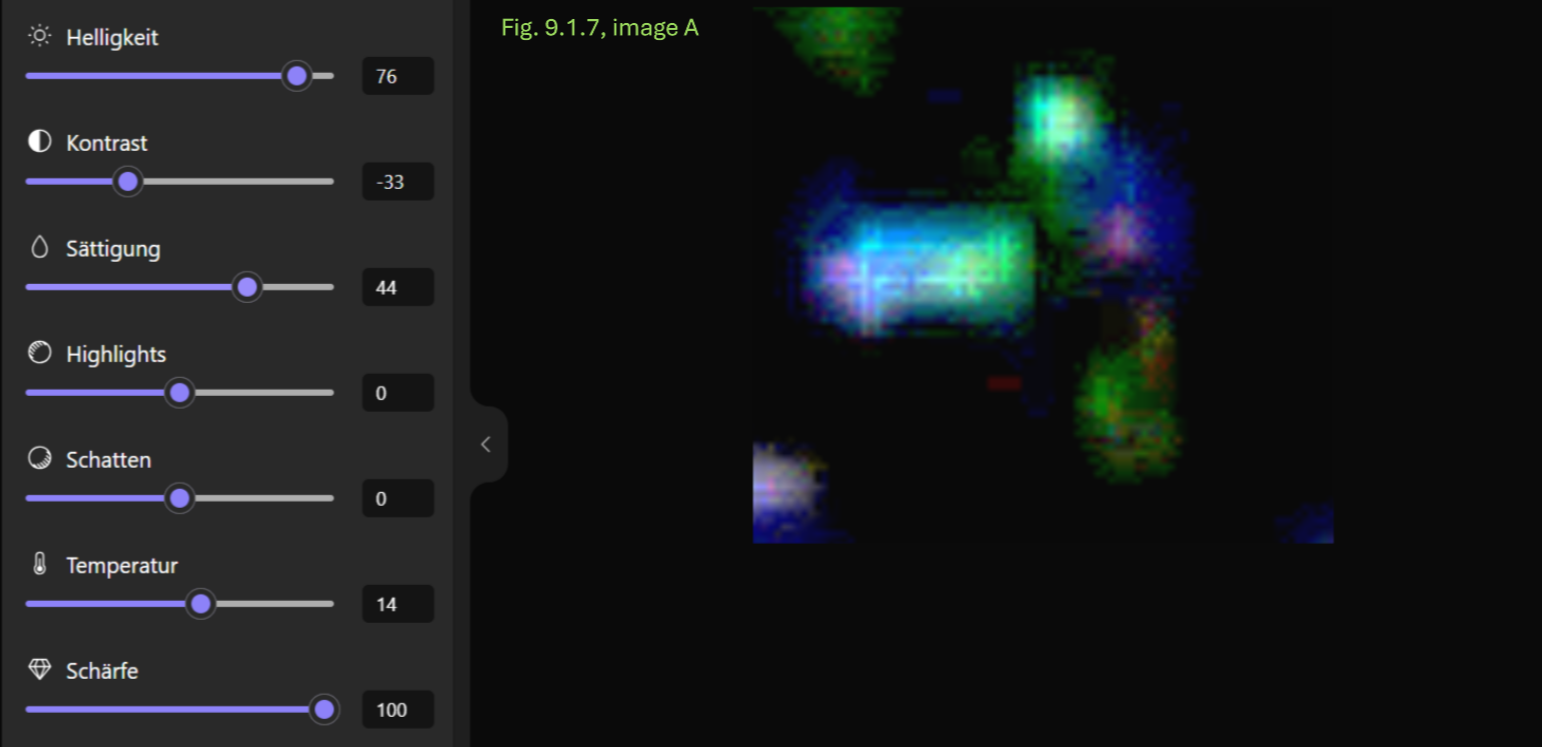
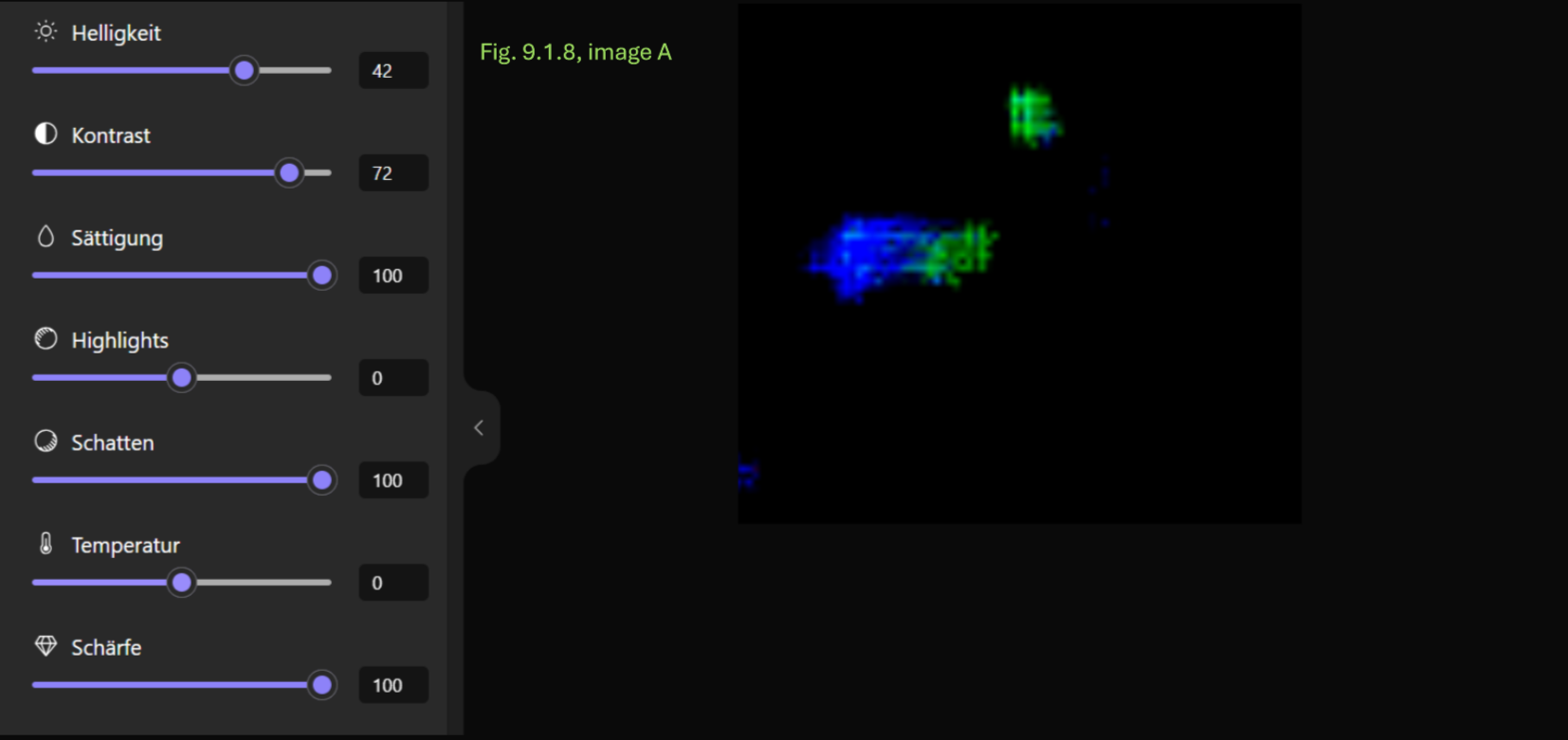
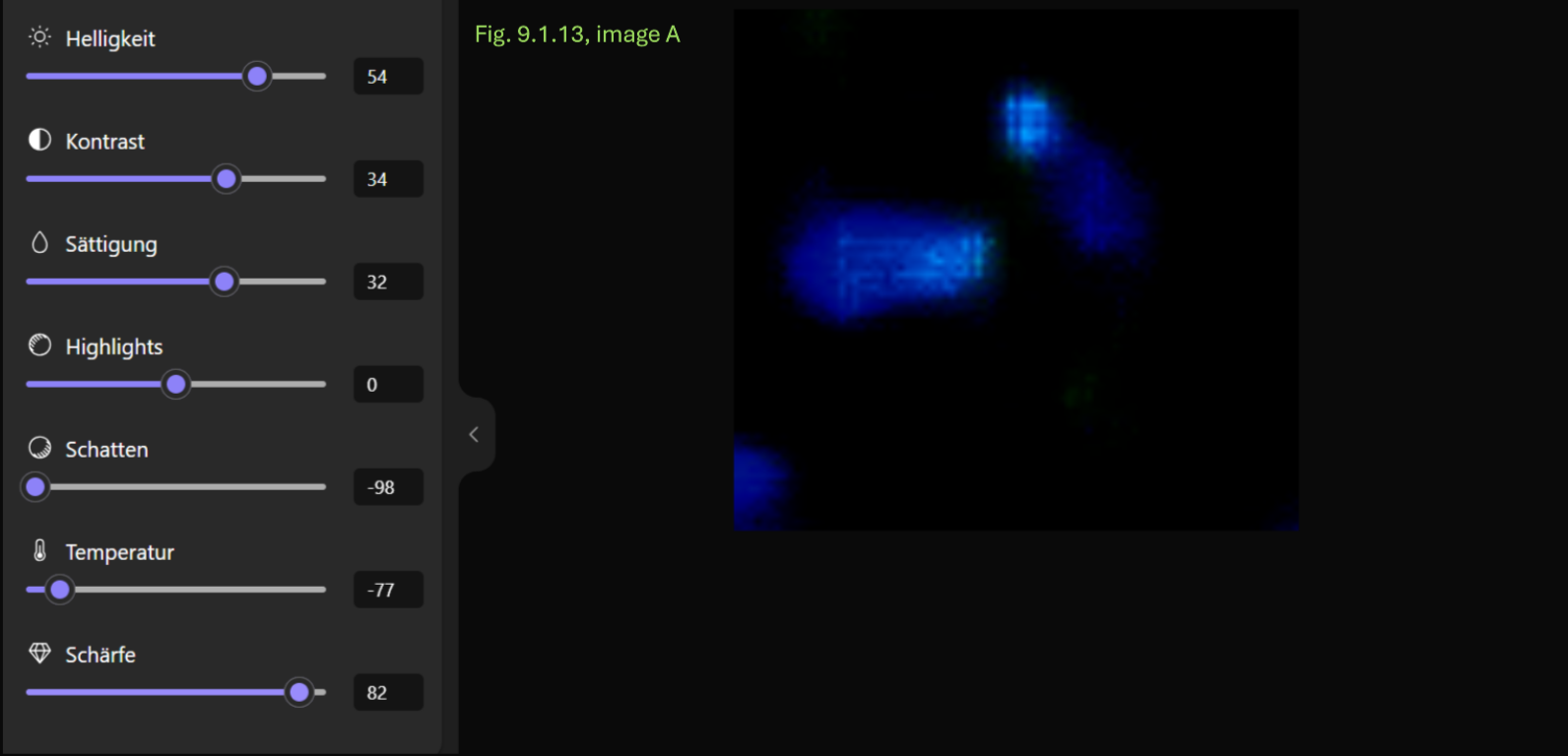
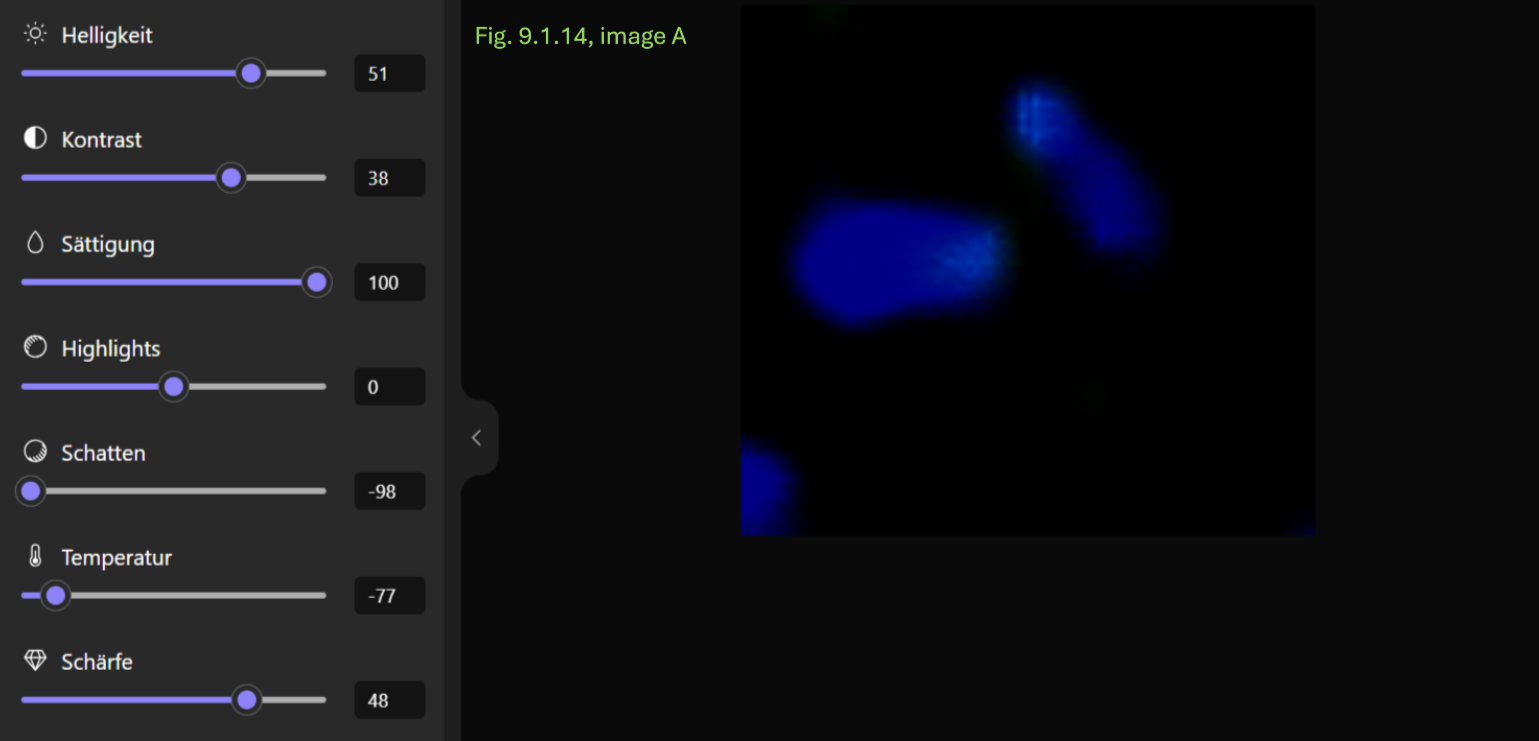
- Documentation of Reproduction Parameters: To ensure interdisciplinary reproducibility — for reproduction by third parties — the respective captions document a detailed description of the identified morphology or structure, as well as the specific reproduction parameters applied (brightness, contrast, saturation, shadows, color temperature, and sharpness) for the corresponding image or series of images (gallery).
- Region of Interest (ROI, see Fig. 2.6): The following images (with the exception of Figs. 9.1.1 – 9.2.14) are based on the defined study area (Fig. 2.6), with some further enlargements and/or cropped images.
- Image Captions: Image captions are in English.
- Note on Terminology and Visual Orientation (Analogous Use of Morphological Terms): All morphological and structural terms used in this treatise — including "Pupil", "Cornea", "Limbus Ring", "Iris", "Margo palpebralis (upper eyelid)", "Bulbus Segment", "Reflection", "Object", "Tube", and "Fluid" — are used exclusively as analogous descriptions and classifications of observed image structures. Consequently, these terms refer to purely visually identified analogs of potential biological and structural signatures.
- Image orientation (Visual convention):
a) Fig. 9.1.1 - 9.2.14: The eye analogs are aligned on a horizontal axis because the original image (Fig. 2.6) was rotated 58° clockwise for better perception. According to anatomical convention, from the viewer's perspective, the right eye analog is on the left of the image, while the left eye analog is on the right.
b)Fig. 2.6 (the ROI): The eye analogs retain their original oblique orientation in this original image; the eyes are not aligned on a horizontal line. The right eye analog is located in the lower left of the image, while the left eye analog is located in the upper right of the image. - Links to the YouTube channel @NHI_Insights: The links to the English-language videos that accompany the illustrations are intended for those who are interested and serve as supplementary "working videos," which (if they have been created) can be found in the introduction to Chapter 3.
3 Detailed Analysis of Facial Morphology and Interacting Elements
The following figures present the visual findings achieved within the framework of a Citizen Science preliminary analysis for the study. This discovery phase was based on the targeted chromatic elaboration of existing morphological facial features and other structures in the source image (cf. Fig. 2.4) using the freely accessible editing tool from Microsoft Designer. The documented results are presented in subdivided sections for better overview.
Overview
3.1 Exploratory Analysis of Eye Morphology (Figs. 3.1 - 3.6 and 9.1.1 - 9.2.14)
3.2 The Head — Position, Morphology & Licht Reflections (Figs. 3.7 - 3.8)
3.3 The Nasal Structure (Figs. 3.9 - 3.13)
3.4 The Oral Structure (Figs. 3.14 - 3.17)
3.5 The Supply Unit (External Feeding Element)
3.5.1 Analysis of the Tank (Figs. 3.19 - 3.21)
3.5.2 Analysis of the CBE-Serving Supply Unit. (Figs. 3.22 - 3.23)
List of Galleries
Gallery 1 — Morphological Ocular Structures (Series A).
Gallery 2 — Morphological Ocular Structures (Series B).
Gallery 3 — Positional Constancy & Geometric Coupling.
Gallery 4 — Comparative Documentation – Visual Evidence of the Liquid Phase (Area C).
Gallery 5 — Context of the Energy Supply Process.
Links to accompanying videos on YouTube (@NHI_Insights), if created:
Introductory video to the video channel on YT accompanying the illustrations
Examination of Fig. 4 (corresponds to the updated Fig. 3.2)
Examination of Fig. 5 (corresponds to the updatet Fig. 3.3)
Examination of Fig. 6 (corresponds to the updated Fig. 3.4)
Examination of Fig. 7 (rejected for exploration, but still available on YT.)
Examination of Fig. 8.1 (corresponds to the updated Fig. 3.5)
Examination of Figs 9.1.1-9.1.14, Image Series A & B
Examination of Fig. 9.2.5 - Upper Face of the Grey
Kumburgaz UAP: Reproducing Ocular Morphological Details via Software Algorithm
Examination of Fig. 12 (rejected for exploration, but still available on YT)
Examination of Figs. 15.1 and 15.2 (now Fig. 3.16) and Figs. 16.1 and 16.2 (now Fig. 3.17)
^Top of Page
3.1 Exploratory Analysis of Ocular Morphology
This section is dedicated to the exploratory visual analysis of the eye region (eye morphology), which was identified due to its humanoid-like characteristics and became the main focus for the subsequent metric analysis (see link to the study, top of page). The presentation serves to precisely explain the visual conventions and to provide a detailed delineation of the relevant morphological structures that serve as a reference for the study.
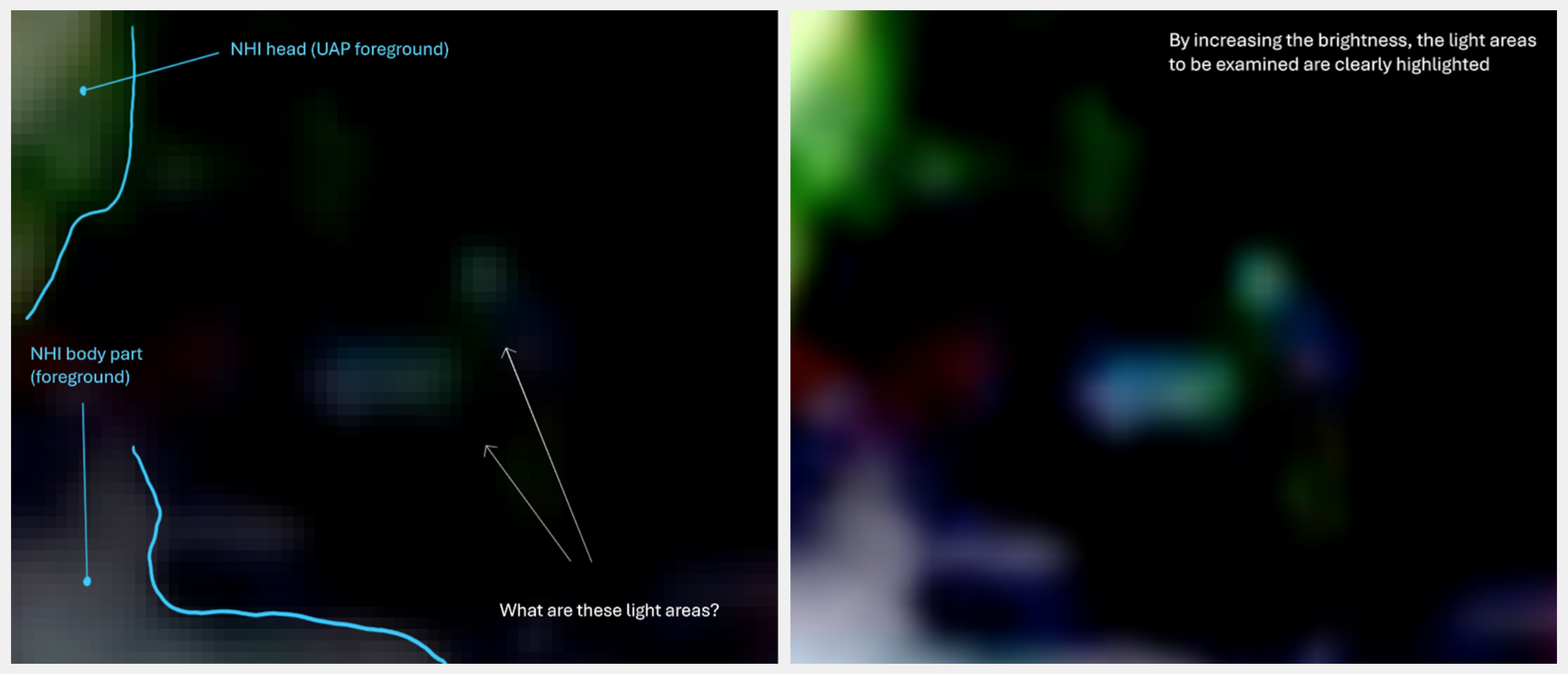
Figures 3.1 & 3.2: Initial Visual Assessment of Facial Morphology.
- Fig. 3.1 (left): Reference image with artifacts. This figure is the reference image for Figure 2.6, the ROI, displayed in Windows Photo Viewer in edit mode. Integrated image artifacts (e.g., grid lines) are visible.
- Fig. 3.2 (right): After 60% brightness adjustment. By adjusting the brightness to 60%, the first visual identification of a humanoid-like head was made. The bright areas in Fig. 3.2 are interpreted in the morphological context as ocular organs (eyes), which requires more precise delineation. Technically, it should be noted that the MD tool used here already exhibited improved image processing (reduced pixel artifacts) during saving compared to the reference image Fig. 3.1.
Reproduction parameters for Fig. 3.2: Brightness: 60%.
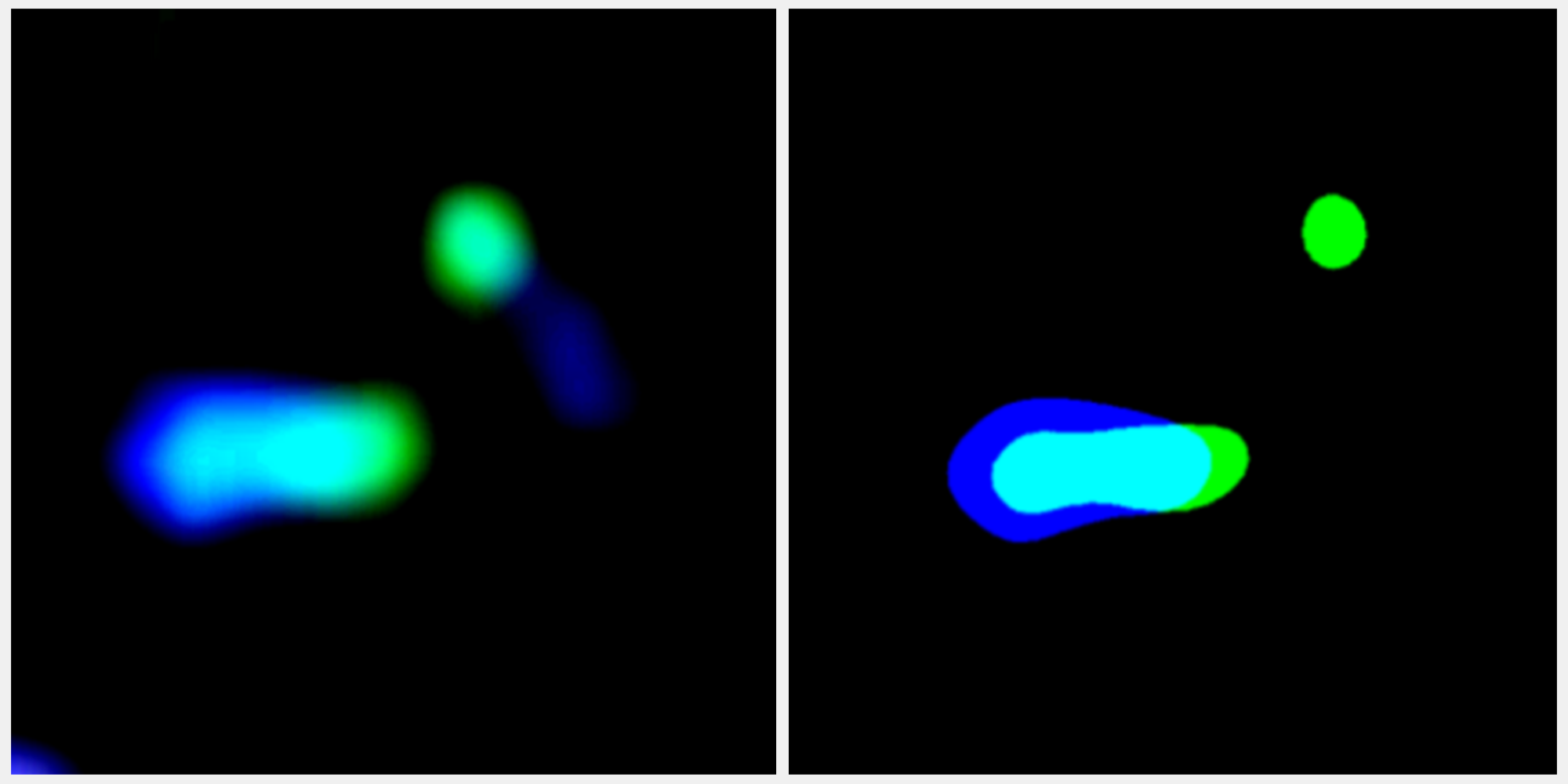
Figures 3.3 & 3.4: Visual Evidence of the Inherent Luminescence of Ocular Structures.
For orientation: Figure 3.3 is on the left and Figure 3.4 is on the right.
These figures illustrate the obviously inherent luminosity (luminescence) of the eye structures using adjusted reproduction parameters. In the comparison of both representations, the shape of the right eye analog appears indistinct in Figure 3.4 because it forms a color-homogeneous area with the surrounding reflections; in Figure 3.3, however, it is clearly recognizable. It must be noted that the authentic size of the right eye analog in Figure 3.3 is not exactly, but only approximately represented. Nevertheless, it becomes clear that the inherent luminescence visually differs from the secondary reflections.
Although the resulting reflections are predominantly caused by this active luminescence, the light source of the bright UAP foreground also contributes significantly to their formation. This distinction is supported by the object’s positioning, as the right eye is oriented more strongly toward the UAP foreground, while the object’s head appears partially averted.
Reproduction parameters
Fig. 3.3: Brightness: 77%, Contrast: 65%, Saturation: 40%, Sharpness: - 35%.
Fig. 3.4: Brightness: 75%, Contrast: 100%, Sharpness: - 30%.
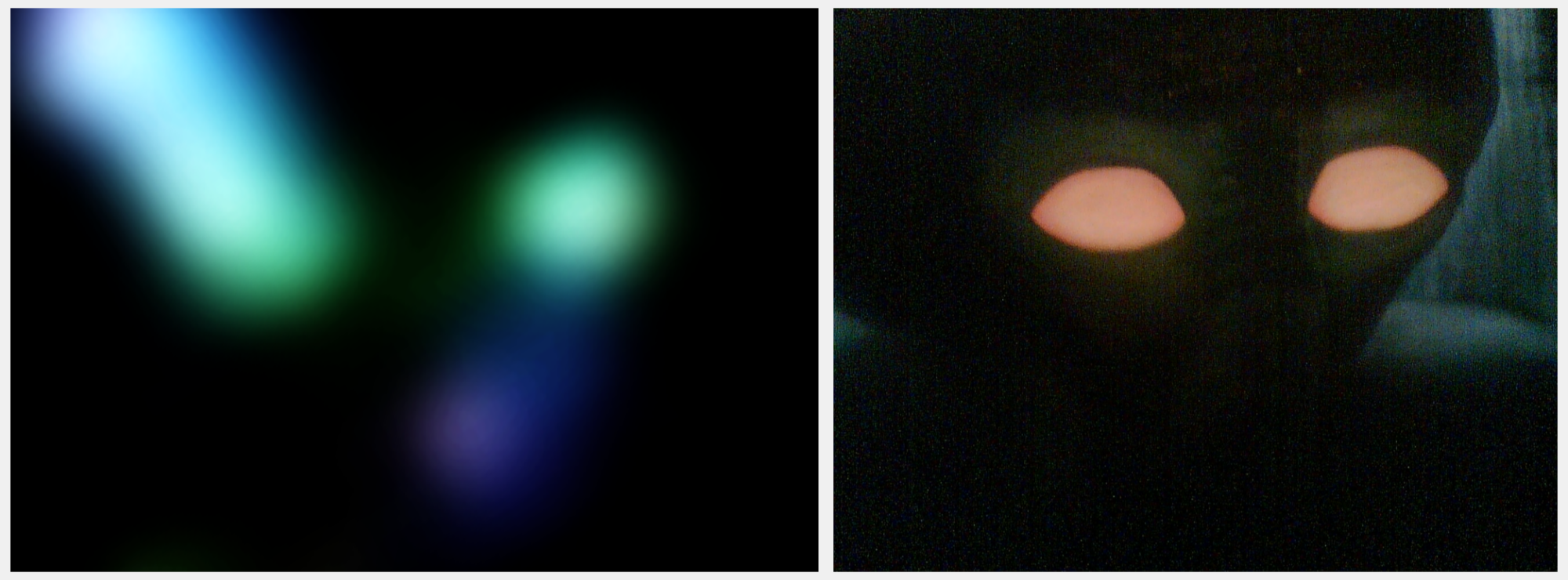
Figures 3.5 & 3.6: Methodological Presentation and Contextual Comparison.
Figure 3.5 (left), which was rotated by 58° for a horizontal orientation for the analysis, again emphasizes the intrinsic luminosity of the eyes through the reproduction parameters used and confirms their almond shape despite the structural blurring. Figure 3.5 shows further structures that will be discussed in the following sections.
Contextual comparison with a memory image of the author (Fig. 3.6, right): The morphology of the NHI in still image 7 (Fig. 3.5) is compared with a personal memory image (Fig. 3.6, an oil painting of an encounter from 1987). The author assumes that both entities are of the same typus.
- Morphological correspondence: The dark skin tone (as an analog), which became visible during the 1987 encounter due to the actively luminous eyes, is apparently identical to the entity in still image 7. The eyes are apparently identical and appear more almond-shaped in the relevant image area than in the memory image.
- Non-identical features (hypothesis): Two striking features observed during the 1987 encounter and depicted in the oil painting are missing in still image 7: A blue-white, transparent-looking aura around the entire entity, as well as a kind of mask/breathing apparatus. The latter could indicate that this type of NHI requires the mask outside of its UAP.
- Size estimation: The entity in still image 7 (background) appears smaller than the NHIs in the foreground of the UAP. Based on a sitting posture (estimated distance of 0.7 to 1 meter to the figures in the foreground), its height when standing could be approximately 1.5 to 1.65 meters, which would correspond to the author's memory.
Reproduction parameters for Figure 3.5: Brightness 84%, Contrast 31%, Saturation -47%, Sharpness -26%.
First Visual Evidence: Identification of Pupils and Limbus as a Prerequisite for Subsequent Metric Analysis
The results of the exploratory visual analysis were obtained by processing the MD tool using a proprietary algorithm. Despite this proprietary basis, the exploratory visual analysis enabled the identification of morphological structures in the 14 images. Eye contours, pupil analogs, and limbus analogs were identified. Only through this clear visual evidence did the overarching structure of a humanoid-like face become concretized. These identifications serve as the visual premise for the subsequent metric analysis (see reference to the study, top of page).
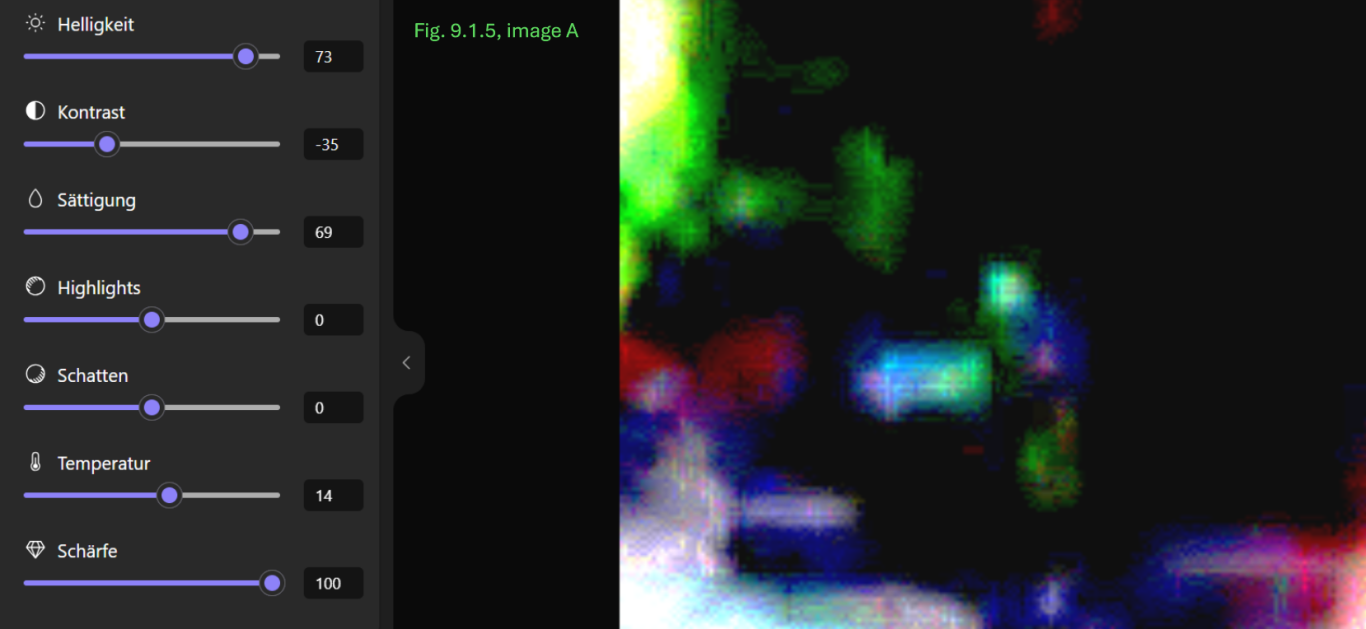
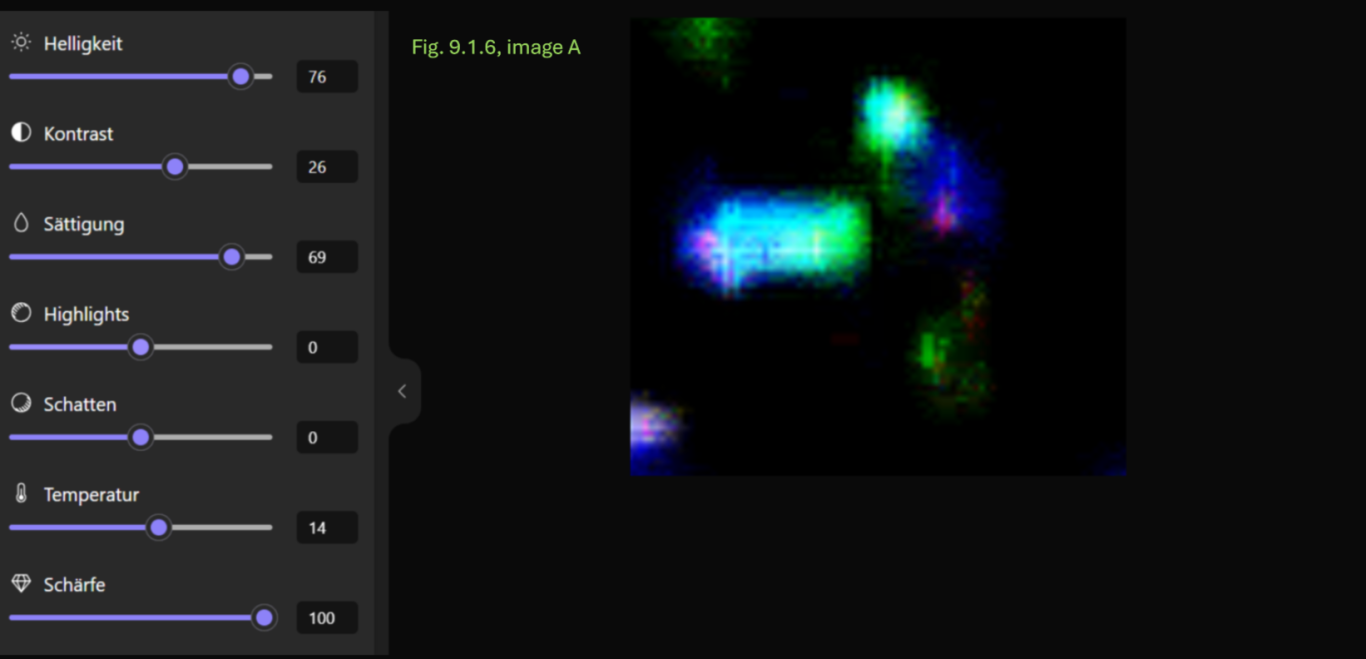
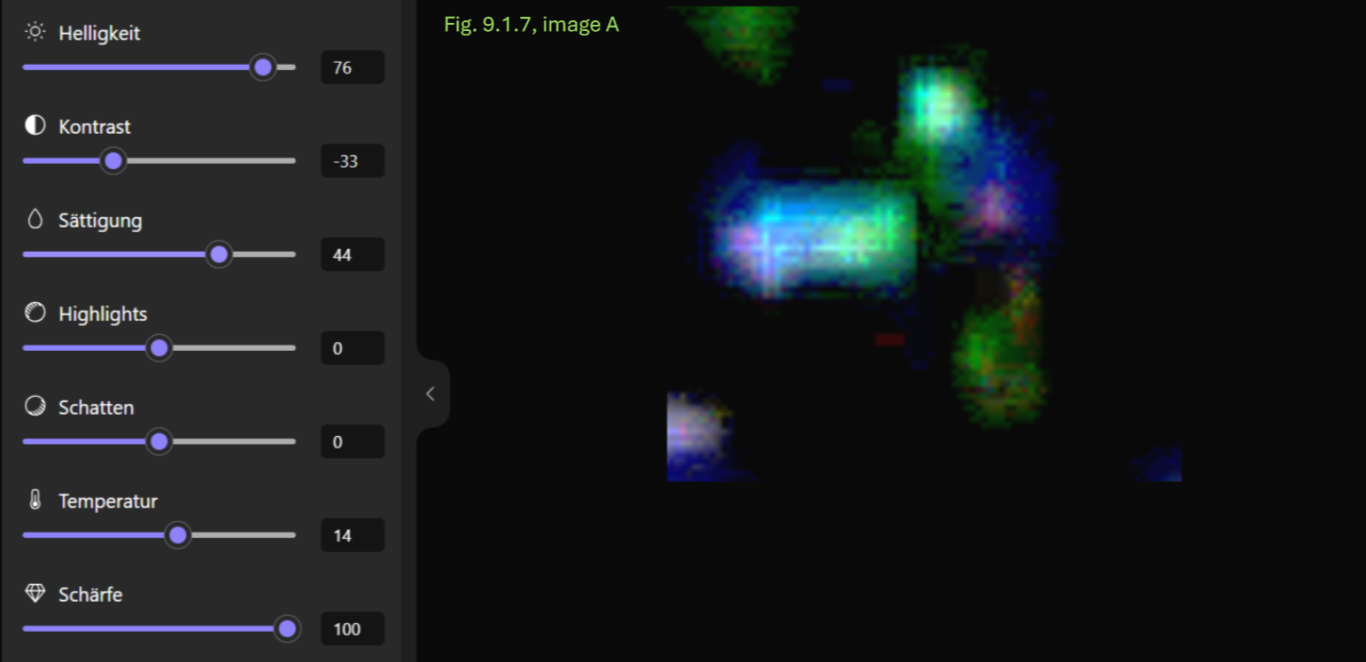
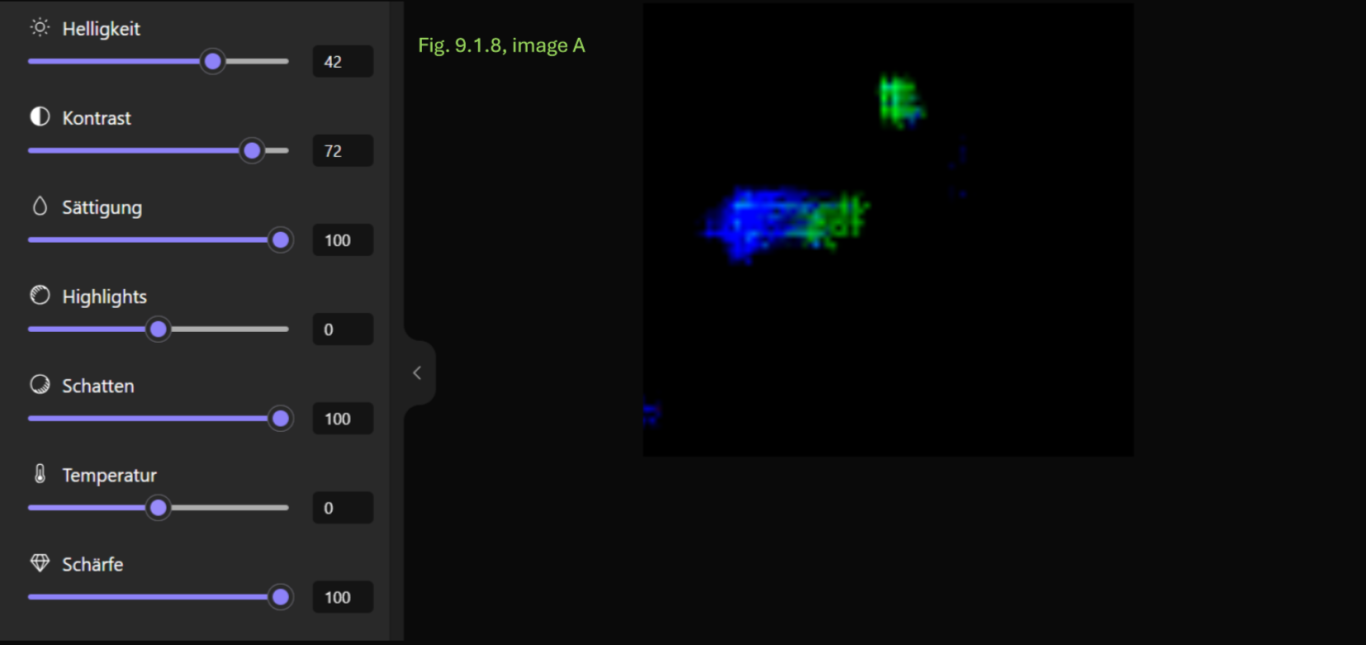
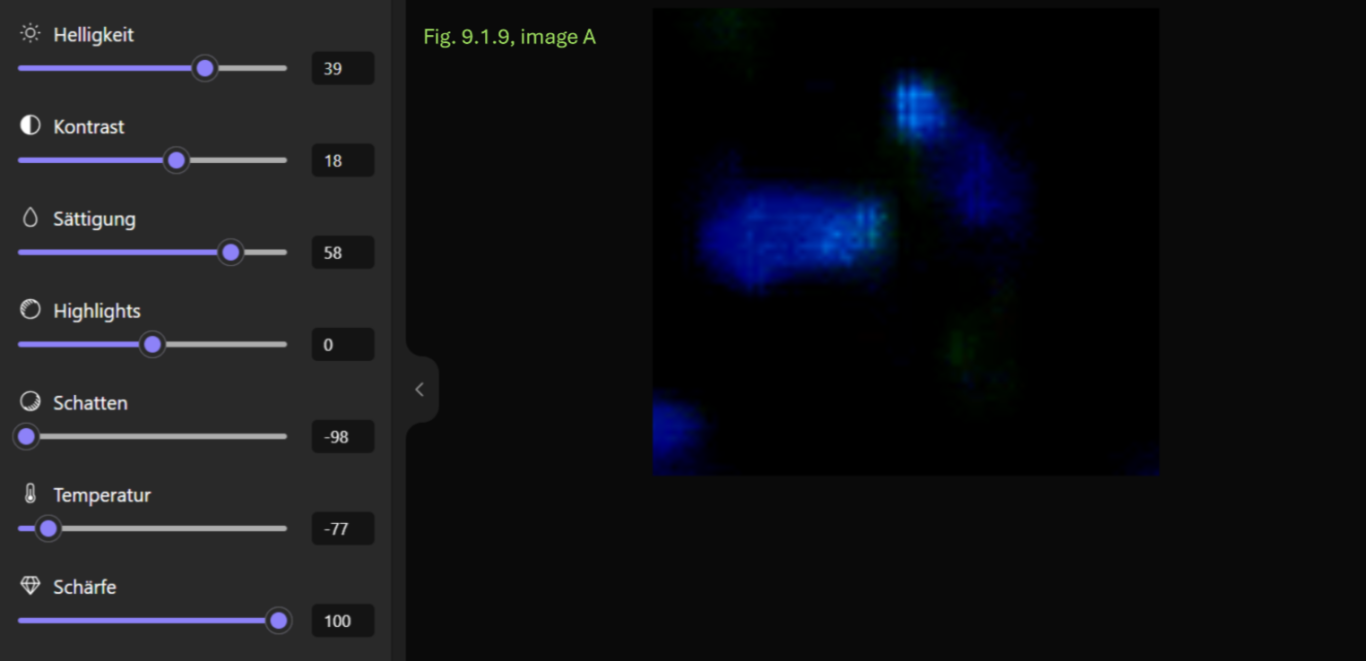
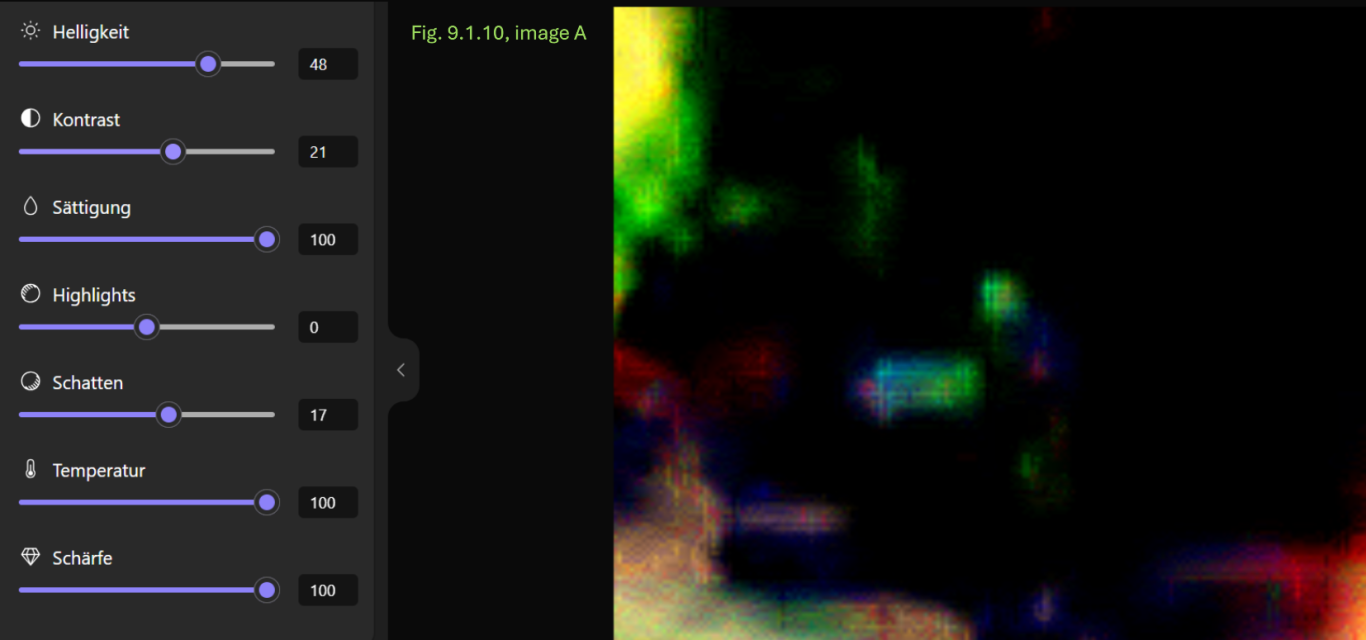
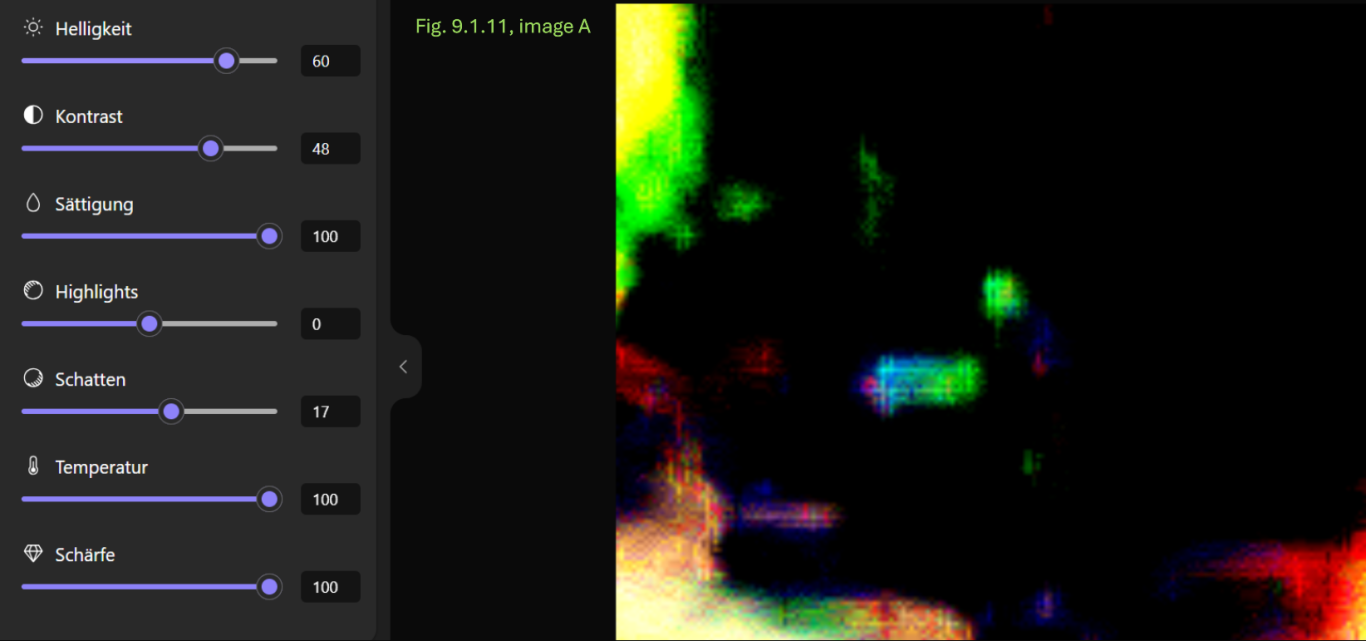
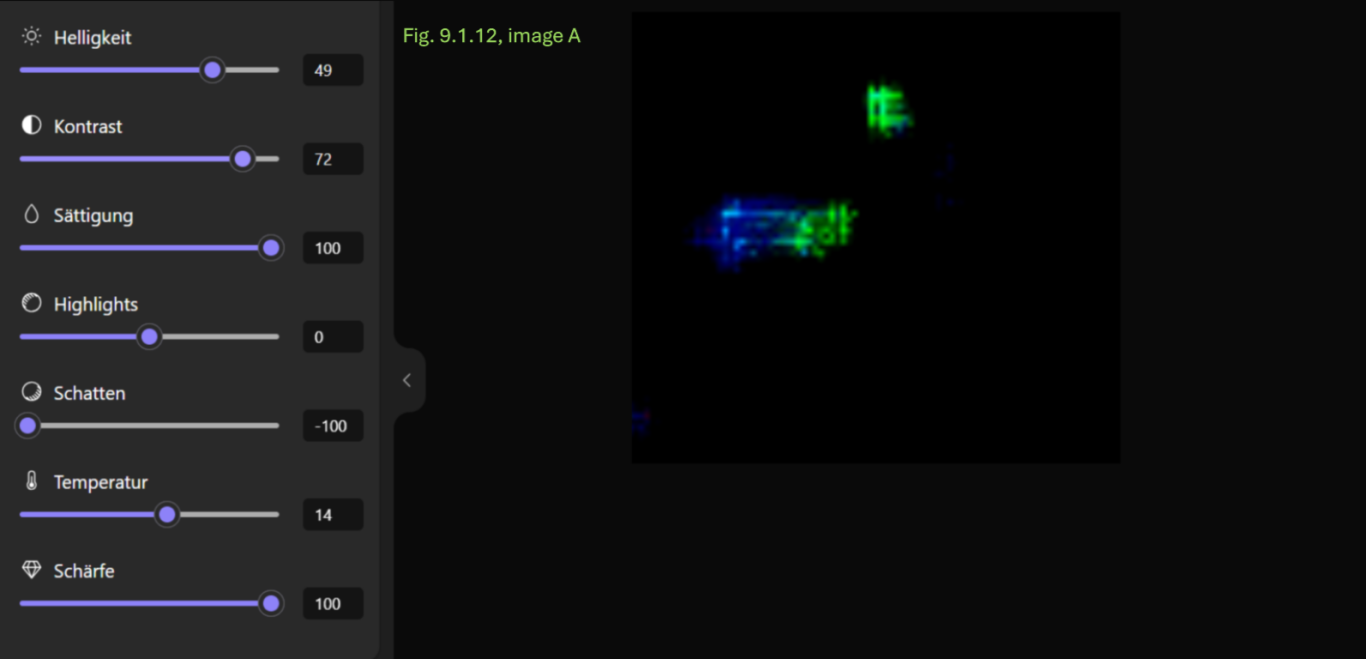
Gallery 1 — Morphological Ocular Structures (Series A).
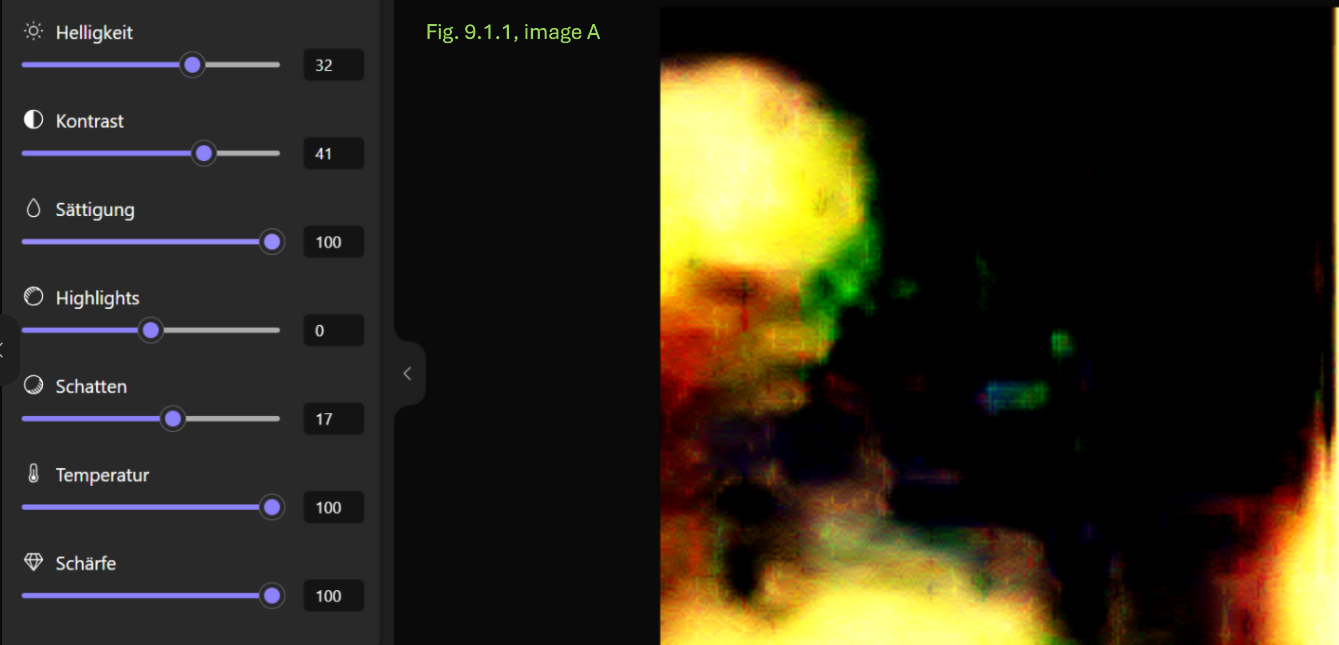
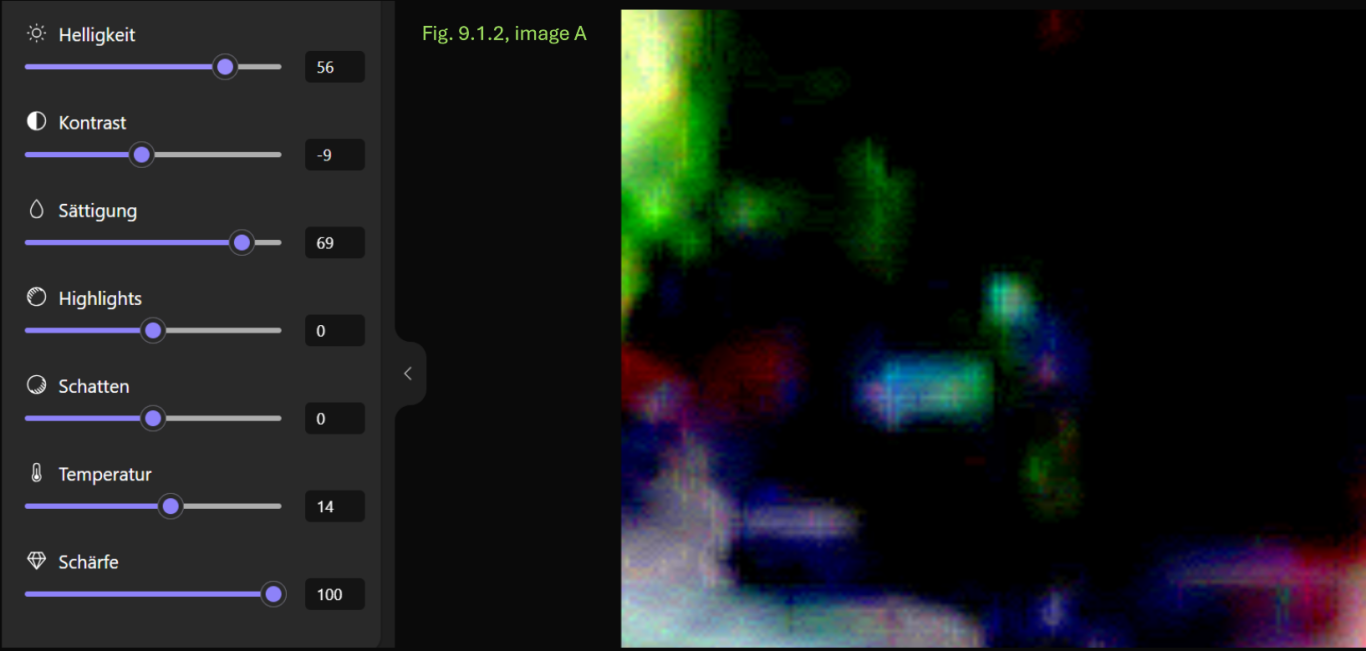
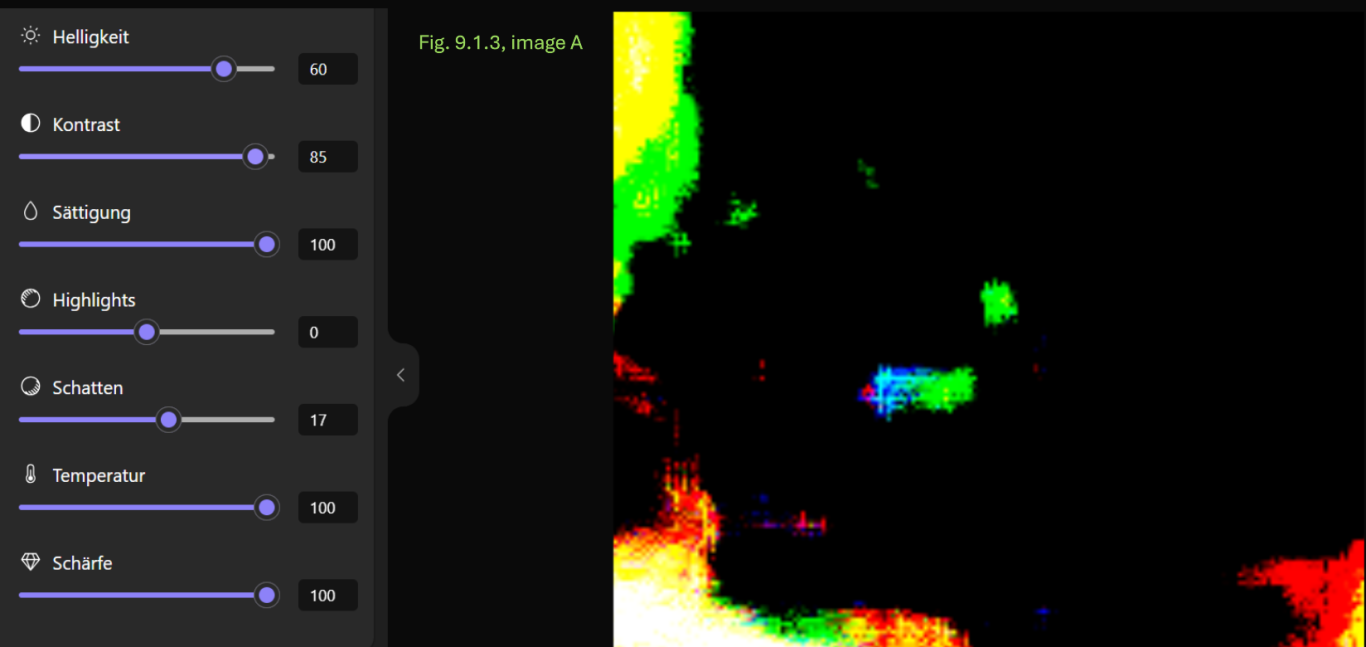
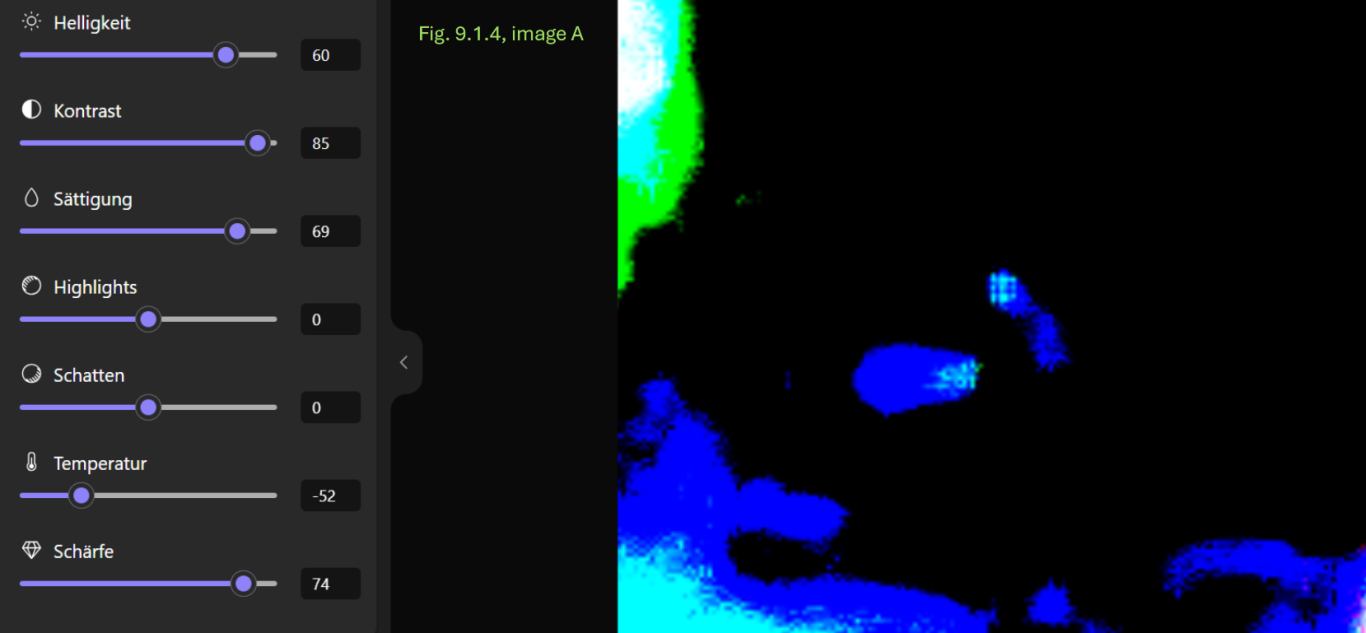
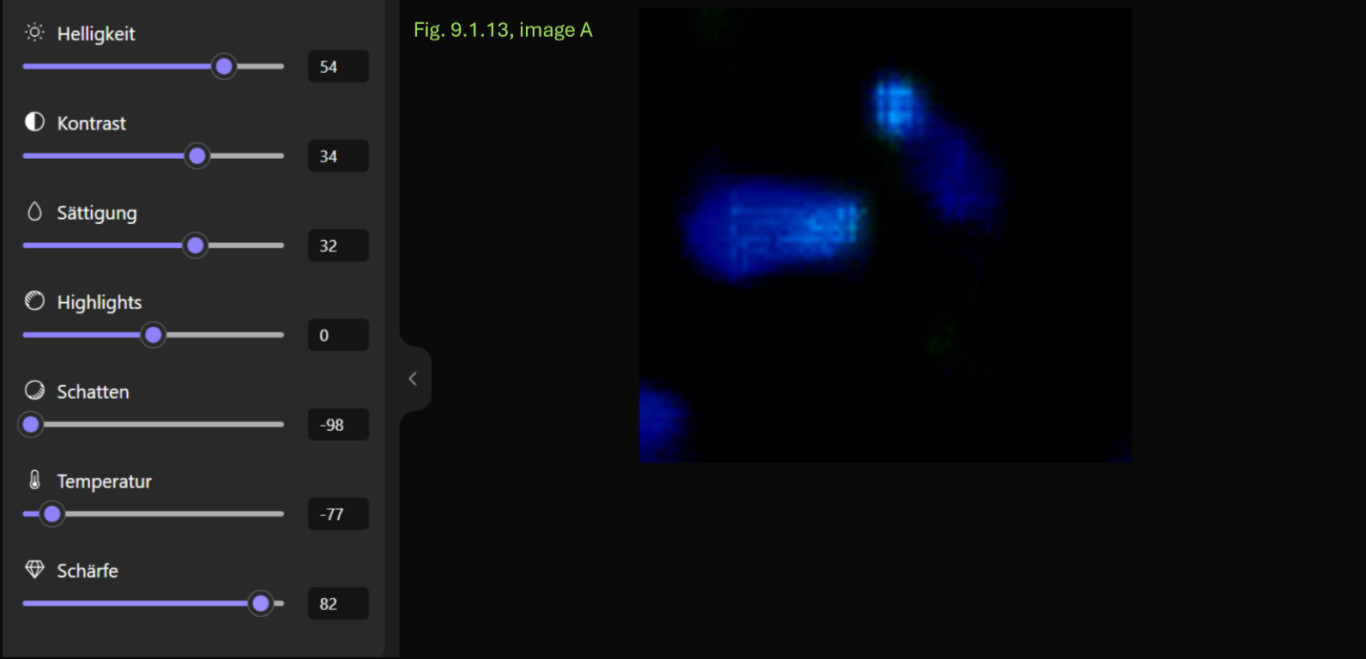
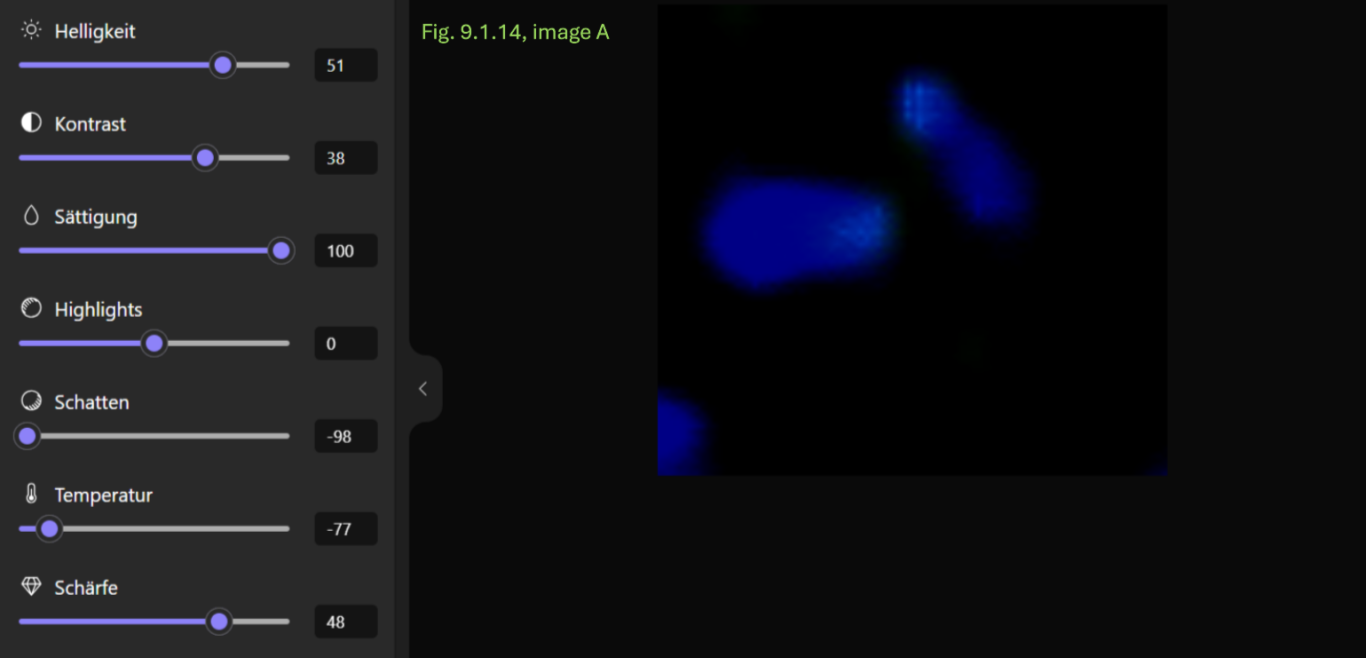
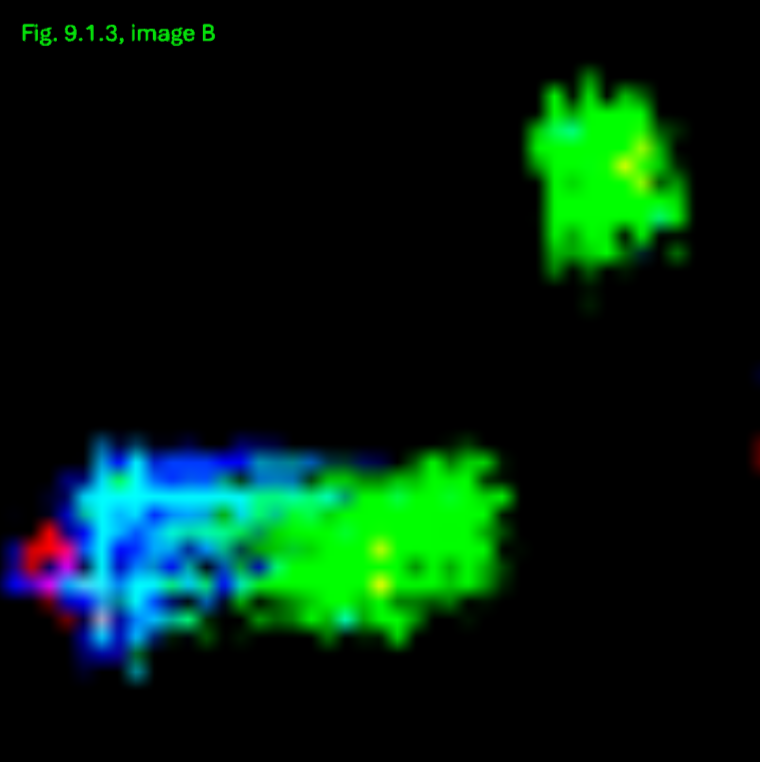
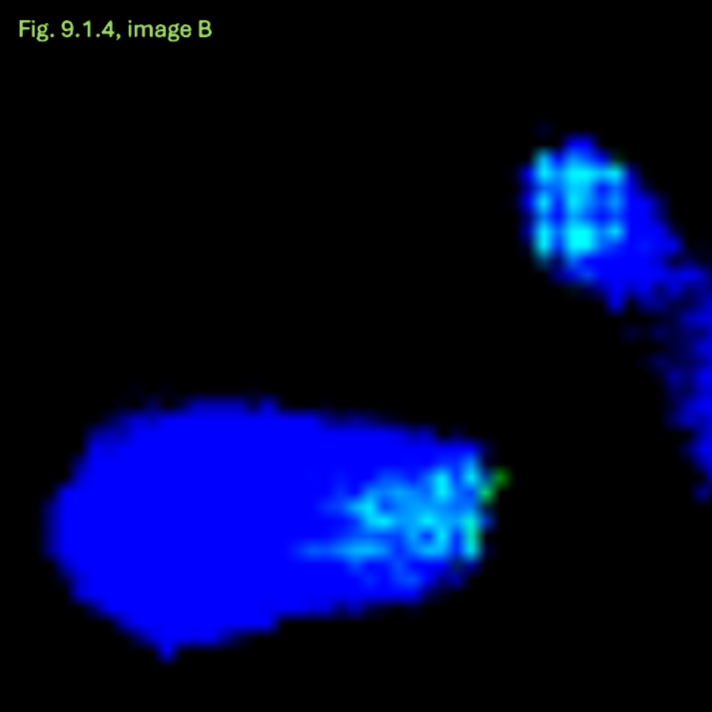
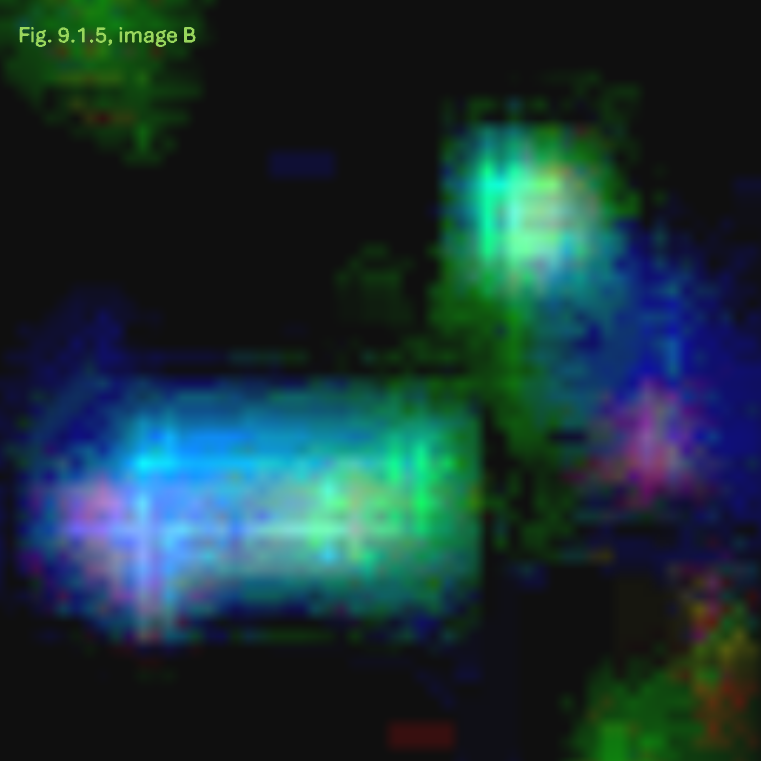
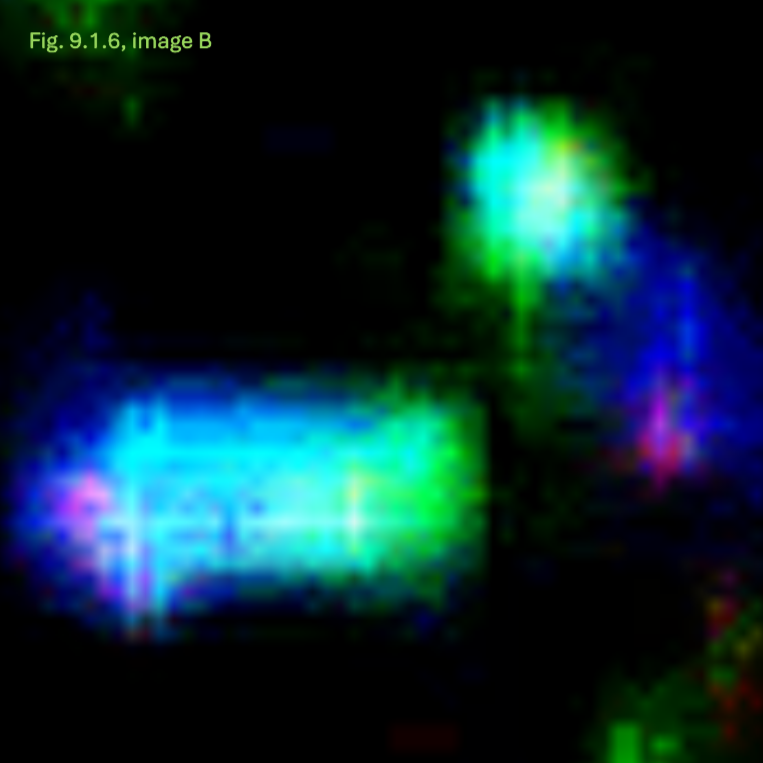
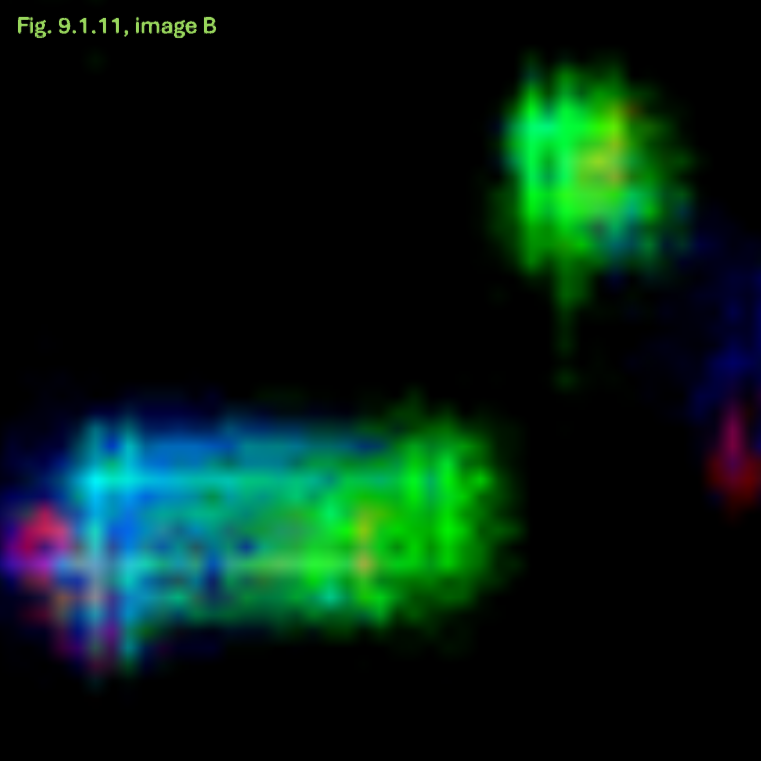
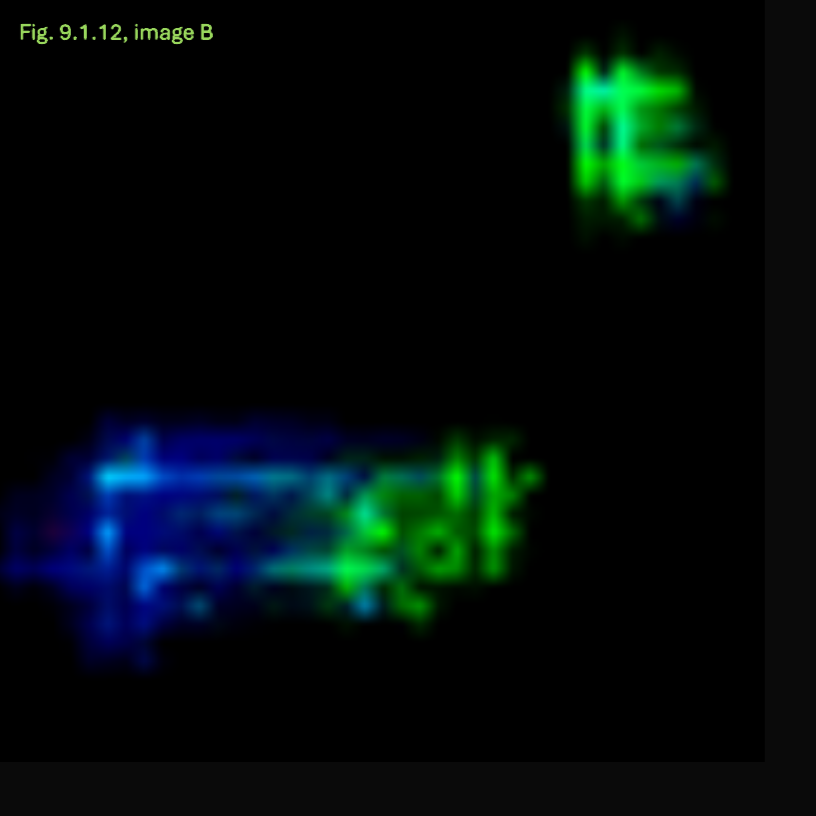
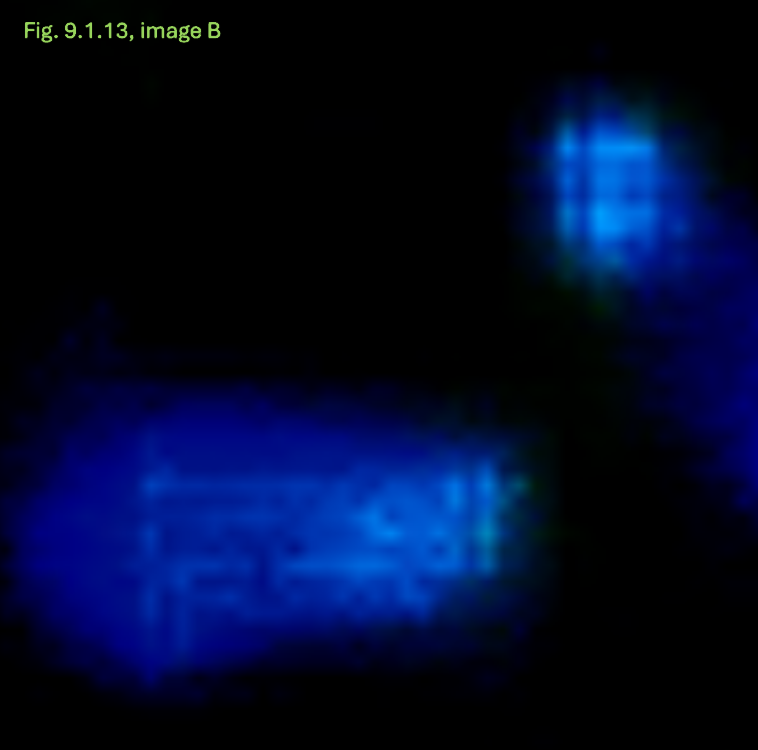
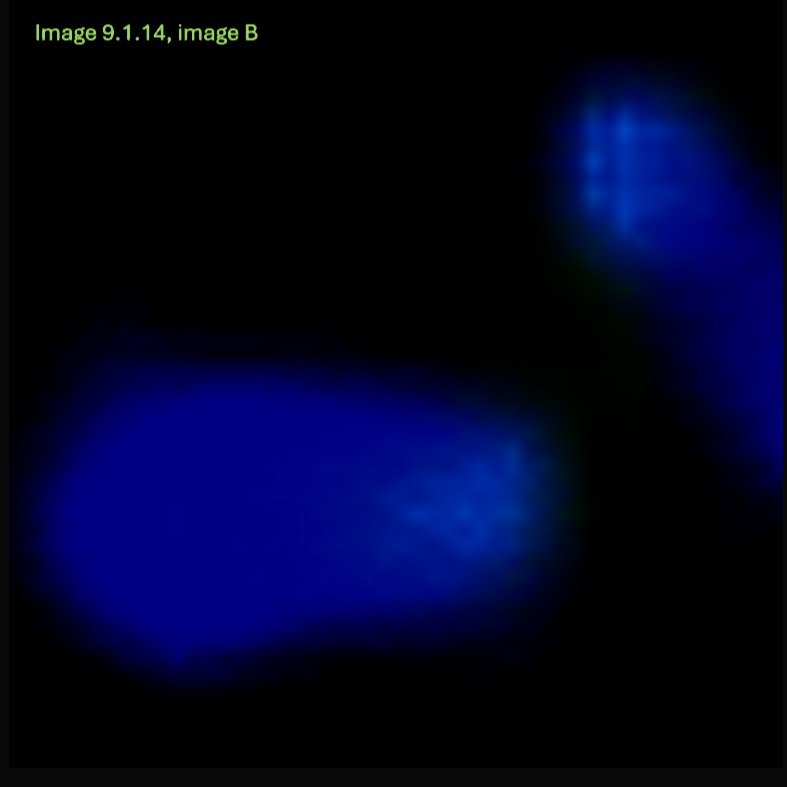
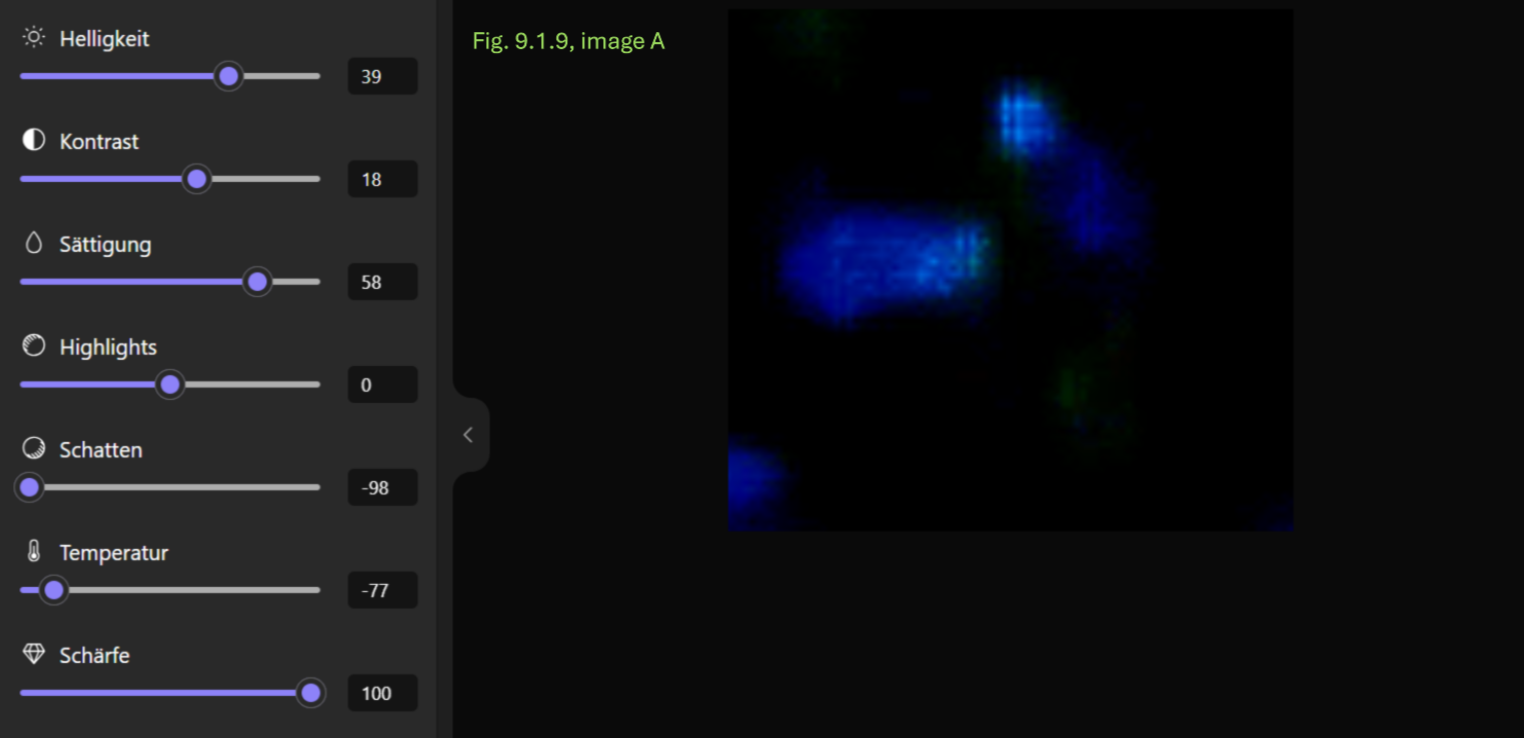
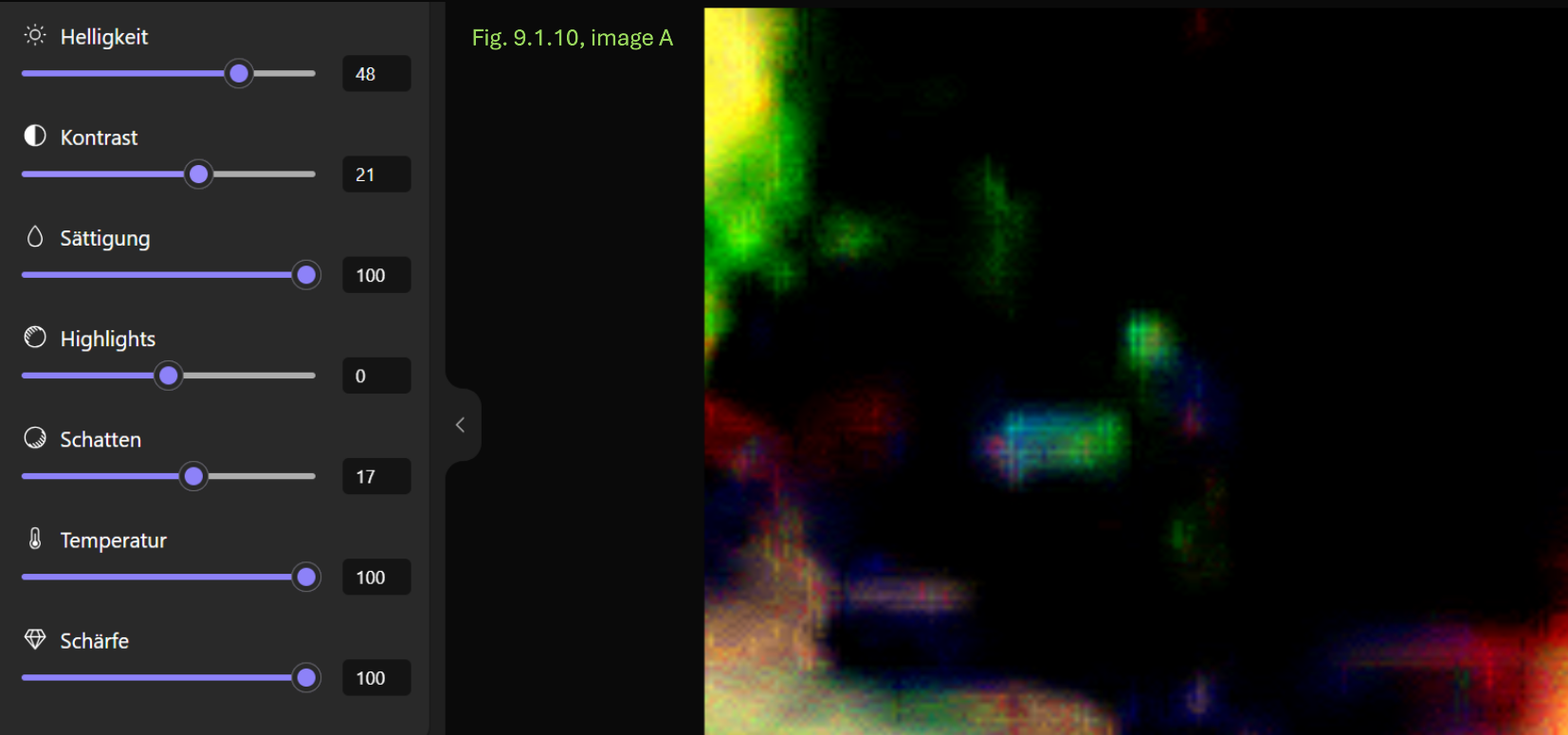
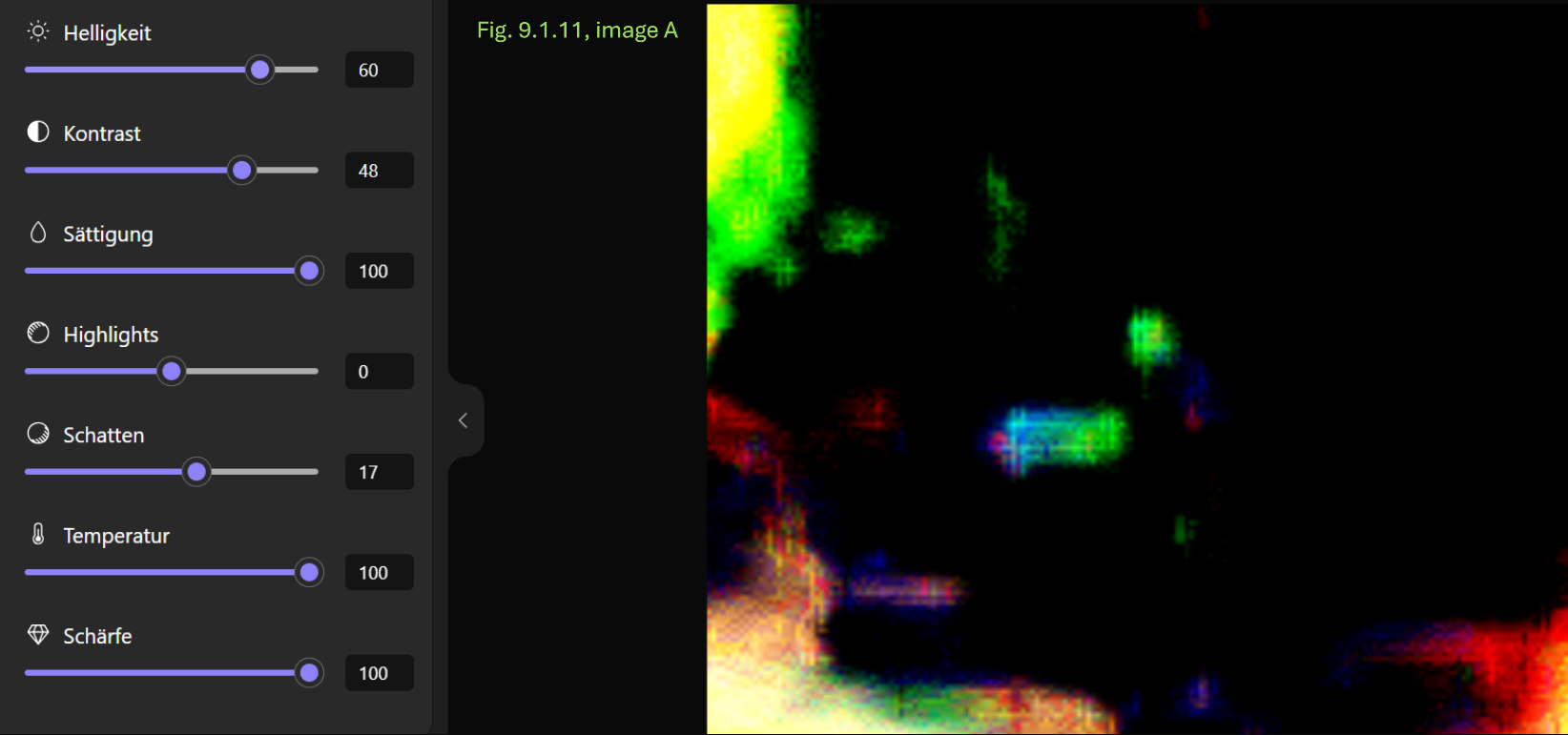
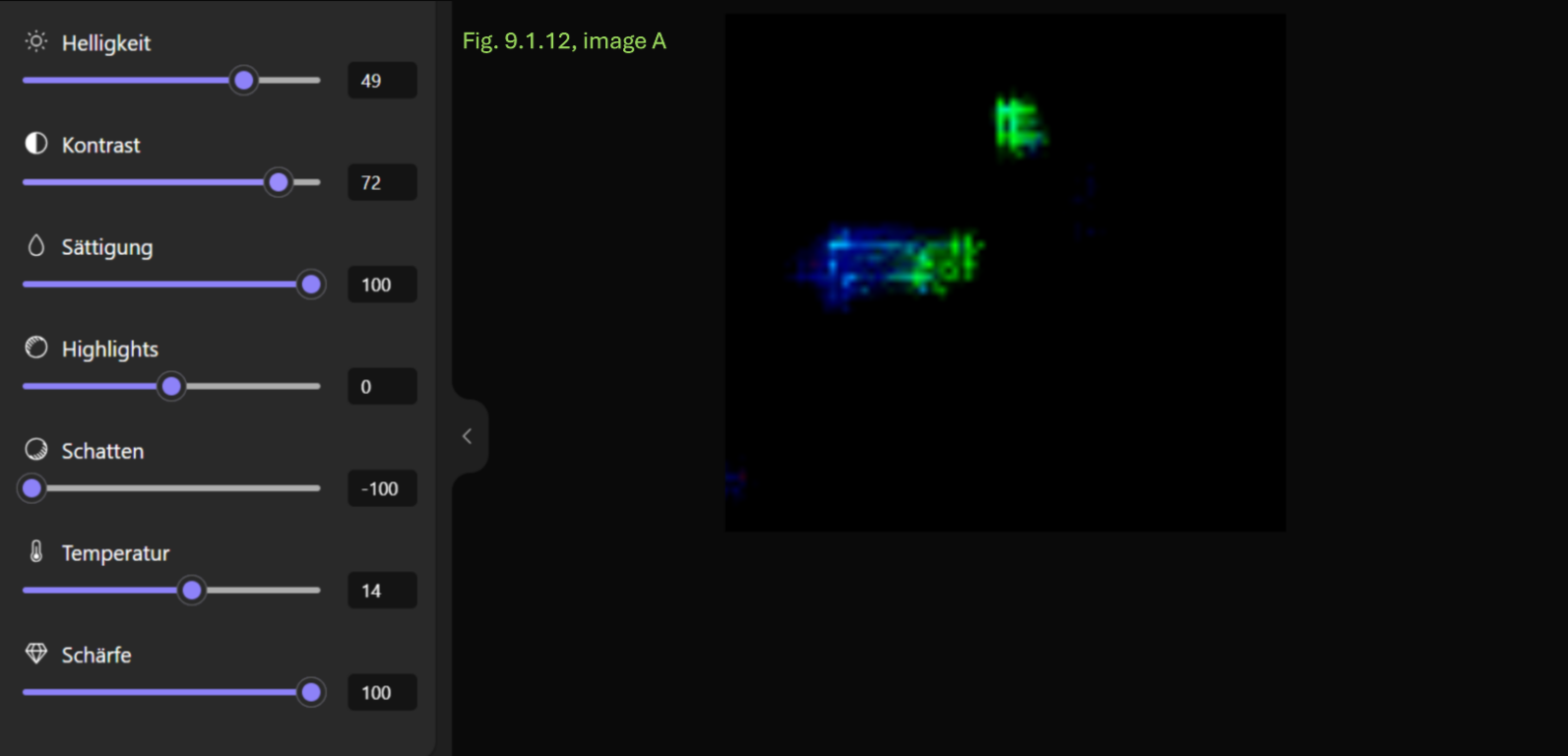
This series of these images (Figs. 9.1.1-9.1.14, series A) presents fascinating details that were made visible through the exploratory combination of different reproduction parameters (random combination). Morphological structures were identified that were previously obscured by the inherent luminescence of the ocular analogs. These newly revealed details strongly suggest the presence of pupils surrounded by a limbal ring (or limbal ring shadow) within the ocular analogs.
The results of the visual analysis were obtained by processing the MD tool using a proprietary algorithm. Despite this proprietary basis, the aforementioned morphological structures were identified in the 14 images. The uncertainty surrounding the unknown MD algorithm was precisely the impetus for the subsequent metric study (see top of page), the aim of which was to quantitatively verify the specific result of the identified morphology and to ensure its reproducibility.
Therefore, regarding the visual findings presented here, it should be noted that the specific reproduction parameters can be found in the respective images. It is important to understand that, due to the unknown algorithm, these parameters do not guarantee a reproducible result if the process is repeated.
Note: The captions of these figures (Figs. 9.1.1–9.1.14) have been retained unchanged, as they were used directly for the underlying study and were therefore carried over despite the website update.
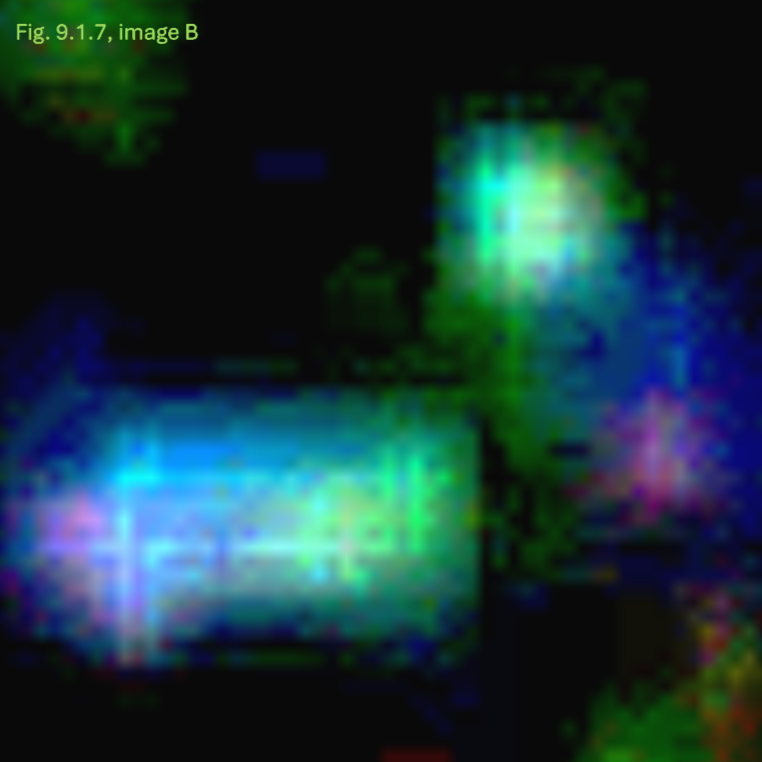
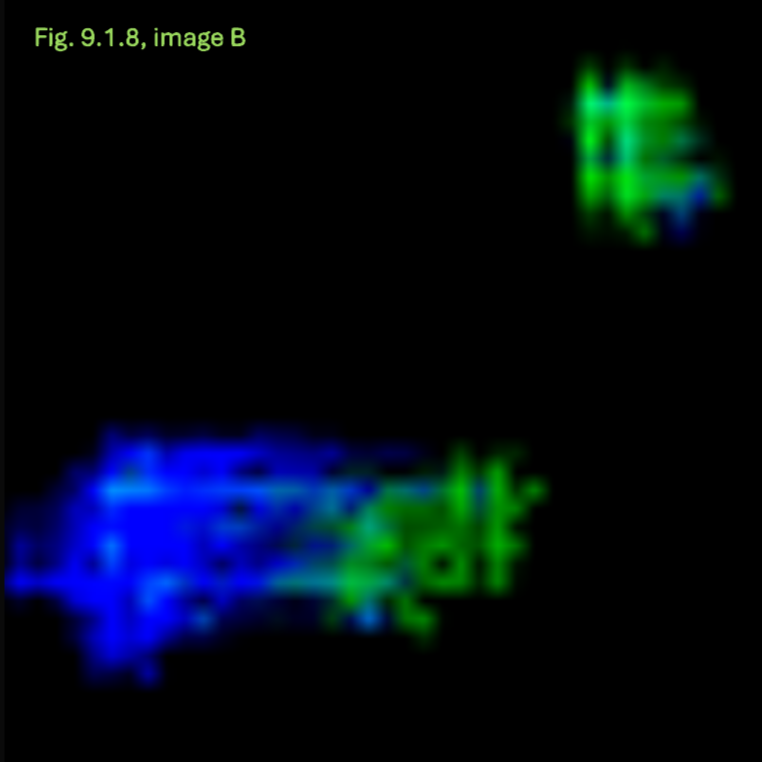
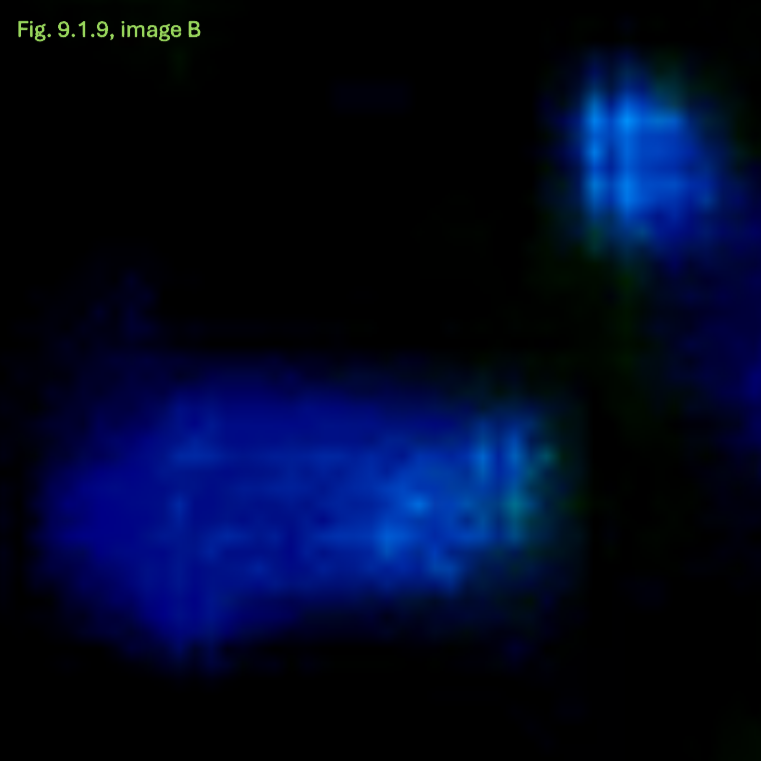
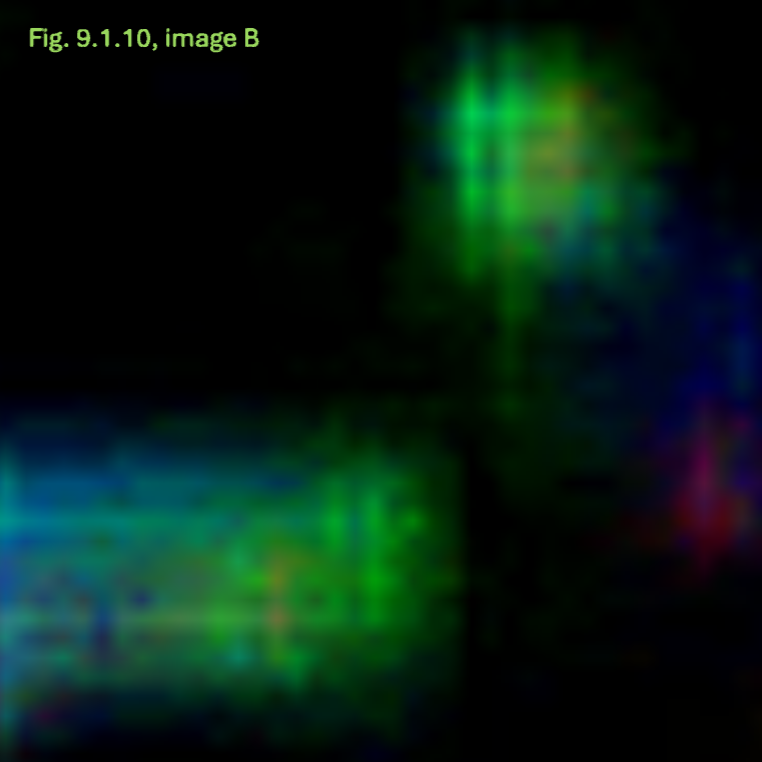
Gallery 2 — Morphological Ocular Structures (Series B).
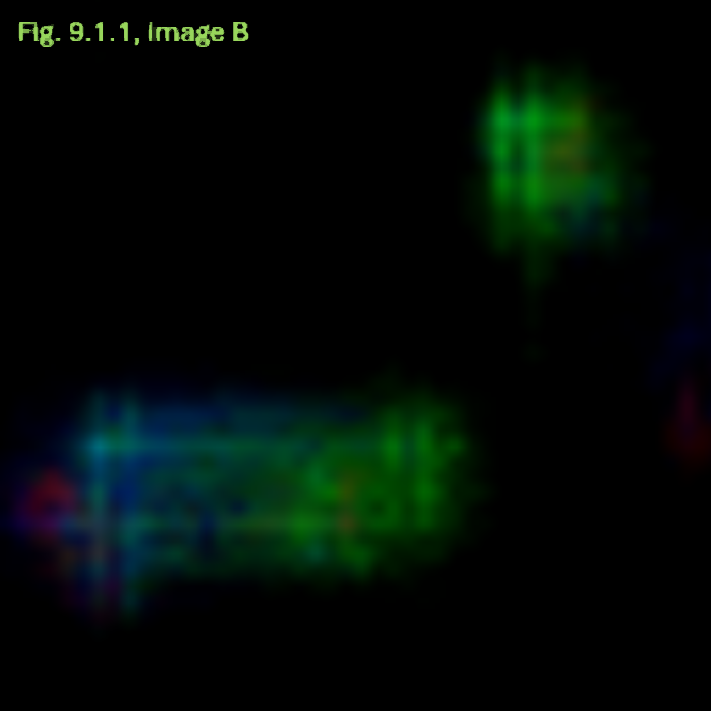
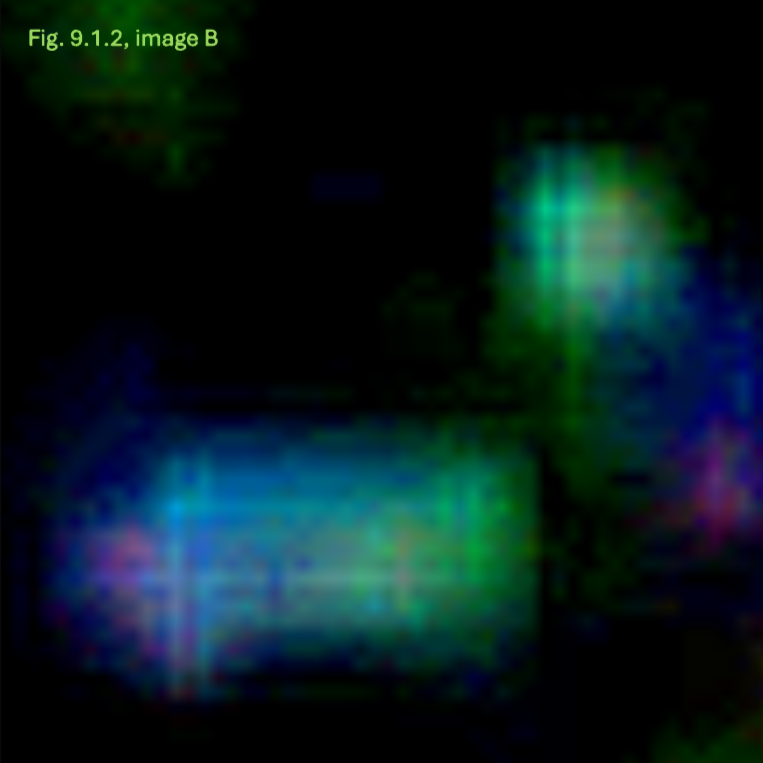
Gallery 2 (Series B) presents excerpts and enlargements of the images from the preceding gallery (Figs. 9.1.1–9.1.14, Series A). Although the identification of a pupil in the left eye analog was initially ambiguous, the enlargement visually confirms that these are indeed pupil analogs in both the right and left ocular analogs. It is also visually apparent that these structures exhibit positional constancy and a geometric coupling.
Note: the captions for the illustrations (Figs. 9.1.1–9.1.14) have been retained unchanged, as they were used directly for the underlying study (and therefore had to be kept despite the website update).
Visual Evidence of Positional Constancy: Geometrically Coupled Pupil Analogs as the Basis for the Study's Coordinate System (Figures 9.2.1–9.2.14)
The following Gallery 3, "Positional Constancy & Geometric Coupling", comprises Figures 9.2.1 to 9.2.14 and serves as the fundamental basis for the subsequent quantitative analysis (see study reference at the top of the page). The figures represent source images B (left) and C (right), which correspond to the preceding Figures 9.1.1–9.1.14, series A & B. The basis of these figures, the ROI (see Fig. 2.6), was rotated 58° along a horizontal plane to improve the perception of the identified structures. The right-hand image (source image C) illustrates the development of a coordinate system based on referencing points using horizontal and vertical lines.
- Key Findings: Based on the positional constancy of the pupils and the visually identified uppermost points of the open upper eyelid, a coordinate system could be created in all 14 images. The subsequent metric analysis (see study, top of page) validated a positional constancy of the pupil centers of 0.01 pixels. Based on this validation, an unexpected anomaly must be assumed, as the image originates from a dynamic image space.
- Methodological Constraints: The coordinate system (vertical and horizontal lines with reference points) drawn in these figures for visualization purposes was manually created and is not the direct basis for the template underlying the metric analysis of the study. Furthermore, the measuring points for the pupil positions in this displayed coordinate system were defined differently than in the study template (the measurement was taken at the lowest and uppermost point of the respective pupil analogue).
- Further Observations: In addition to the identified pupils, other apparent pupils (diffusely distributed) are visible throughout the entire ROI, which can be classified as image artifacts (presumably caused by movement). A structure above the right eye (left in the image, partially marked) could be an upper eyelid fold. (See reference to the study, top of the page).
Notes on Terminology and Figure Labels
- The designation "Iris" in some of the labeled C-images was not replaced by the updated terminology "limbus/limbal ring (shadow)." Readers are requested to take this discrepancy into account.
- The labels for the figures (Fig. 9.2.1–9.2.14) were adopted because they were used directly for the underlying study.
The following Gallerry contains the Figures 9.2.1 - 9.2.14: Demasking of the Pupils with Varying Parameters & First Coordinate System.
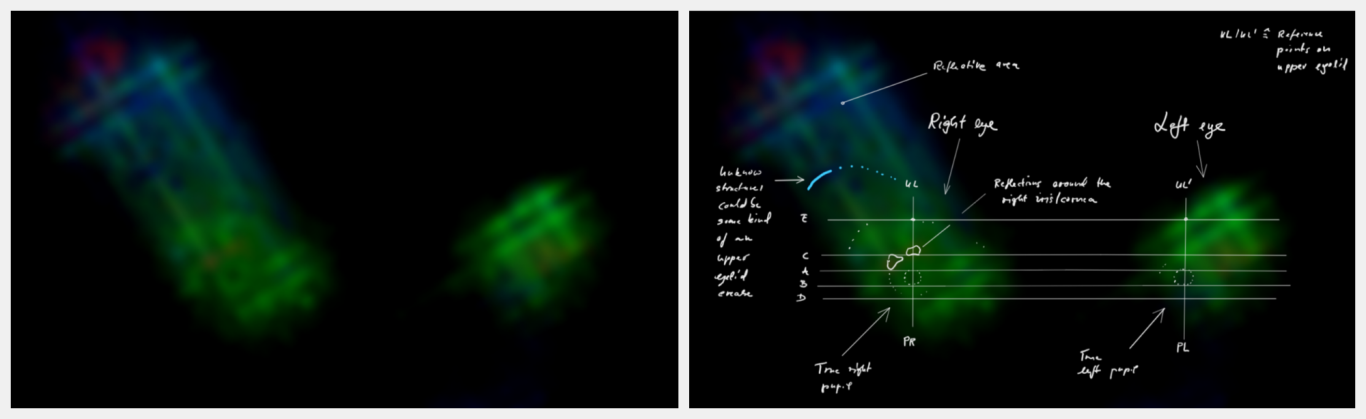
Figure 9.2.1
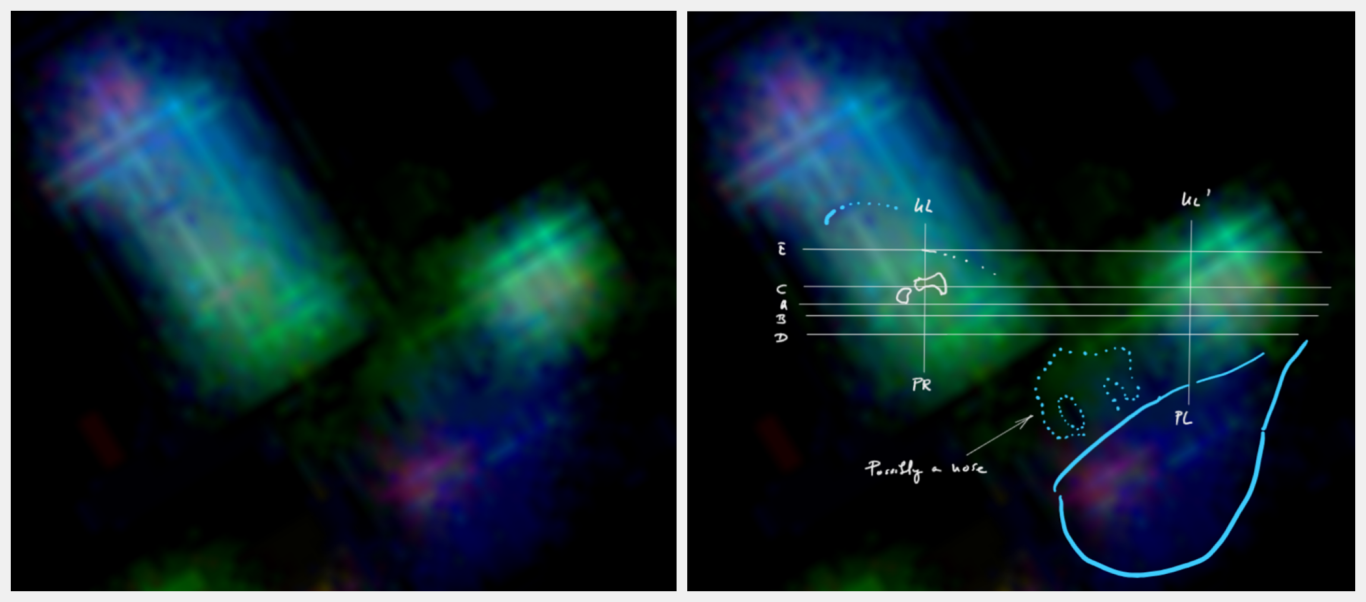
Figure 9.2.2
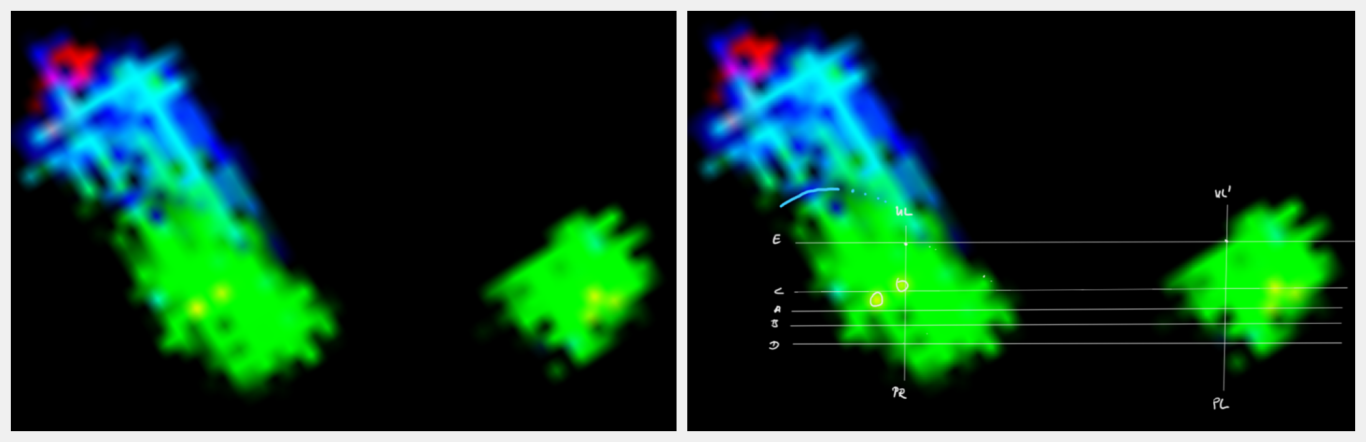
Figure 9.2.3
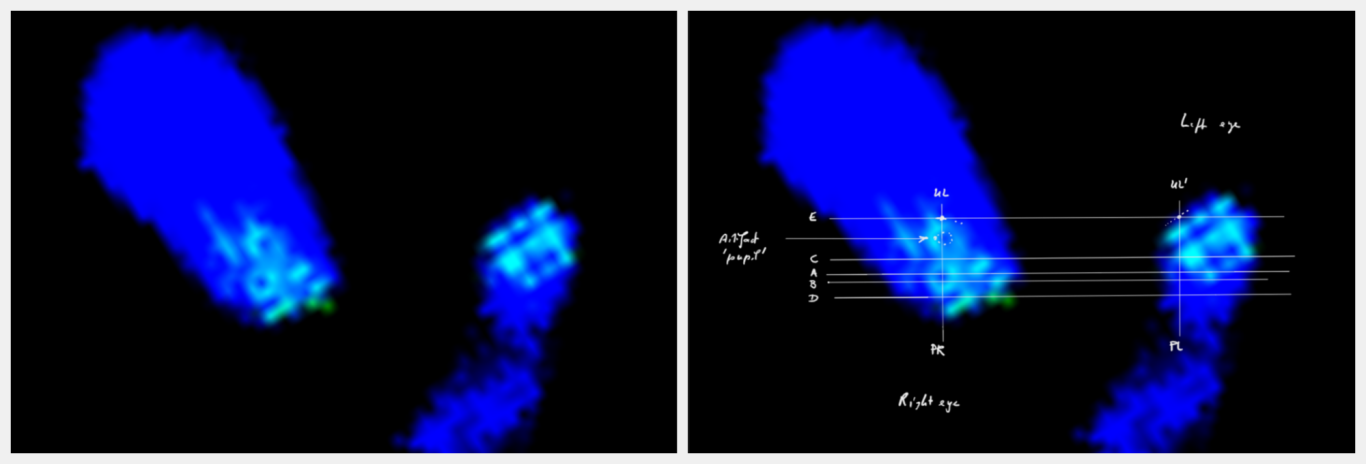
Figure 9.2.4
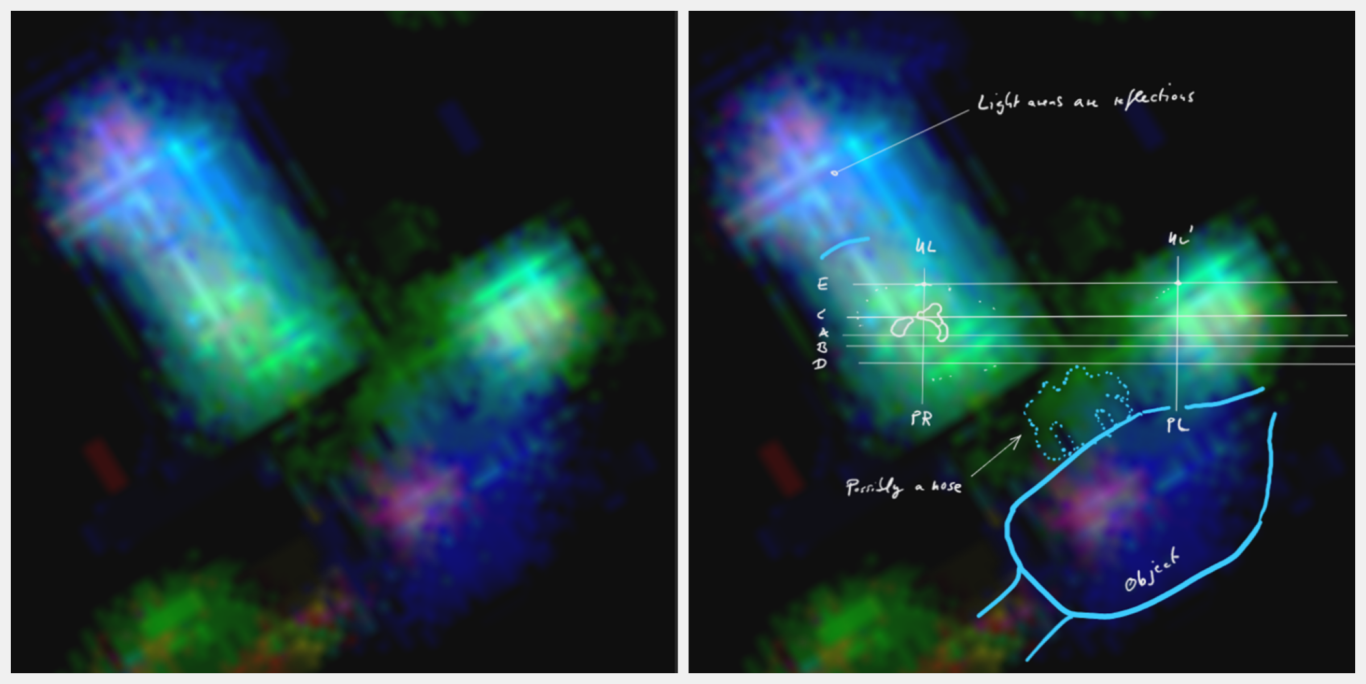
Figure 9.2.5
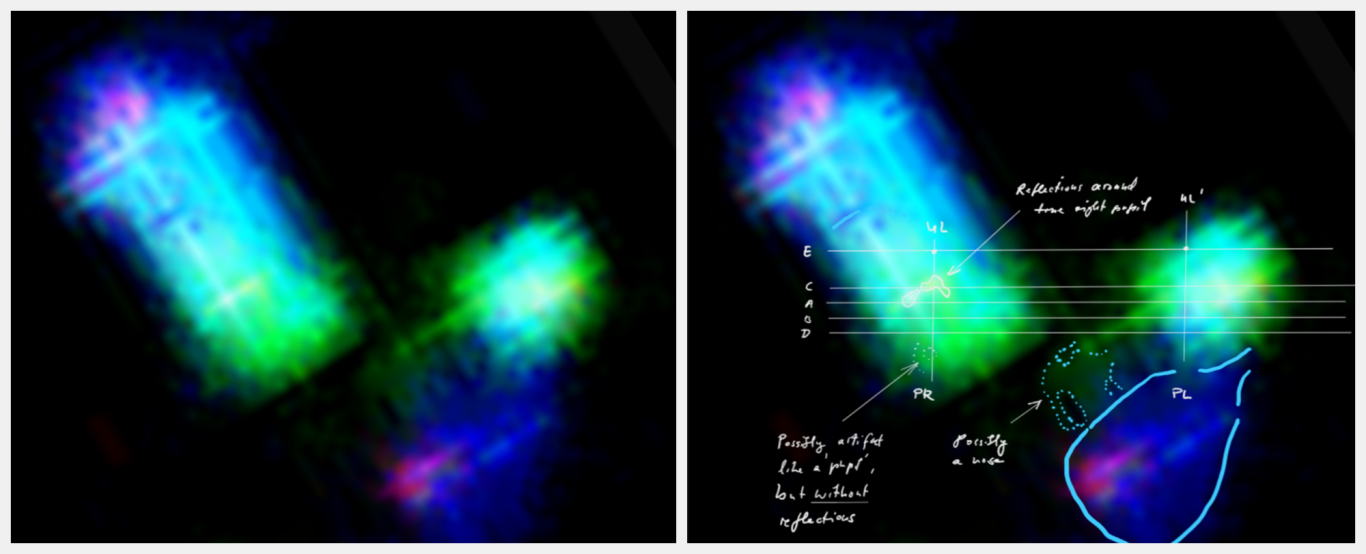
Figure 9.2.6
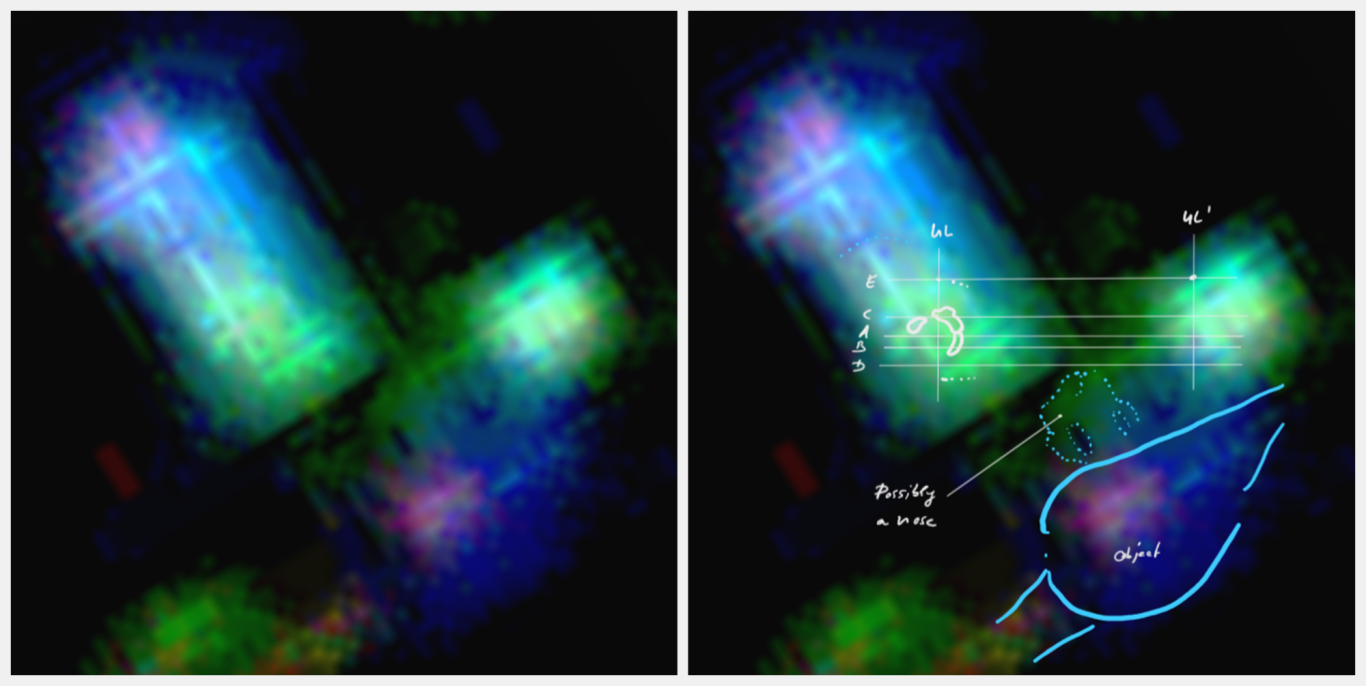
Figure 9.2.7
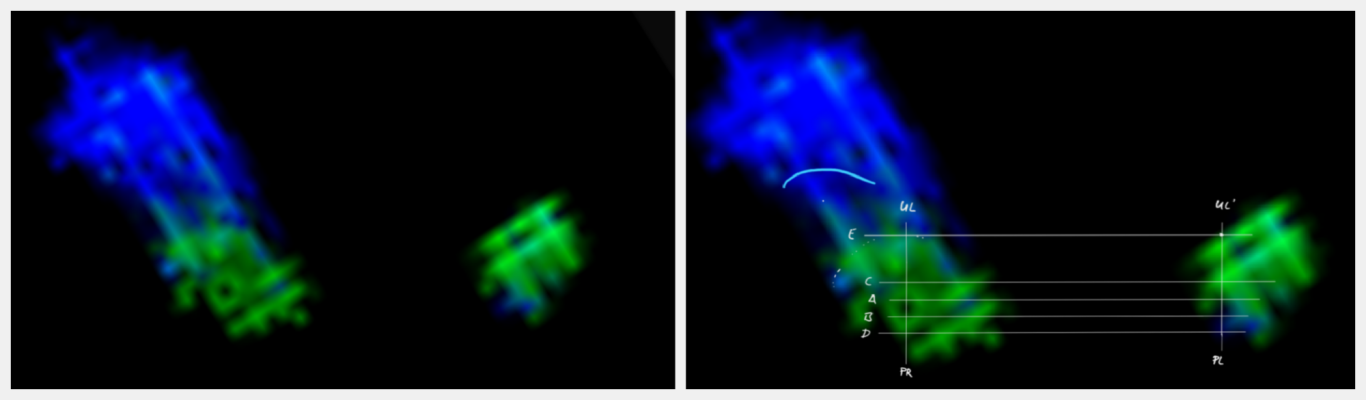
Figure 9.2.8
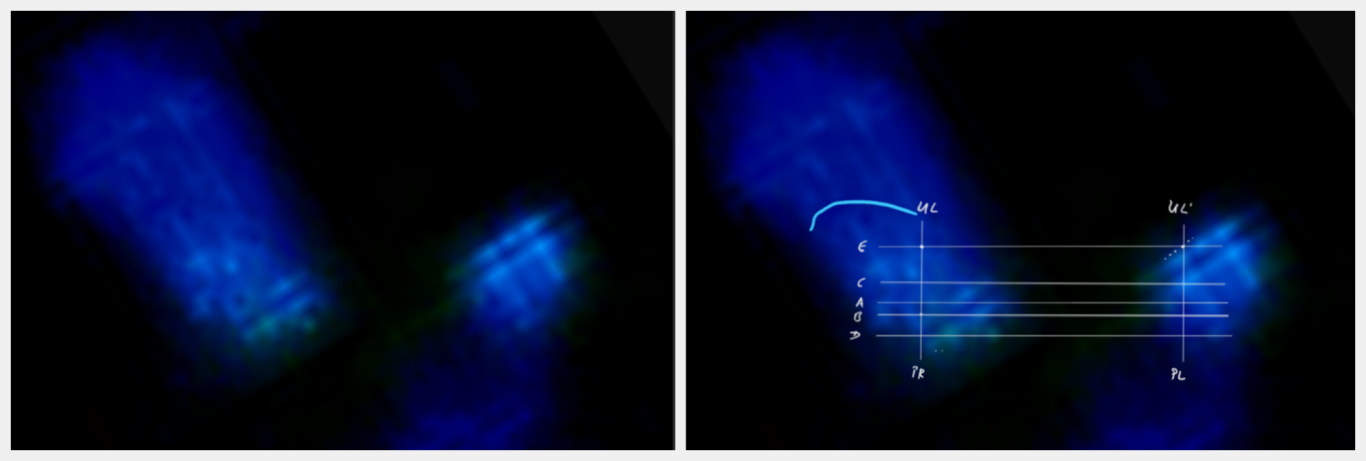
Figure 9.2.9
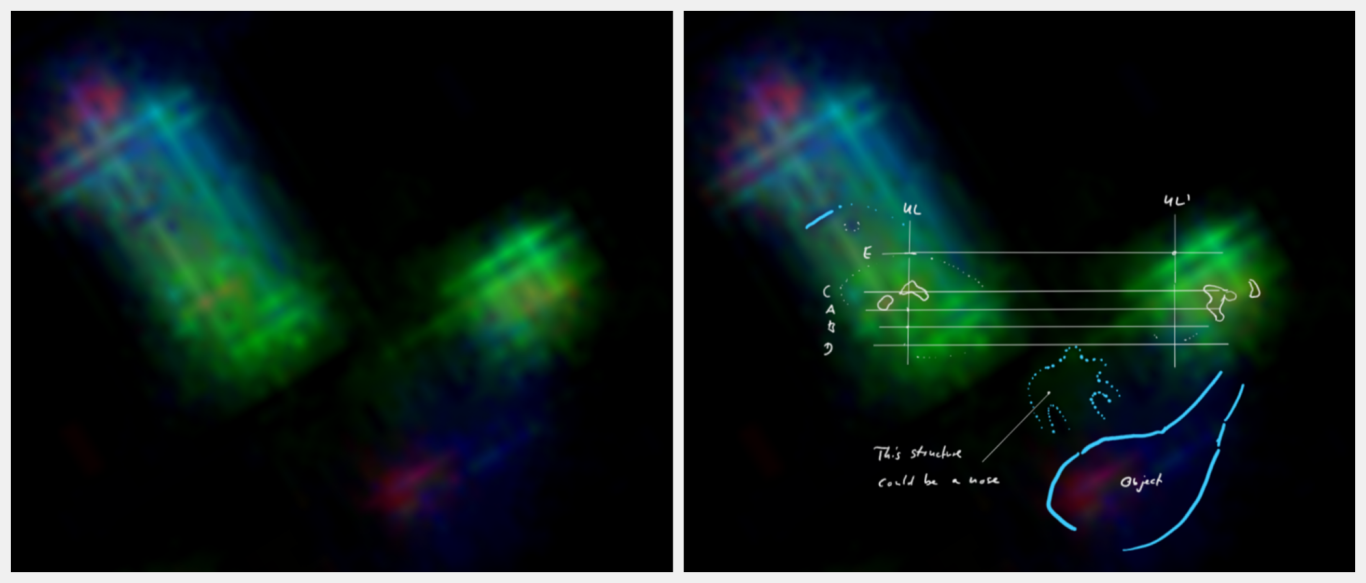
Figure 9.2.10
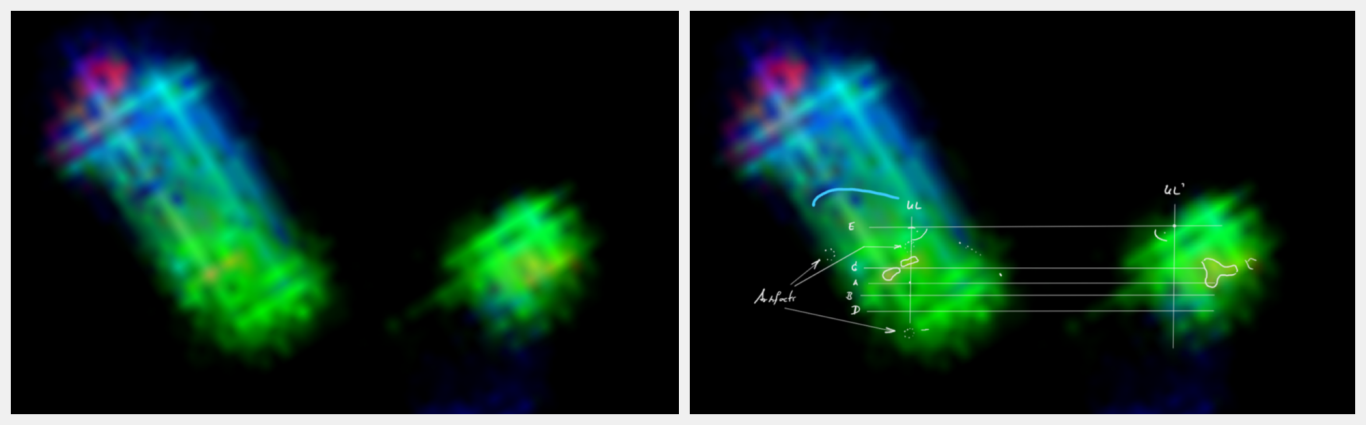
Figure 9.2.11
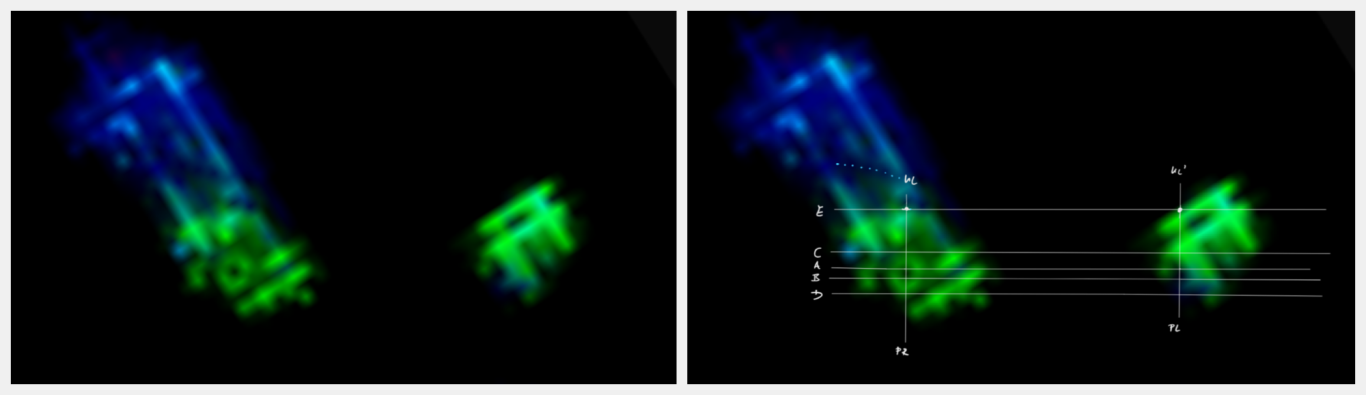
Figure 9.2.12
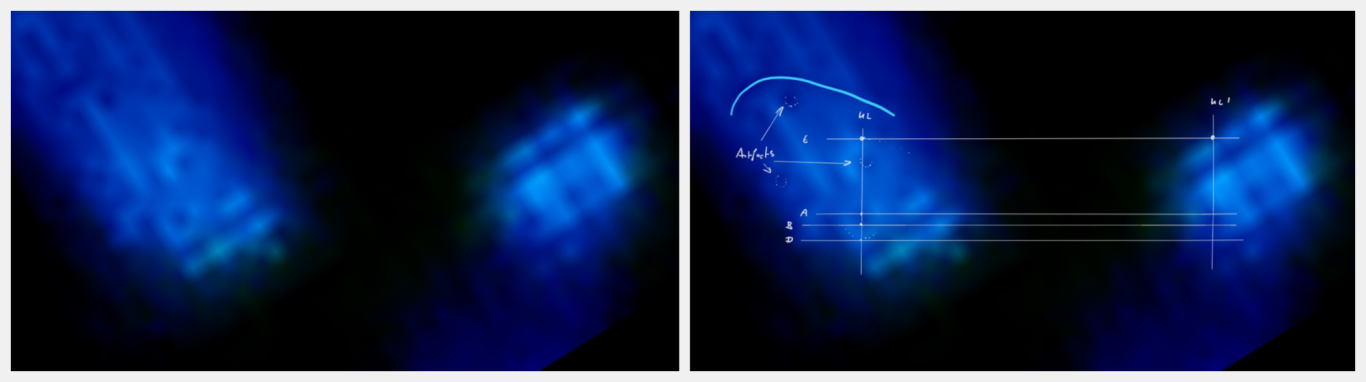
Figure 9.2.13
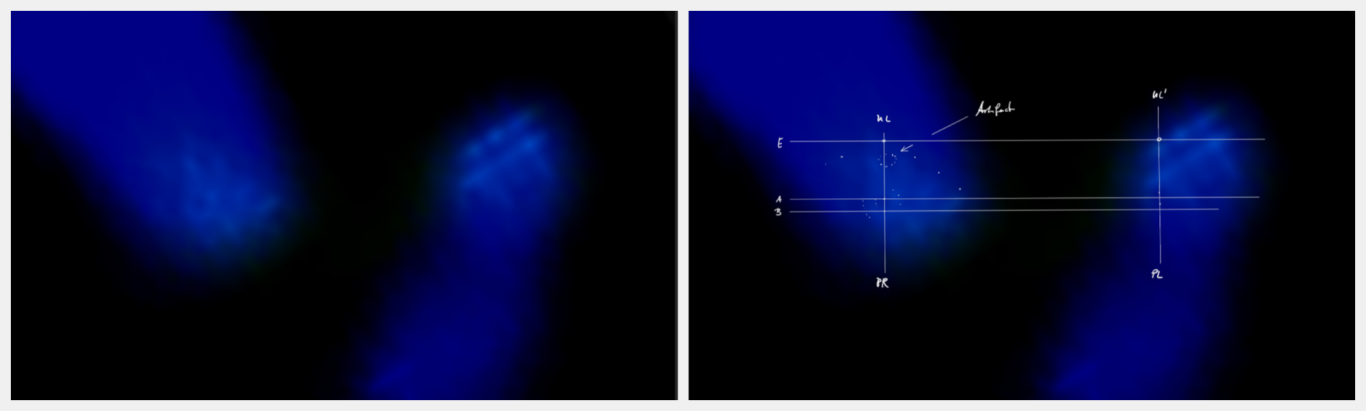
Figure 9.2.14
3.2 The Head: Position, Morphology and Light Reflections
This section is dedicated to the detailed analysis of the structures on the upper and lateral head portion of the object. The investigation proved particularly challenging due to the extremely low visual contrast compared to the surrounding dark background.
Subtle areas of light and textural differences, which had previously remained hidden in the source material, only became visible through the deliberate application and variation of reproduction parameters.
The reproduction parameters applied in the respective figures now make it possible, despite minor differences in brightness, to make specific statements about the positioning, surface color, and head shape based on the reflection patterns.
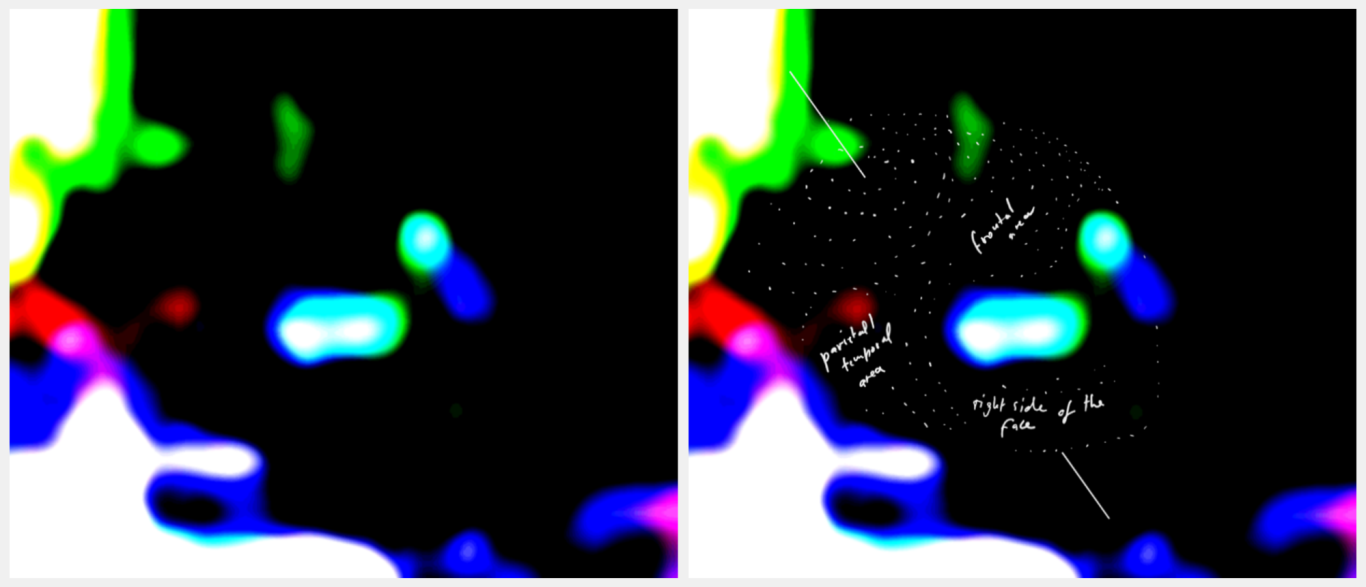
Figure 3.7: Hypothetical Head Positioning and Reflection Patterns.
This figure serves to illustrate the assumed head position, highlighted by a drawn longitudinal axis (right image). The left image provides the free, unmarked view.
- Observations: The entity's head is slightly turned away from the bright UAP foreground to the left (to the right in the image) and is also slightly raised upwards. This detail of the head position was already evident from reflective areas in subsection 3.1. The visible areas of light on the head indicate reflections caused by the bright UAP foreground.
- Constraints and Alternative Asumptions: Due to a parallax error (the viewer looks onto the entity from the right), the head position may still be different from the one assumed here. Since it is not possible to delineate the body from the background using reproduction parameters, it is equally conceivable that the entity holds its head ventrally (congruent with the front body side), but still slightly tilted upwar
Reproduction parameters: Brightness: 89%, Contrast: 68%, Sharpness: - 31%.
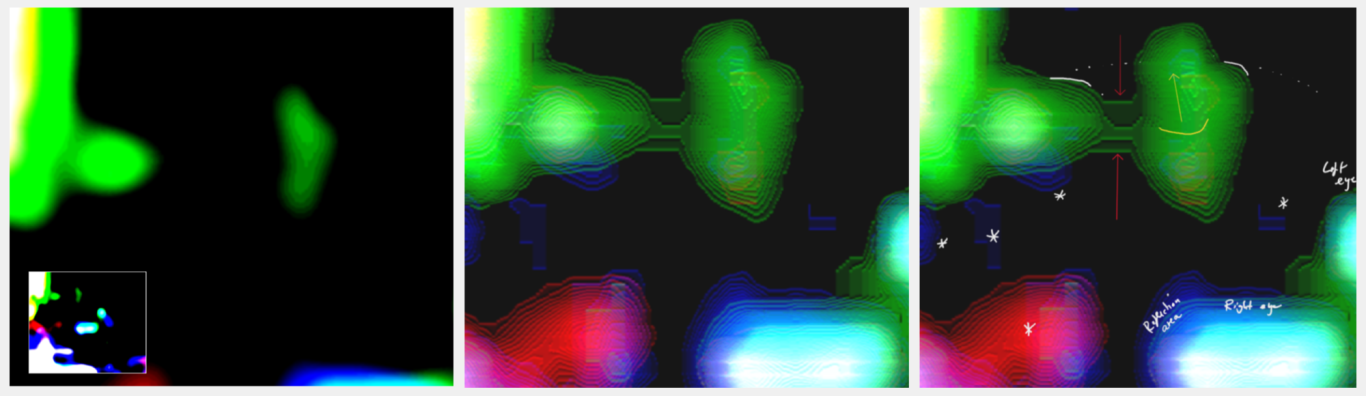
Figure 3.8: Visual Evidence of Light Reflections Localized on the Head Surface.
The figure consists of three views. The left image is an enlargement of Fig. 3.7 (with the inset of Fig. 3.7), focused on the visible green-appearing light areas. The middle and right images show the same area. The reproduction parameters were deliberately adjusted (including increased sharpness) to emphasize the depiction of the artifacts.
- Proof of Surface Localization: The parameters for the middle and right images are chosen to explicitly induce artifact rings. This serves to verify the greenish areas, which are assumed to be reflections on the head surface. The visual result clearly proves that these light areas are located on the upper side of the head and are apparently caused by the bright UAP foreground.
- Analysis of the Head Boundary and Morphology : The white lines drawn on the outer artifact ring of the two greenish reflections are presumably close to the head boundary. A definitive determination of the head boundary is not possible, as the color difference of the skin tone barely differs from the dark background. The uniformly colored area between the two reflections (see red arrows, middle and right image) confirms that the light merges. This finding validates that the green areas are reflections on a continuous head surface, suggesting a smooth, unhaired surface. The dotted white line indicates the hypothetical head line, which results from this reflection analysis and ends near the left eye.
- A specialized analysis of the right green reflection: This was carried out using a drawn yellow line, which subdivides this area. The lower part represents the primary reflection area. The upper, vertical area suggests a possible downward movement, as the light of this reflection appears to have a vertical course. The relationship to the reflection surface is clear: The artifact rings prove a distinct connection between the planar and the vertical components, which are also color-identical.
- Further Reflections: Further reflections are visible on the head surface (asterisk markings), including a larger, red-appearing reflection. Here, too, the artifact rings prove that it is localized on the head surface (right parietal/temporal).
Reproduction Parameters: Left Image: Brightness: 89%, Contrast: 68%, Sharpness: - 31%. Middle and right Image: Brightness: 92%, Contrast: - 35%, Shadows: 100%, Sharpness: 100%.
^Top of Page
3.3 The Nasal Structure
The following Figures 3.9 through 3.13 show structures that became visible during the continued analysis of the ocular regions. Initially, they appeared as undifferentiated artifacts; however, closer examination revealed indications of a nasal structure, which is investigated in the following figures.
General Note on Figures 3.9 through 3.13: The representations have been uniformly rotated by 58 degrees clockwise onto a horizontal plane for improved detail recognition.
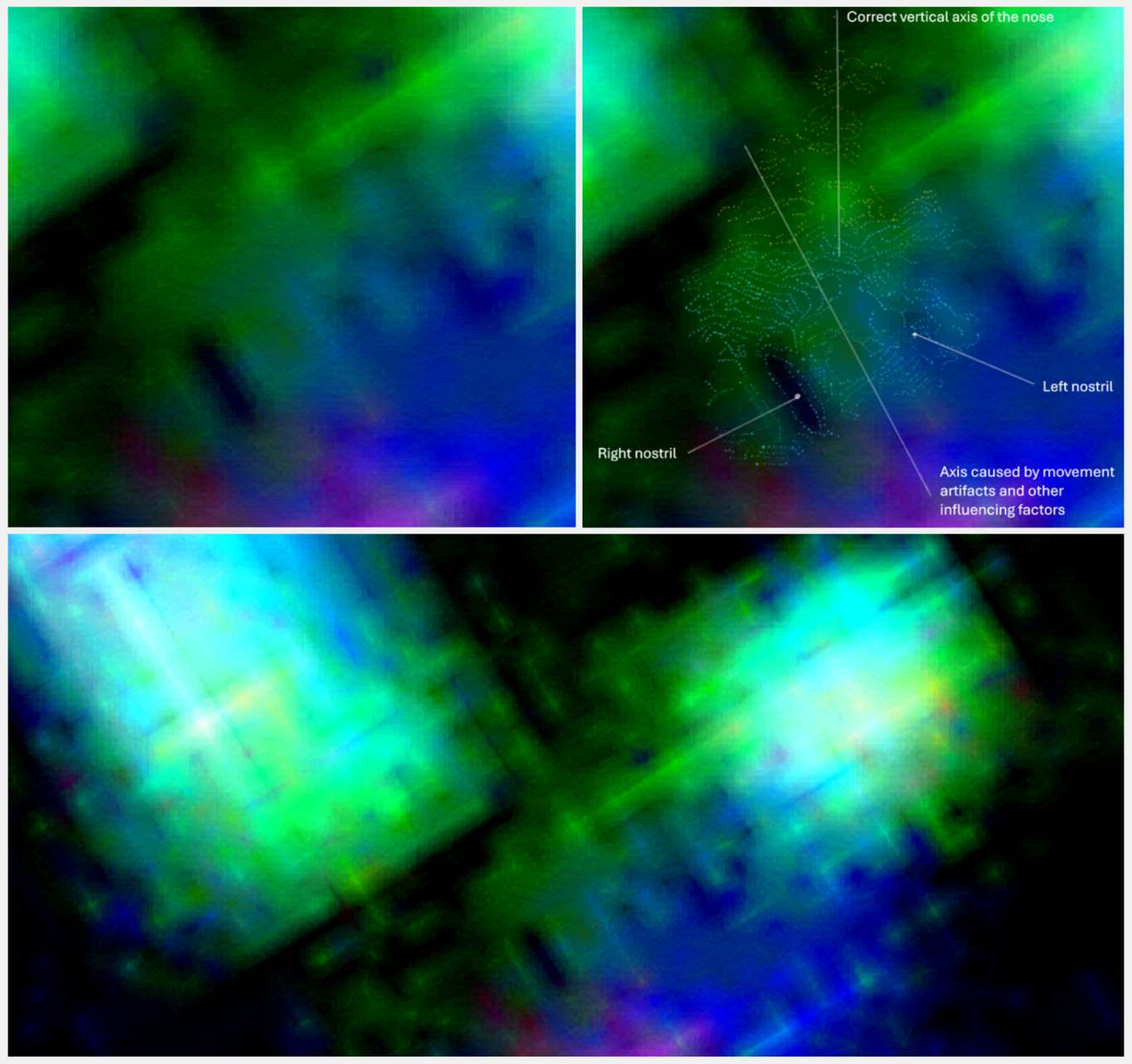
Figure 3.9: Nasal Structure – Tracing & Position Analysis (Corresponds to Fig. 9.2.2).
This figure is composed of three representations, with the lower image showing an excerpt of the ROI (cf. Fig. 2.6) where the analyzed region was marked.
Upper Images: In the right image excerpt, the artifact lines pointing to a nasal structure were traced. Due to the regular arrangement of these lines, an ordered, spatial three-dimensional structure can be inferred. A nasal bridge, as well as a right and a left nostril (nasal opening), is recognizable. The left image serves as a free view.
Position Analysis (Lines): For orientation, a vertical straight line is drawn in the middle of the eye area. A second straight line was positioned centrally on the assumed nasal structure. The displacement of the second line clarifies that the visible position of the nasal structure here is displaced from its normally correct position (central to the vertical line) due to presumed movement (motion blur).
Additive Reproduction Parameters to Fig. 9.2.2: Brightness: +50%, Sharpness: +100%.
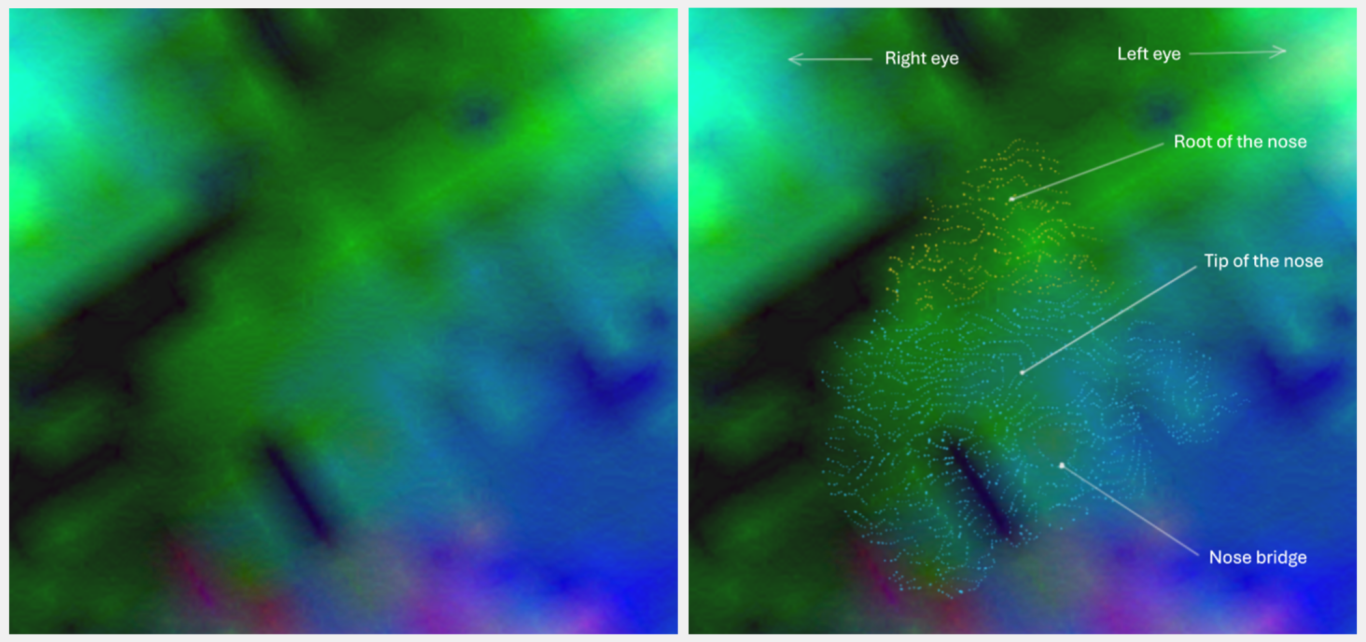
Figure 3.10: Indication of Spatial Structure (Corresponds to Fig. 9.2.5).
Representation: The right image shows the traced structural lines. The left image serves as a free view. The shown excerpt corresponds to the excerpt shown in Fig. 3.9.
Nostrils and Spatiality: In this representation, the left and right nostril (nasal opening) are also visible, with the left nostril appearing less differentiated. In the right nostril, due to the differentiated course of the artifact lines, it can be inferred that the lines run from the outer nostril edge into the inner nostril structure. This proves a clear spatial structural course.
Nasal Tip: Furthermore, a nasal tip can be inferred from the course of the artifact lines, as the lines converge circularly in this area.
Differentiation: The artifact lines run across the entire nasal analog in such a way that a spatial structure is identifiable. In addition, the entire nasal area shows a homogeneous coloration that stands out from the surroundings. (Note: Artifact lines are visible across the entire image area and around the nasal structure. Outside of the analogue, however, these are not differentiated and do not show the coherent relationship represented by the nasal structure.)
3D Structure Conclusion: The recognizable three-dimensional structure is not found in any other detail of this excerpt. This nasal structure is therefore demarcated from the rest of all visible structures by both the homogeneous differentiated coloration and the visible spatial structure.
Additive Reproduction Parameters for Fig. 9.2.5: Brightness: +10%, Sharpness: +80%.
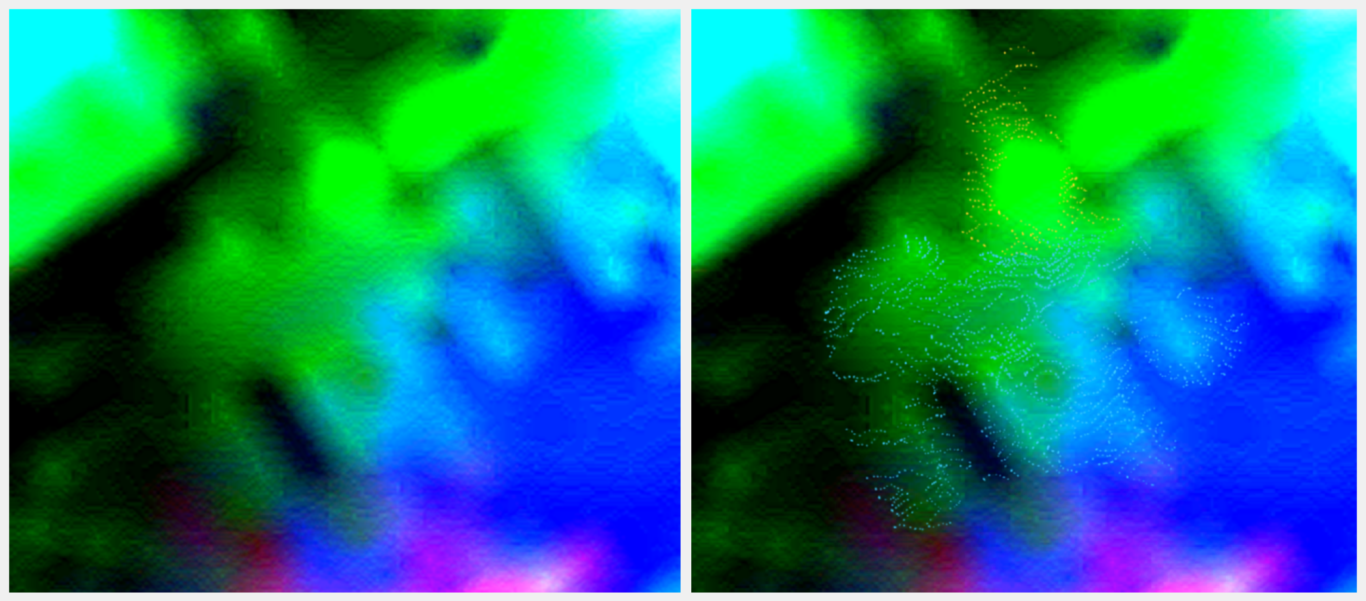
Figure 3.11: Three-Dimensional Artifact Structure (Corresponds to Fig. 9.2.6).
This figure clarifies the spatial nasal structure; the left image serves as a free view. All previously described patterns are also visible in this representation.
Additive Reproduction Parameters for Fig. 9.2.6: Brightness: +54%, Sharpness: +79%.
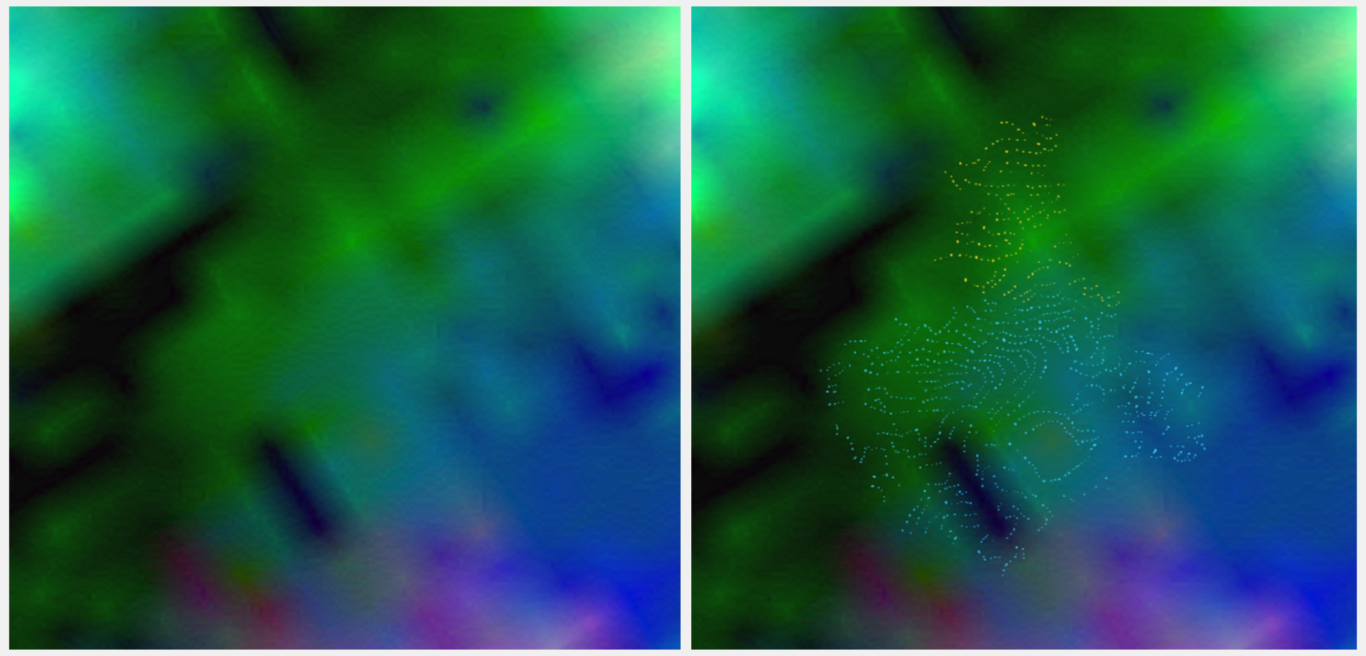
Figure 3.12: Homogeneous Coloring & Spatial Artifact Line Aarrangement (Corresponds to Fig. 9.2.7).
Nasal structure – Homogeneous staining and spatial orientation (Corresponds to Fig. 9.2.7). The marked image on the right clearly shows the spatial orientation of the artifact lines; the entire structural area is homogeneously stained. The image on the left serves as a general overview.
Additive reproduction parameters for Fig. 9.2.7: Brightness: +20%, Sharpness: +100%.
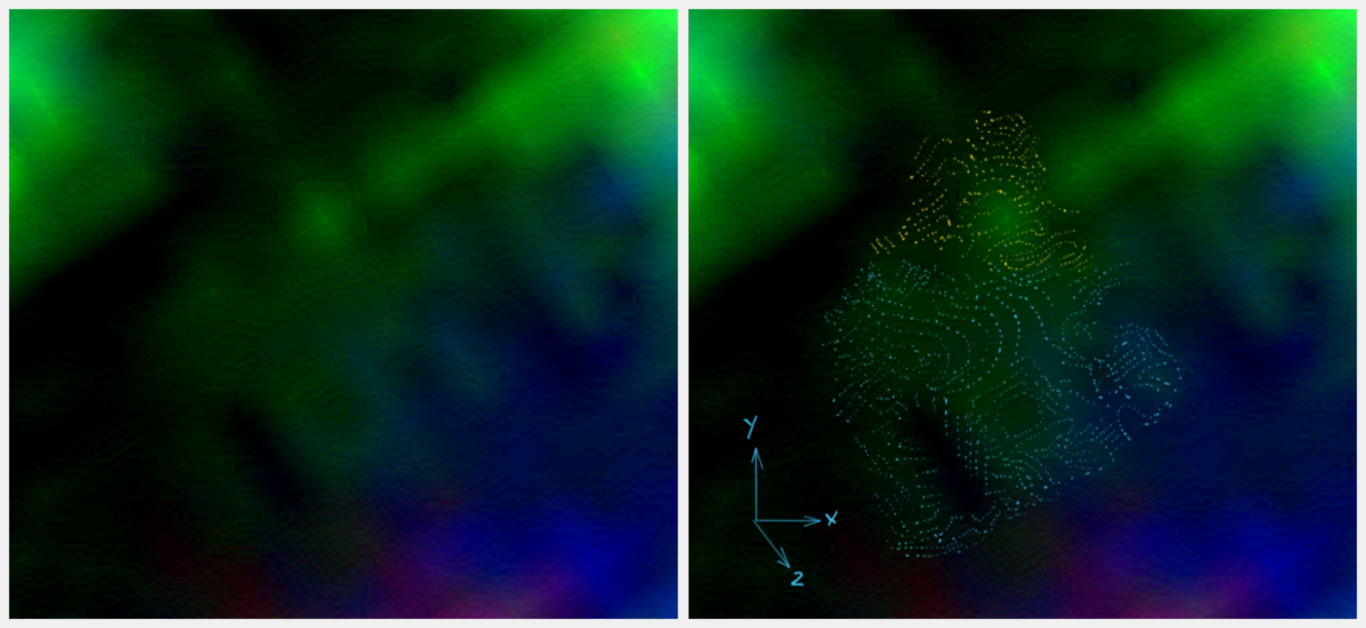
Figure 3.13: Axis Reference and Nasal Root (Corresponds to Fig. 9.2.10).
Representation: The right image illustrates a possible view of a nasal root in the upper, orange-marked area, based on the course of the artifact lines, which clearly run semi-circularly and coherently. This structure is positioned centrally to the eyes.
Further Details: The other areas (blue dotted) impressively illustrate the details previously addressed (nostrils, nasal tip).
Three-dimensionality: The drawn axis system (X-, Y-, and Z-axis) clarifies the three-dimensionality that is clearly recognizable as the basis of the nasal structure.
Additive Reproduction Parameters for Fig. 9.2.10: Brightness: +48%, Sharpness: +95%.
3.4 The Oral Structure
The oral structure (Area 1) proved to be one of the most fascinating and unexpectedly detail-rich discoveries of the image analysis. The subsequent investigations of this region clarify structures whose visual detailed analysis provides information about the morphology of this central facial region of the entity.
The following figures 3.14 and 3.15 show the oral structure made visible by the application of the following reproduction parameters, whereby an overview, free view, and marking of the oral region are shown.
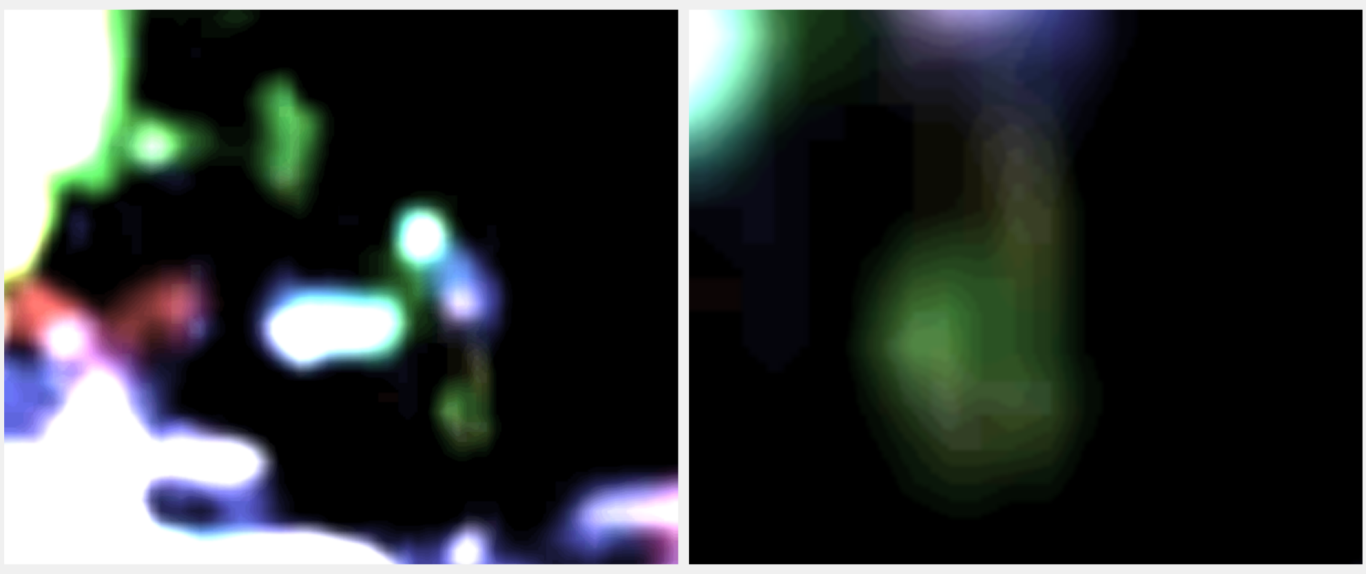
Figure 3.14: The Mouth Region in Focus.
The left image shows the ROI (sse Fig. 2.6) with the corresponding reproduction parameters. The right image shows a magnification of the mouth region.
Reproduction Parameters for Fig. 3.14: Brightness: 94 %, Saturation: -60 %.
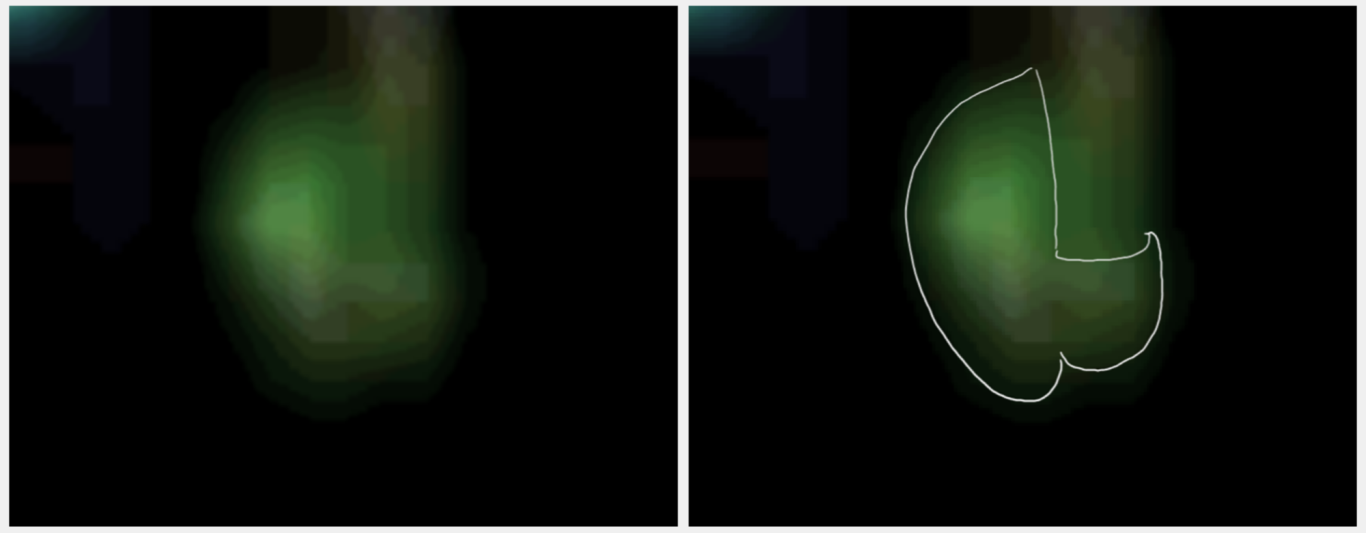
Figure 3.15: Differentiation of the Mouth Region & Light Reflection.
The image shows the oral region in a free view (unmarked) on the left. In the right image, the structure was further differentiated: the upper part (upper lip analog, left in the image) and the lower part (lower lip analog, right in the image) are outlined in white. A bright area of the same color stands out on the upper part of the oral region; this is apparently a light-reflecting surface. The lower area of the entity's right eye can also be seen in the upper left of the image.
Reproduction Parameters for 3.15: Brightness: 94 %, Saturation: -60 %.
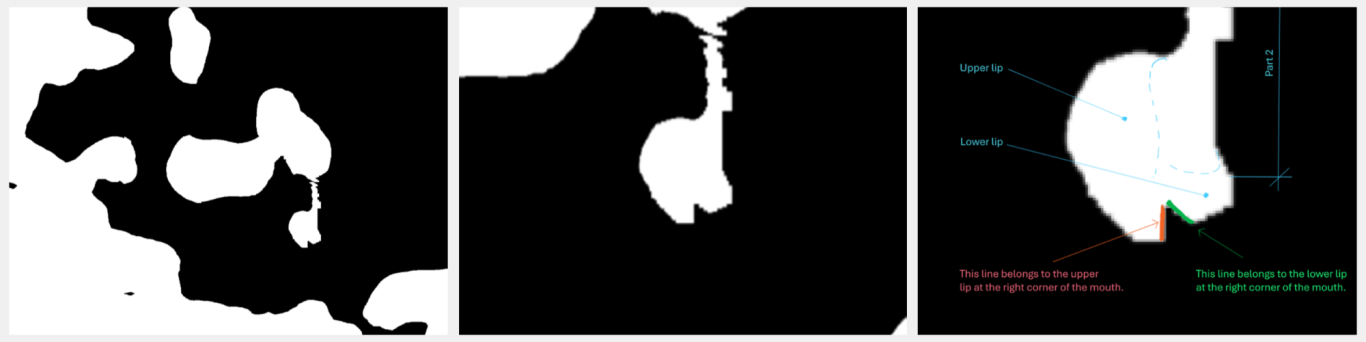
Figure 3.16: A Striking Illustration of the Right Corner of the Mouth.
This three-image combination shows an overview on the left (cropped section of the ROI, cf. Fig. 2.6) with the reproduction parameters applied here. The result of these adjustments is a striking presentation of existing structures with a focus on the oral region.
Middle Image: Shows the oral region in a magnification from the ROI.
Right Image: Shows a further magnification, where the relevant details have been marked. Due to this striking presentation, a right corner of the mouth is indicated, with the edges for the corresponding structure marked in color:
- The red line is assigned to the upper lip structure.
- The green line is assigned to the lower lip structure.
- The dashed lines indicate further contours of the mouth shape.
Reproduction Parameters for Fig. 3.16: Brightness: 98 %, Contrast: 100 %, Saturation: - 100 %.
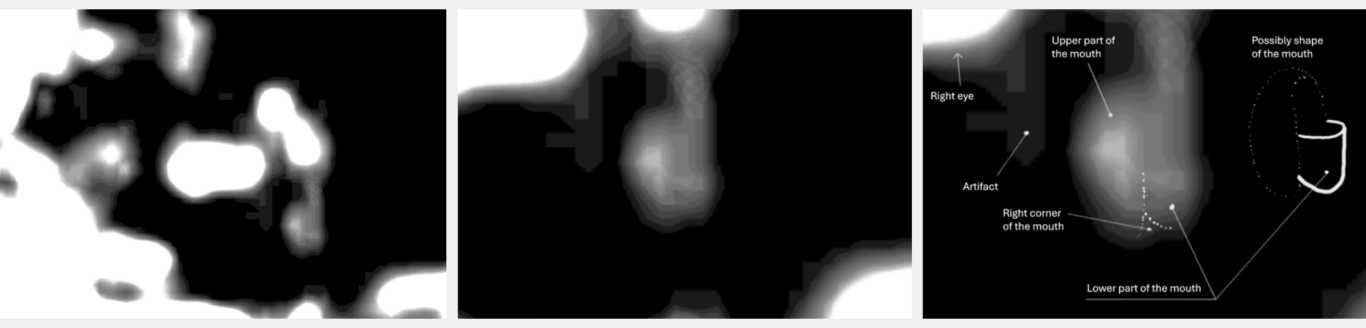
Figure 3.17: Detailed Analysis of the Oral Region & Morphological Analogy.
This three-image combination shows an overview on the left of the reproduction parameters specified below within the ROI (cf. Fig. 2.6).
Middle Image: Shows the magnified oral region (without markings).
Right Image: The markings here clarify the structures of the oral region in detail:
- The upper lip analog exhibits a light-reflecting surface.
- The dotted line indicates the right corner of the mouth.
- The assumed oral shape is diagrammatically represented on the right of the image. (The lower lip analog resembles the lower jaw of a bird.)
- Furthermore, an image artifact is marked (left image area) as well as the lower area of the right eye.
Reproduction Parameters for Fig. 3.17: Brightness: 97 %, Contrast: - 26 %, Saturation: - 100 %.
3.5 The Supply Unit (External Feeding Element)
Structures emerge from the left side of the face, extending below the left eye towards the center of the face/oral structure. These structures can be divided into three areas:
Identified Components (Image Labels)
- Area A (Tank): An initially undefinable, object-shaped structure, apparently entering the image from the left edge of the face (from the right in the image), located below the left eye. This structure is identified as a tank for liquid/nutritional pulp.
- Area B (Tube): An elongated structure connected to the tank. It attaches to the lower area of the tank. This structure is identified or designated as the tube.
- Area C (Fluid): This detail is not a structure materially comparable to Area A or Area B. It appears to be liquid or pulpy in nature and runs wide-stream from the end of the tube towards the oral structure.
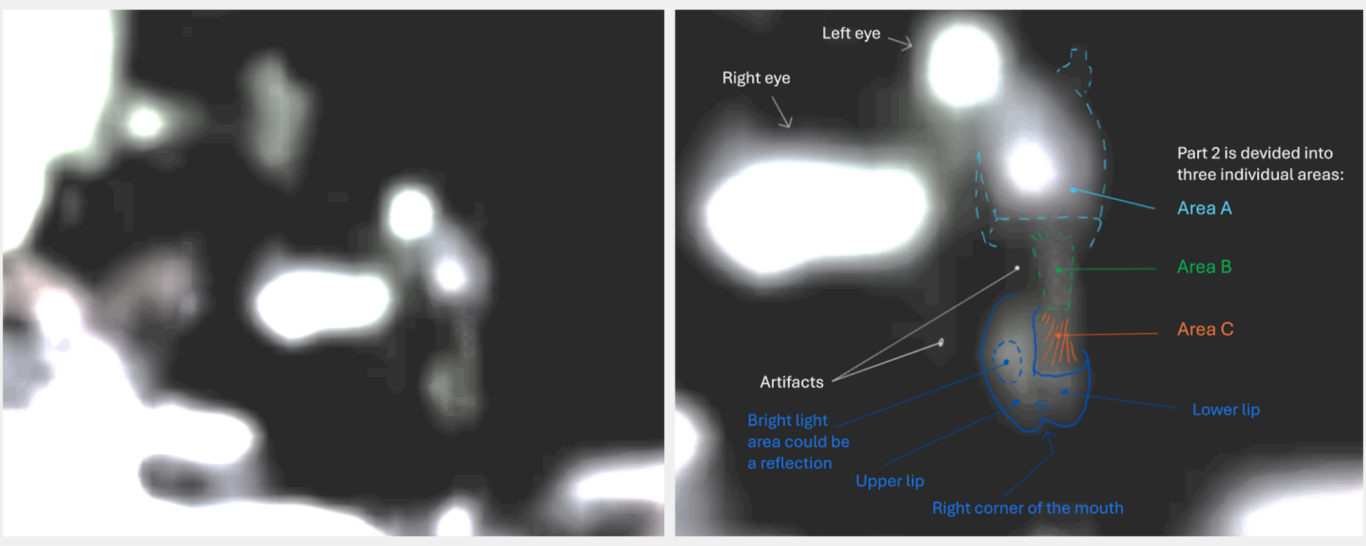
Figure 3.18: Individual Elements of the Supply Unit.
The applied reproduction parameters show three structural elements that obviously enter the image from the left side of the face and run below the left eye towards the oral structure. Based on their structure, these external elements can be divided into the marked areas A, B, and C (see right image).
Reproduction parameters for Fig. 3.18: Brightness: 96 %, Contrast: - 57 %, Saturation: - 96 %, Shadows: - 100 %.
3.5.1 Analysis of the Tank (Marked Area A)
The external element, labeled Area A in Figure 3.18 (in the right image), represents the core component of the Supply Unit. It apparently functions as a storage vessel (Speicherbehältnis) for the liquid identified in Area C (nutrient paste/chemicals) and is, in reference to the study following this exploratory analysis, of fundamental importance for the maintenance of the classified Constructed Bio-technological Entity (CBE).
This section pursues the detailed examination of the geometric form, the material properties, and the type of connection to the facial periphery. Due to its function as a central energy storage (material depot), the precise documentation of its visible surfaces and connections is of scientific relevance for assessing the efficiency and durability of the overall system.
The structure of the tank indicates a material dependence of the entity on external resources. The interpretation of the functionality, as well as the implications of these external structures for the entity’s overall hypothesis, will be discussed comprehensively in Chapter 4 (Discussion).
Note: The use of the term CBE refers to an initial classification of this entity through the principle of exclusion and statements made by the author (NHI Encounter of 1987, see Study).
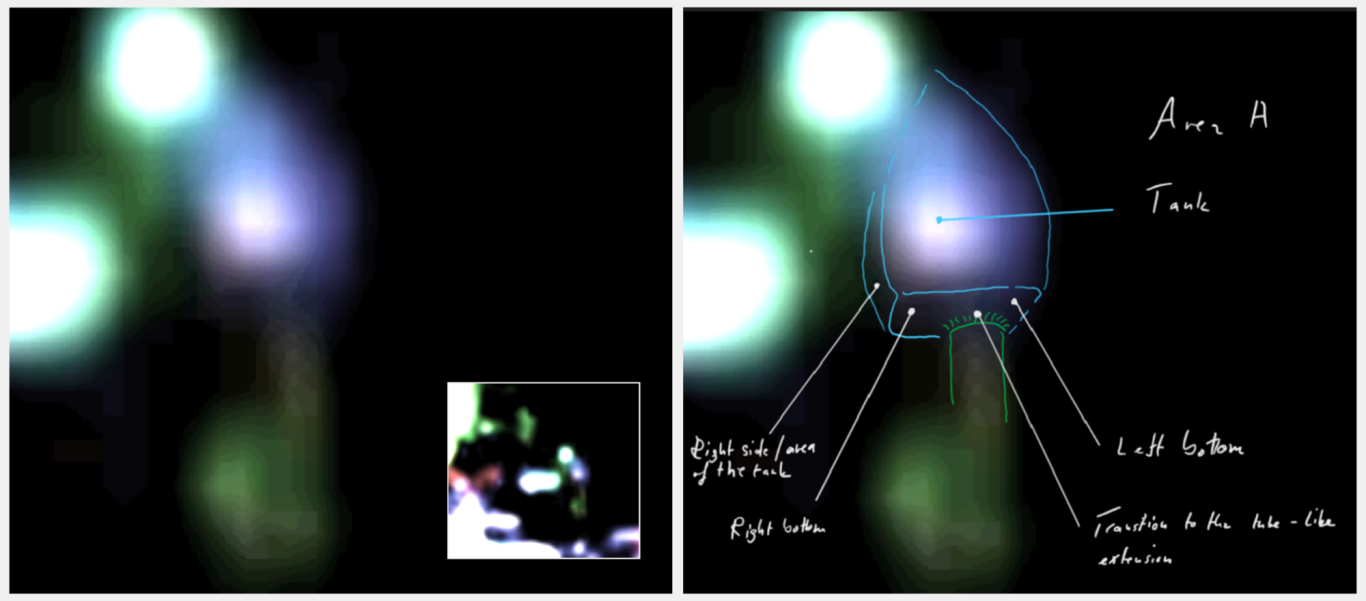
Figure 3.19: Initial Identification and Localization of the Outer Structure.
General Visibility and Morphology: The entire facial morphology previously examined is discernible. In addition, a structure marked as Area A is visible, which apparently enters the frame from the left edge of the face. The structured form reveals the following details:
- Identified Surfaces: In the right image, a bottom, a front side (facing the viewer), and a right lateral wall of this form are marked.
- Geometric Assumption: The assumption that this could be an angular structure is mitigated; it could just as easily be a container with rounded edges.
- Orientation: The form, which resembles a tank, appears to be raised (tilted) from the vertical, so that the bottom of this form is visible.
Specific Details
- Light reflection: A bright area of light is visible on the anterior surface. This is a light-reflecting area caused by the luminescence of the eyes and presumably also by the light from the bright UAP anterior background on the left in the image.
- Connection to the tube: A tube-like extension (Area B) connects to the base (bottom) of the tube, leading to the oral structure.
Figure Reference: The left image serves as the overview. The inset is the overall view of the ROI (cf. Fig. 2.6) with the reproduction parameters specified below.
Reproduction parameters for Fig. 3.19: Brightness: 94 %, Saturation: - 70 %.
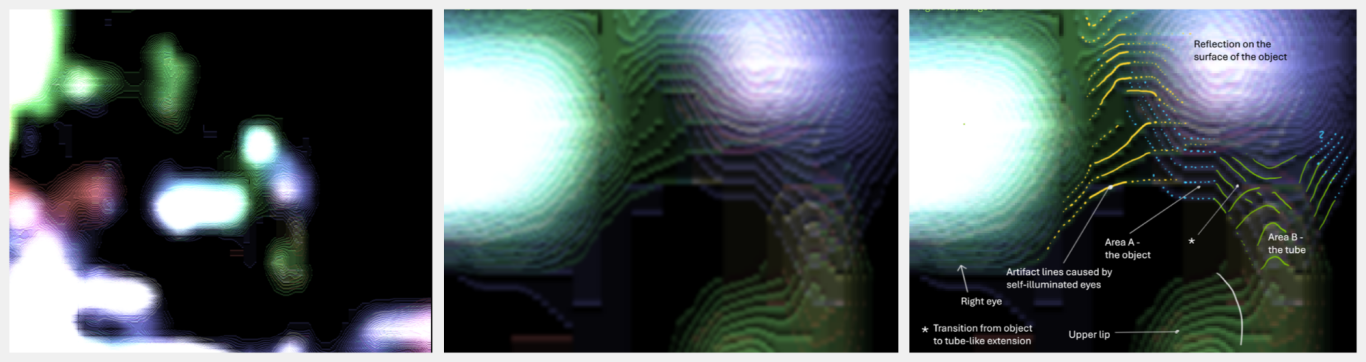
Figure 3.20: Analysis of Artifact and Object Structures.
General Observation and Categorization: The applied reproduction parameters (Brightness: 94%, Saturation: -70%, Sharpness: 100%) highlight the existing artifact lines, which can be differentiated into two main categories based on origin and coloration: lines assigned to the Tank and lines assigned to the Light, resulting from the luminescence.
Image Orientation: The left image shows the overall view, the middle section the free view, and the right section the view with markings.
Structural Findings
- Tank Structure (Black-Violet Artifacts): The artifact lines correlating to the Tank show a black-violet coloration. The basal surface is demarcated by shading. The angular and edged path of these lines indicates a container-like shape (delimiting the bottom, front, and right sides).
- Light Artifacts and Transitions: Artifact lines (yellow markings) generated by the luminescence show a direct correlation to the right ocular. The light-reflecting surface on the Tank’s front side presents white artifact rings (Reflection).
- Tubus: A conically shaped element (Area C) connects to the Tank’s basal surface and evidently conducts the identified fluid. The structural lines at the Tubus transition (green markings) deviate from the Tank structure, suggesting a different material composition.
Material Evidence (Line Interaction)
The interaction of the two artifact types is of particular analytical interest. The greenish light artifact lines (marked yellow) appear to lie completely above the black-violet structural lines of the Tank or completely obscure them. The light artifacts appear transient (transparent). In areas fully covered by the light artifacts, a clear interruption of the recognizable Tank lines is observed. This phenomenon provides an unambiguous indication of the material (physically solid) structure of the Tank.
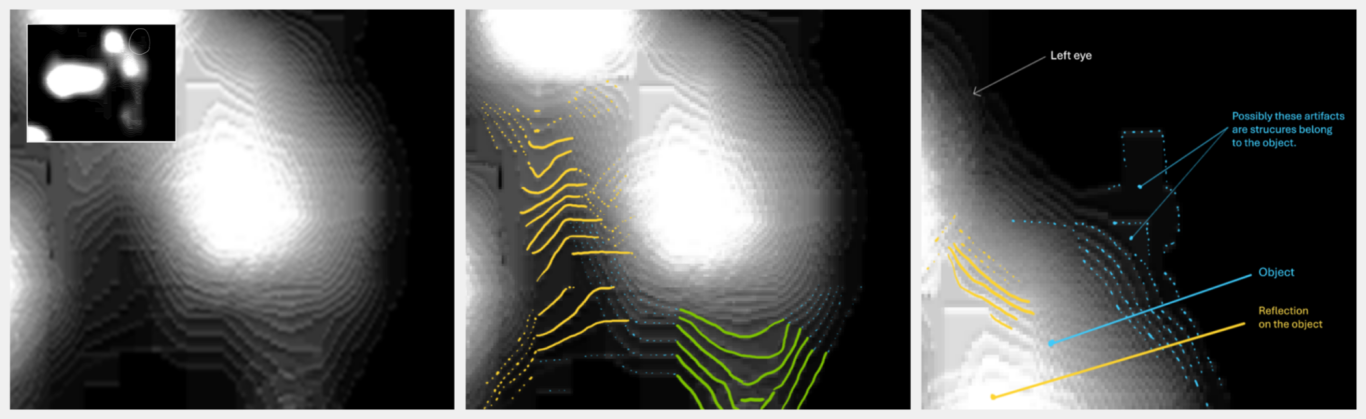
Figure 3.21: Evidence of the Physical Tank.
Image Orientation: The overview (inset in the left image) shows the overall view of the adjusted ROI (see Fig. 2.6). The images on the left and in the middle focus on the Tank (area A), with the middle image containing markers. The right image shows a magnification (see marker in the inset) focusing on a specific detail.
The container: the Tank (left and center images): Artifacts created by luminescence, visible as lines (see yellow markers), overlay the underlying artifact lines of the supply element, the tank. The basal structures of the tank (the bottom), also visible as artifact lines and in a defined shape, confirm the previously discussed, seemingly angular form of the tank.
Right image: The enlarged view focuses on a separate detail, visible as a faint artifact to the left of the tank. Whether this is an integral part of the tank (such as a suspension or a control/valve element) or an undifferentiated artifact cannot be determined more precisely, as similar structures are present in the ROI. However, since these appear less structured compared to this detail, this structure has been hypothetically highlighted here.
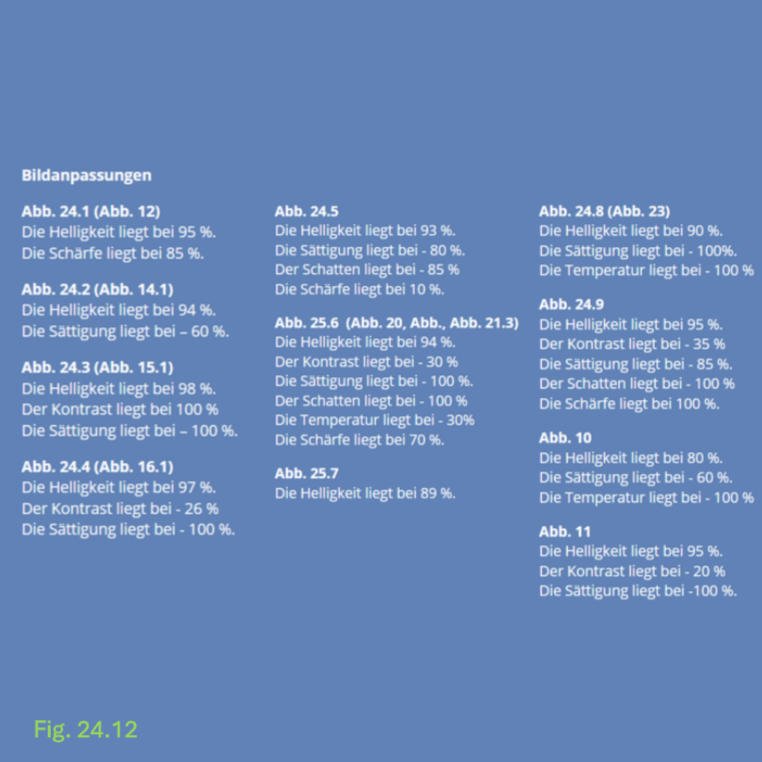
Reproduction parameters: Brightness: 94%, Contrast: -30%, Saturation: -100%, Shadows: -100%, Temperature: -30%, Sharpness: 70%.
3.5.2 Detailed Analysis of the CBE-Serving Supply Unit.
A functional analysis is presented below. To understand the mechanisms of the apparent power supply, the structure was broken down into its components. For this purpose, the corresponding supply area was divided into three logical regions: tank (A), tube (B), and fluid interface (C). The following figures document the morphological properties of the individual components.
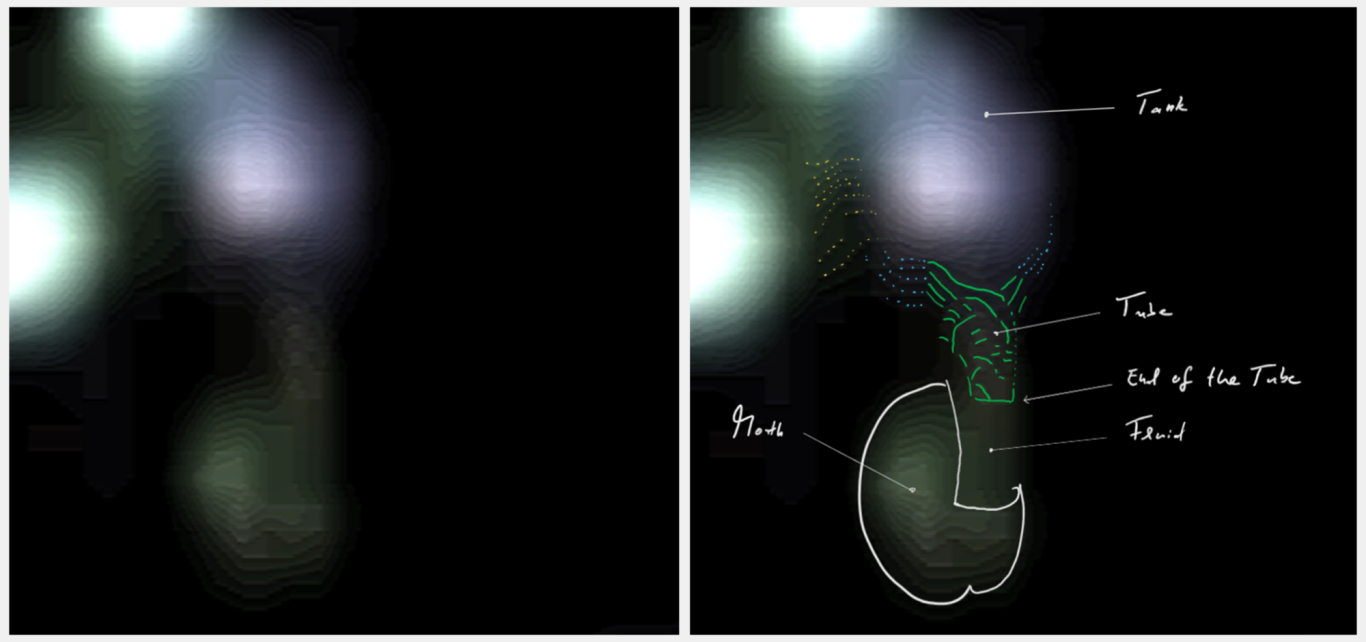
Figure 3.22: Component Analysis: Tube (B) & Liquid (C).
Image Adjustments and Focus: To highlight areas B and C, the image was optimized with the following parameters: brightness 92%, saturation -85%, and sharpness 50%. The areas are viewed together because they are directly connected as a supply line.
Detailed View of the Transfer: A tube is connected to the tank inlet. Its diameter decreases along its length. This constriction could indicate that the tube functionally resembles a nozzle to precisely direct a liquid flow.
Liquid/Interface: A liquid (substrate) apparently emerging from the tube in a jet-like manner appears transparent and extends into the white-bordered mouth structure (mouth interface).
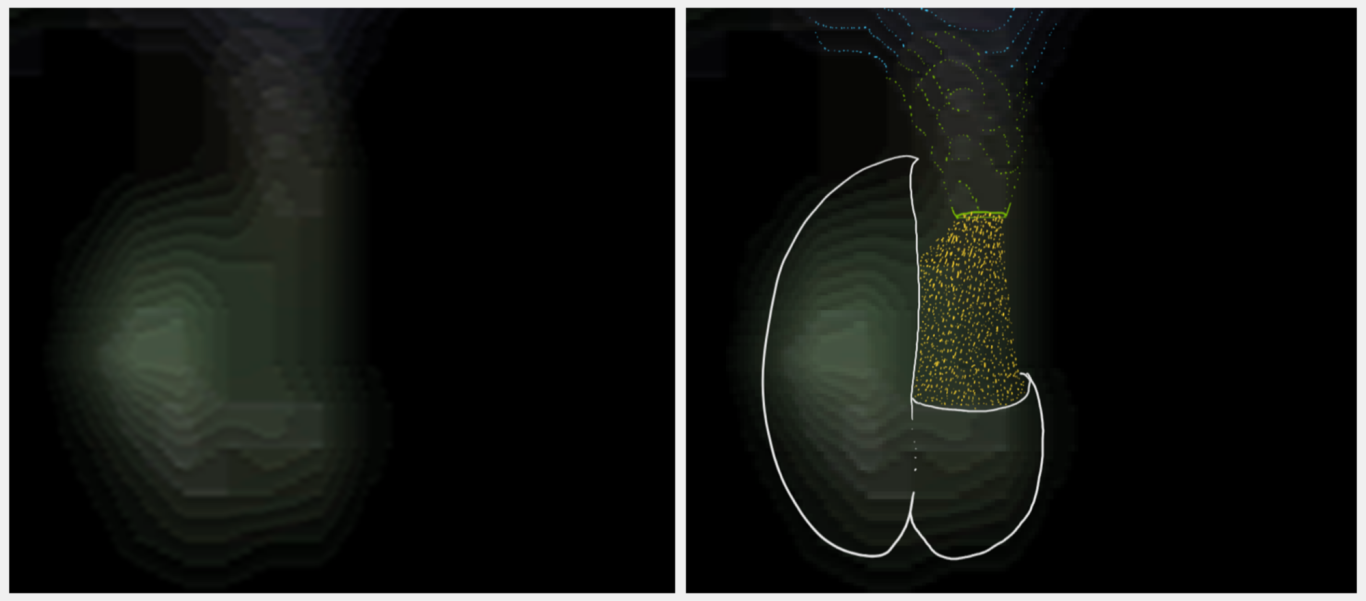
Figure 3.23: The Liquid Medium (C) as the Transport Medium for the Energy Supply.
This figure shows the relevant image section with optimal visibility parameters (Brightness 92%, Saturation -85%, and Sharpness 50%). The areas of the Tube (B) and the Exit Medium (C) are considered together, as they are directly connected as a supply line.
1. Analysis of the Tube (Solid Matter)
The characteristic structures of the tube are clearly outlined (green markings). Reflective areas can be identified on the tube. These are a strong indication that the tubule structure is made of solid matter and is therefore physically present in three-dimensional space. The light sources responsible for the reflection are the luminescent eyes and the bright UAP foreground.
2. Analysis of Area C (Liquid Medium)
At the lower end of the tube, Area C connects, which is interpreted as a medium of liquid consistency. In contrast to the characteristic structure of the tube, Area C is distinguished by a homogeneously weakly colored area, giving the appearance of transparency.
- Consistency: The assumption of a slurry or liquid consistency is supported by the fact that this area appears transparent and with a weak color intensity as a homogeneous area across all adjustment combinations.
- Reflection Behavior: The transparent medium shows no visibly reflective surface under these adjustments, whereas a medium like clear water could be expected to reflect. The observation that the transparent medium does not visibly reflect, suggests that it is either a highly viscous liquid or a colloidal/slurry substance. Alternatively, surface tension or the adjustment combination might suppress the reflection.
3. Morphology and Flow Dynamics (Nozzle Function)
The analysis of the tube geometry at the transition to Area C provides important clues about the nature of the transport:
- Geometry: The tubule structure begins basally from the tank and runs conically, tapering significantly at its end. This shaping supports the acceleration and focusing of the exiting medium.
- Exit Behavior (Pressure vs. Passive): A stable broad jet of the transparent medium (C) is visible. This strongly suggests an active pressure mechanism rather than passive runoff (e.g., dripping or slow flow). While the possibility of an optical illusion (artifact distortion) exists, the visual evidence supports the hypothesis of a controlled release.
4. Causal Interpretation (Function)
The entire structure extends from the left side of the NHI's face towards the upward-facing mouth. The transparent medium (C) begins at the end of the tube and ends very close to the mouth.
Energy Supply Process: Based on these clear causal relationships (Tank → Tube → Mouth) and the active supply via the nozzle function, the entire process can be interpreted as an energy-supplying process.
Role Distribution:
- Tube: Functions as a conduit or transport pathway.
- Transparent Medium (C): Functions as a substrate (nutrient/energy source) in liquid form, which is precisely delivered to the mouth via the pressure mechanism for ingestion.
Conclusion: The entire observed structure (the tank, the tube, and the transparent medium) can be causally interpreted as a system serving the supply of necessary substances, supporting the general assumption that the process is related to the life support or energy regeneration of the NHI (CBE).
Additional: Discrepancy in Visibility: The Role of Quantum Field Stabilization (QFS)
The striking discrepancy in visibility—the clear detection of detail in the CBE supply system (Tank, Tubule Structure, Medium C) in contrast to the almost complete lack of visibility of the "normal Greys" positioned further forward in the bright UAP foreground —requires an explanation that goes beyond conventional illumination.
Hypothesis: Quantum Field Stabilization of the Supply System
Since the analyzed CBE is presumably anchored in the observation space itself through a form of Quantum Field Stabilization (QFS), it is plausible to assume that the life support system directly connected to it is also integrated into this effect.
- Functional Necessity: The supply system (Tubule/Medium C) is causally linked to the life support of the CBE. For efficient energy or substrate transport, it must be physically just as stable and real as the host. A non-stabilized supply line would interrupt the transport.
- Physical Integration: The QFS aura of the CBE could extend to all directly physically connected components. The clear visibility of the solid tubule (B) and the liquid medium (C) would thus be a secondary effect of the CBE's stabilization.
Contrast with the Greys
The "normal Greys" in the foreground (without yellow eyes) are barely visible, while the structures of the CBE and its supply system (Tubule/Medium C) appear clear and distinct.
There are two possible explanations for this:
- Stable Connection: The CBE is apparently firmly anchored in the image area through Quantum Field Stabilization. The connected supply system (Tubule and Medium C) is automatically co-stabilized to ensure fluid transport. This is why these parts are visible.
- Instability: The other Greys in the foreground are either not stabilized and are therefore blurry, or they exhibit an extremely low level of light reflection.
The decisive difference is the direct, physical connection to the stabilized CBE, which makes this area visible and analyzable.
Conclusion
The clear detection of detail in the tubule and Medium C is a strong indicator that the entire energy supply system is integrated into the CBE's Quantum Field Stabilization protocol to guarantee the physical reality of the transport process.
Phase Transition and Energetic Support: The Physics of the Hybrid Supply Process
The following gallery provides the most compelling evidence for the integrated nature and technical necessity of the documented entity. While the structural analysis of the face establishes identity, the visualization of the "Liquid Phase" (Medium C) reveals the underlying life-support and energy-regeneration mechanism.
We are observing a hybrid intake process: This is not merely a biological ingestion, but a highly specialized delivery of a substrate designed to meet both biological maintenance and technological energy requirements. The transition from the solid transport tube (B) to the pressurized, slurry-like medium (C) demonstrates a physiology where biology and technology are functionally inseparable.
The remarkable clarity of this system — contrasting with the surrounding environment — is interpreted through the hypothesis of Quantum Field Stabilization (QFS): a localized physical anchoring that allows the supply process and its mechanical components to remain stable and visible within our observation space. The structural stability of these features across multiple analytical filters confirms that we are not looking at imaging artifacts, but at an active, documented process.
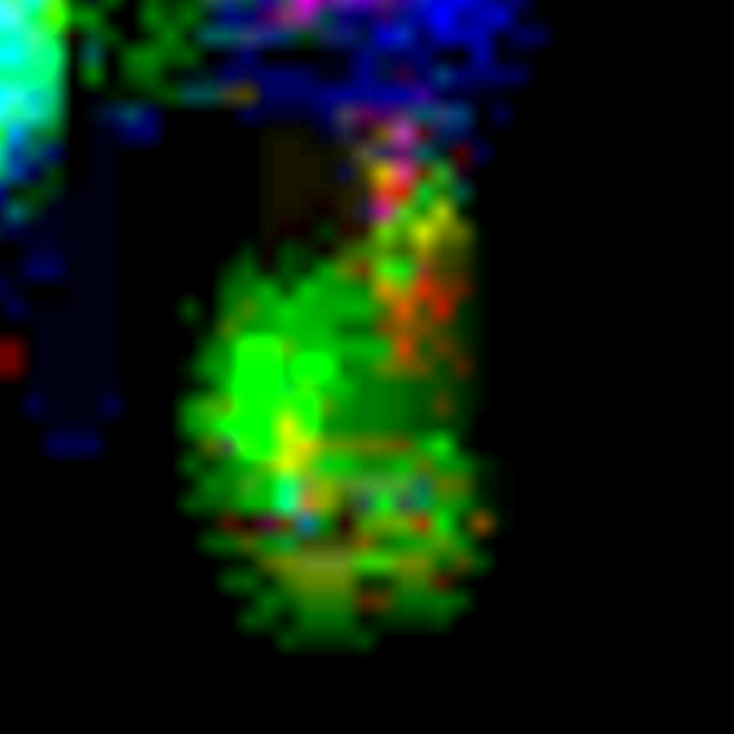
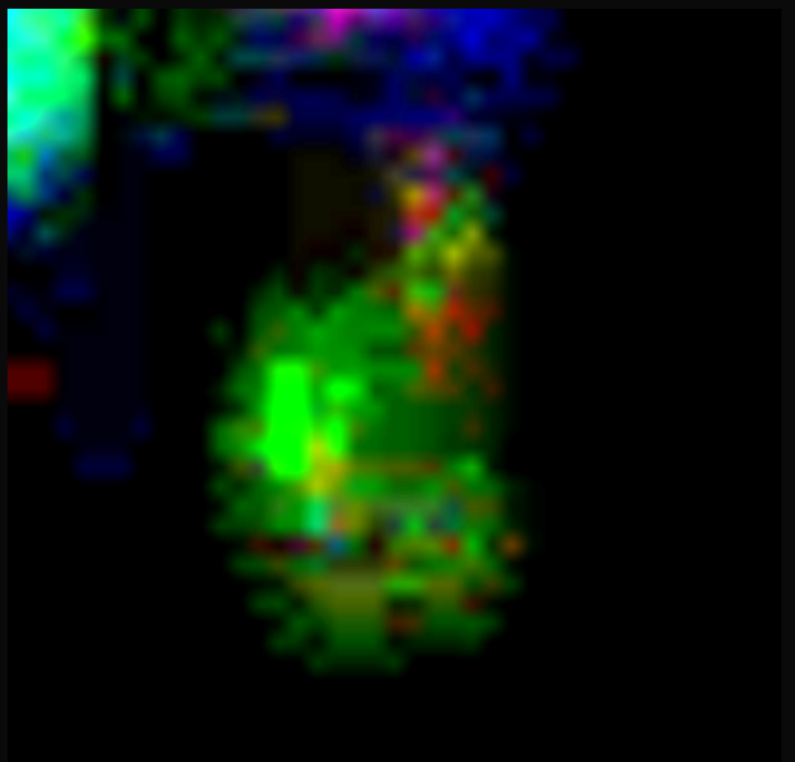
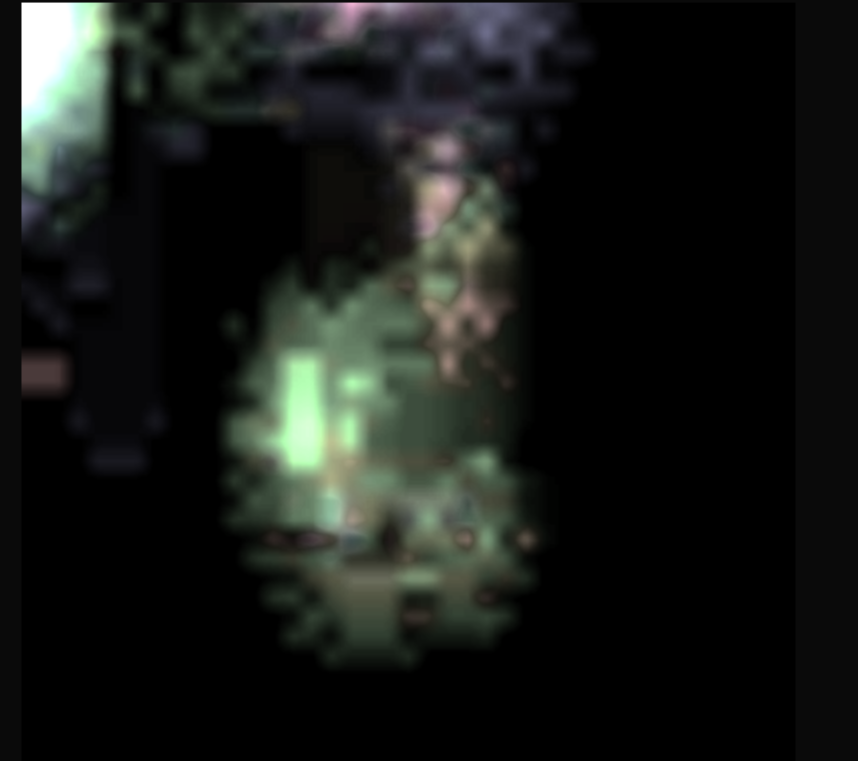
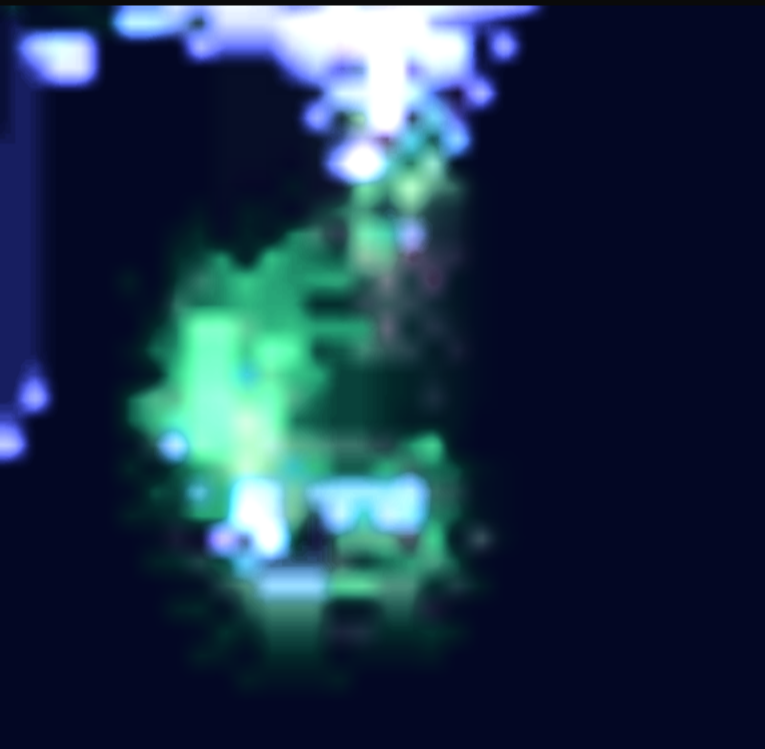
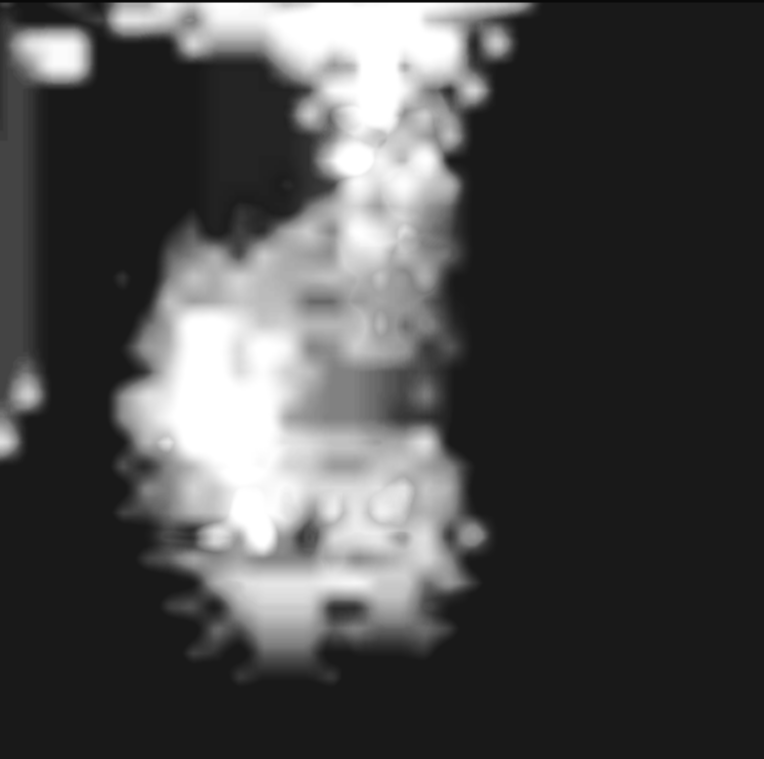
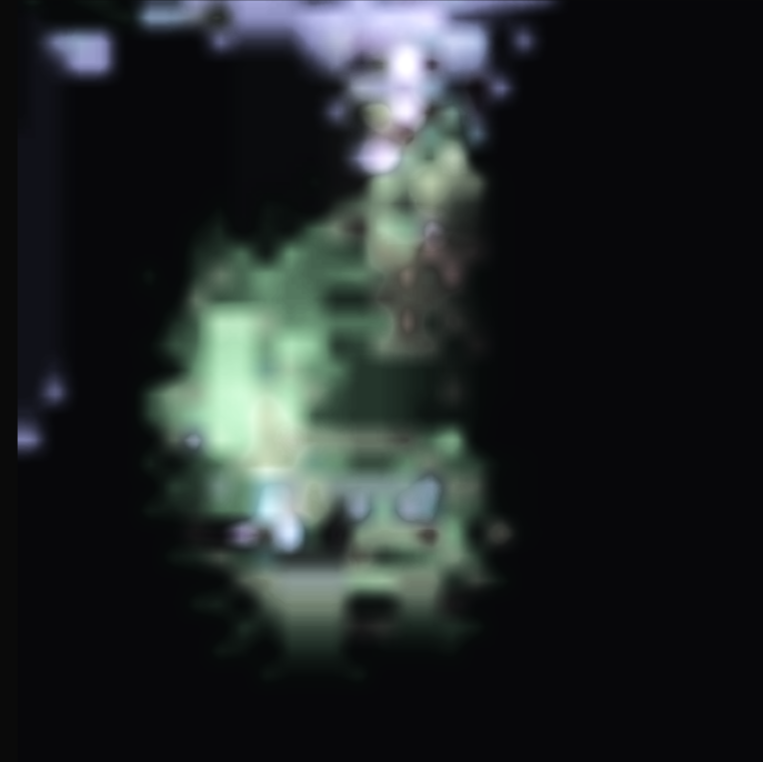
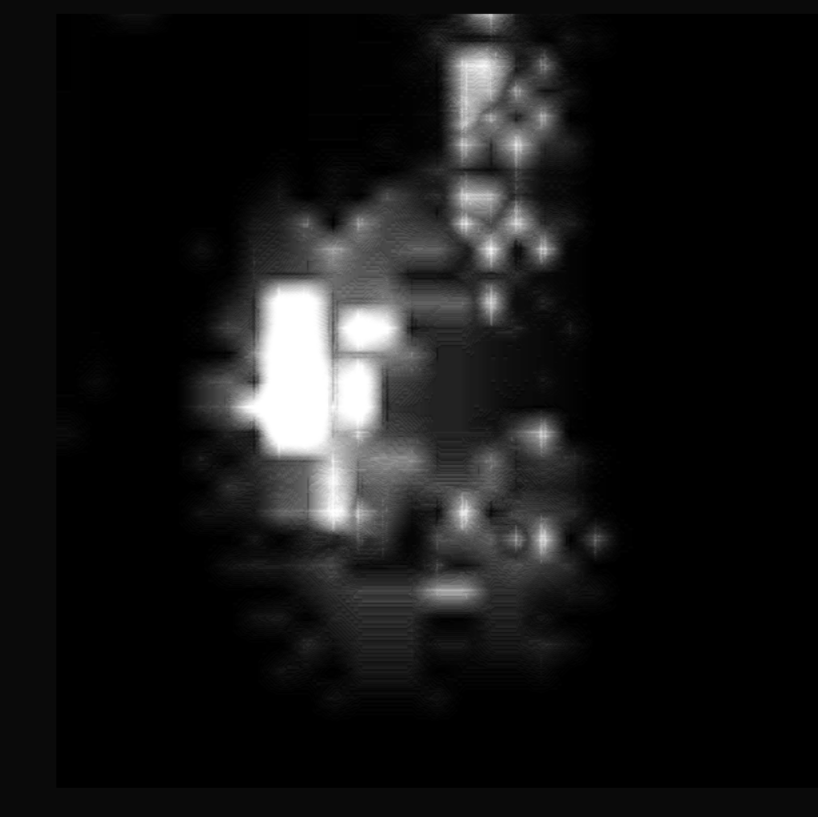
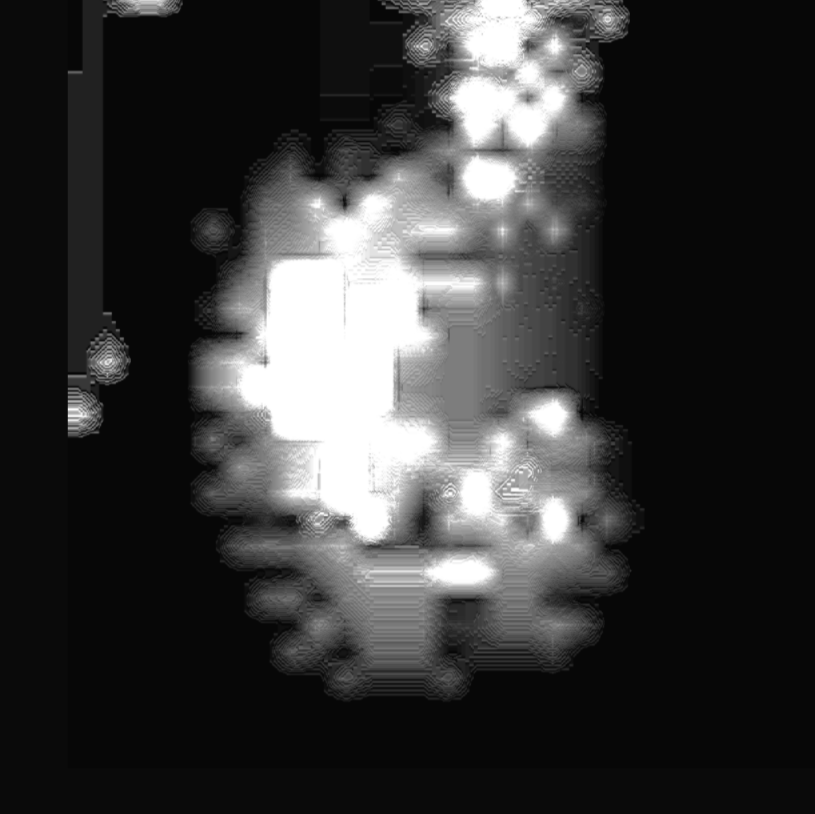
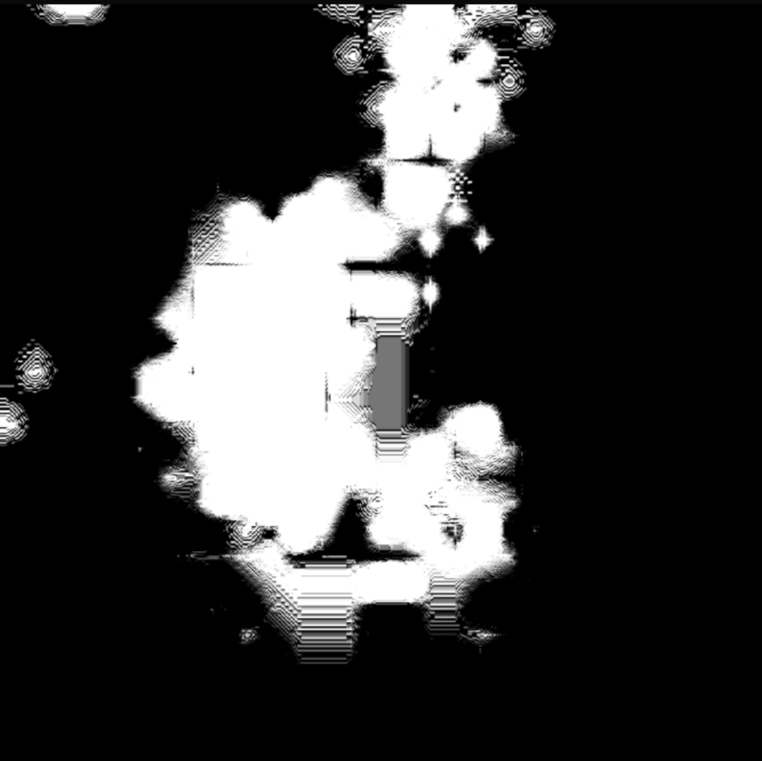
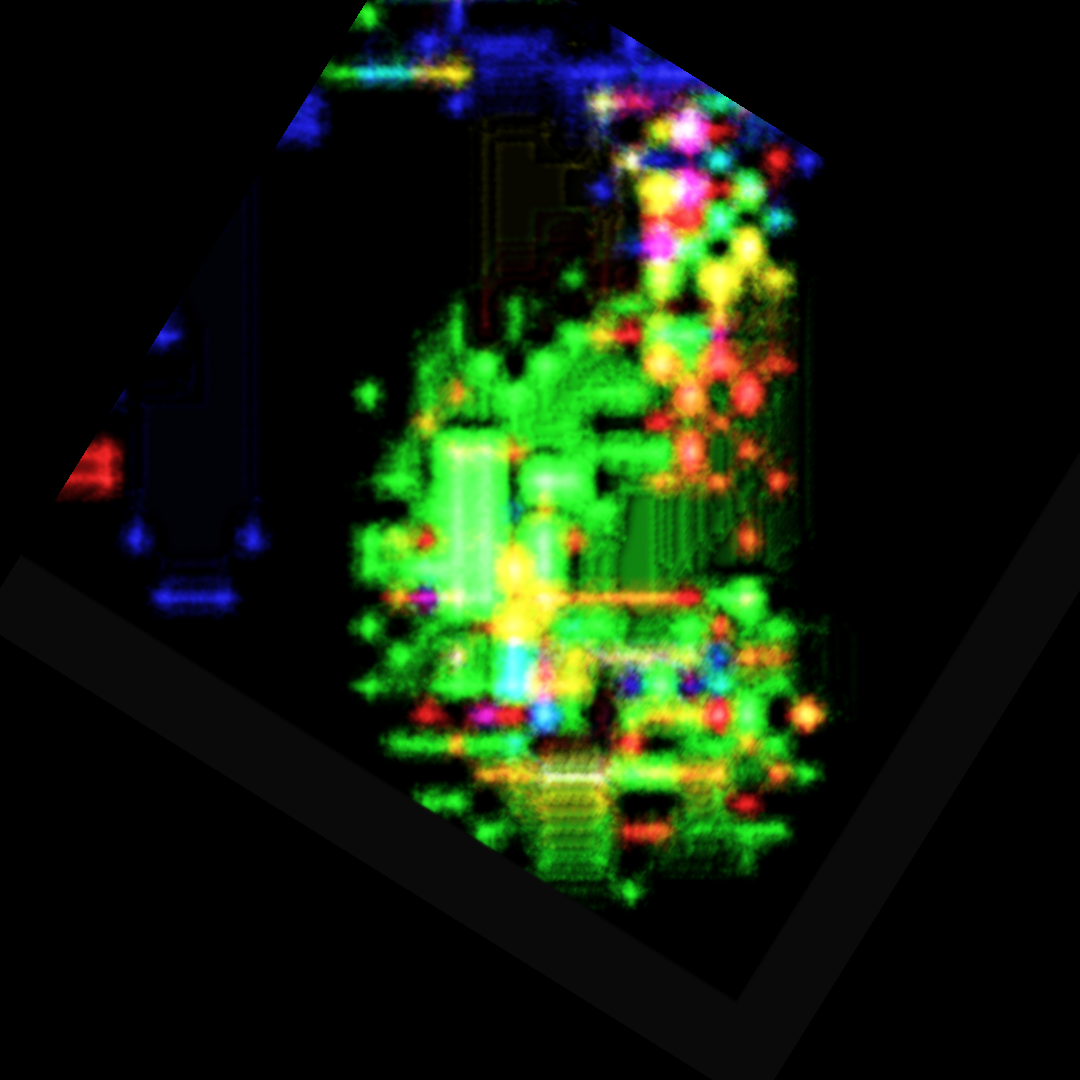
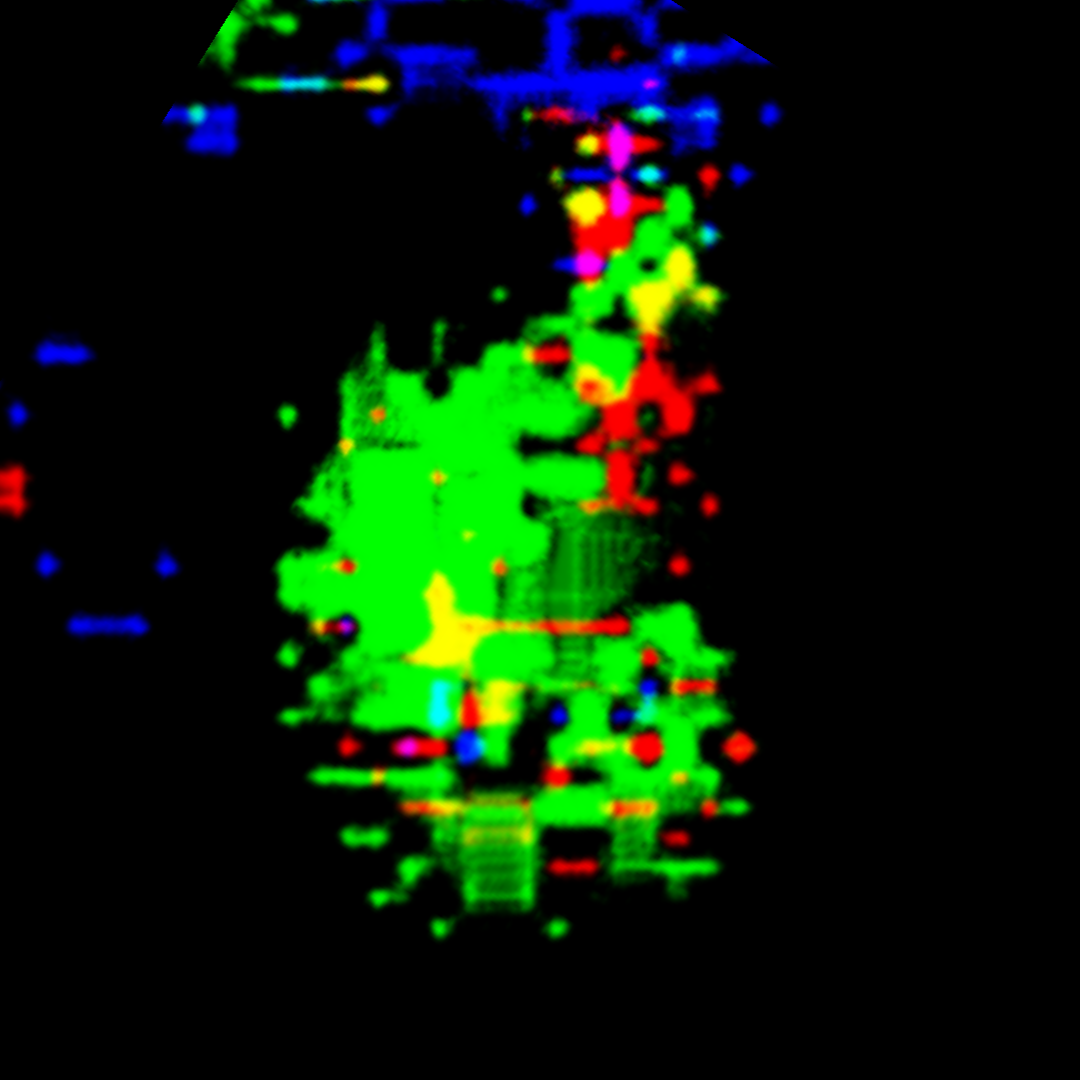
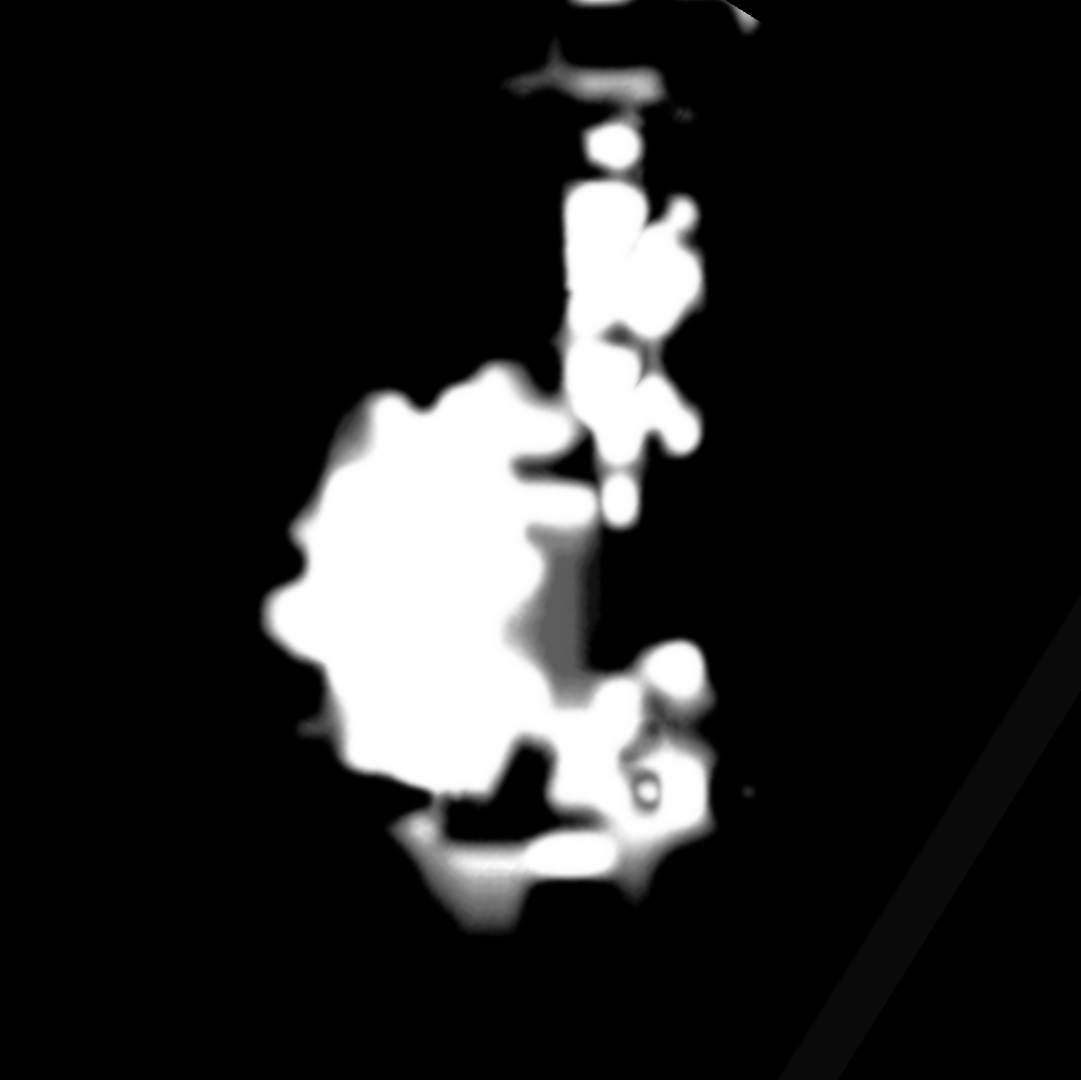

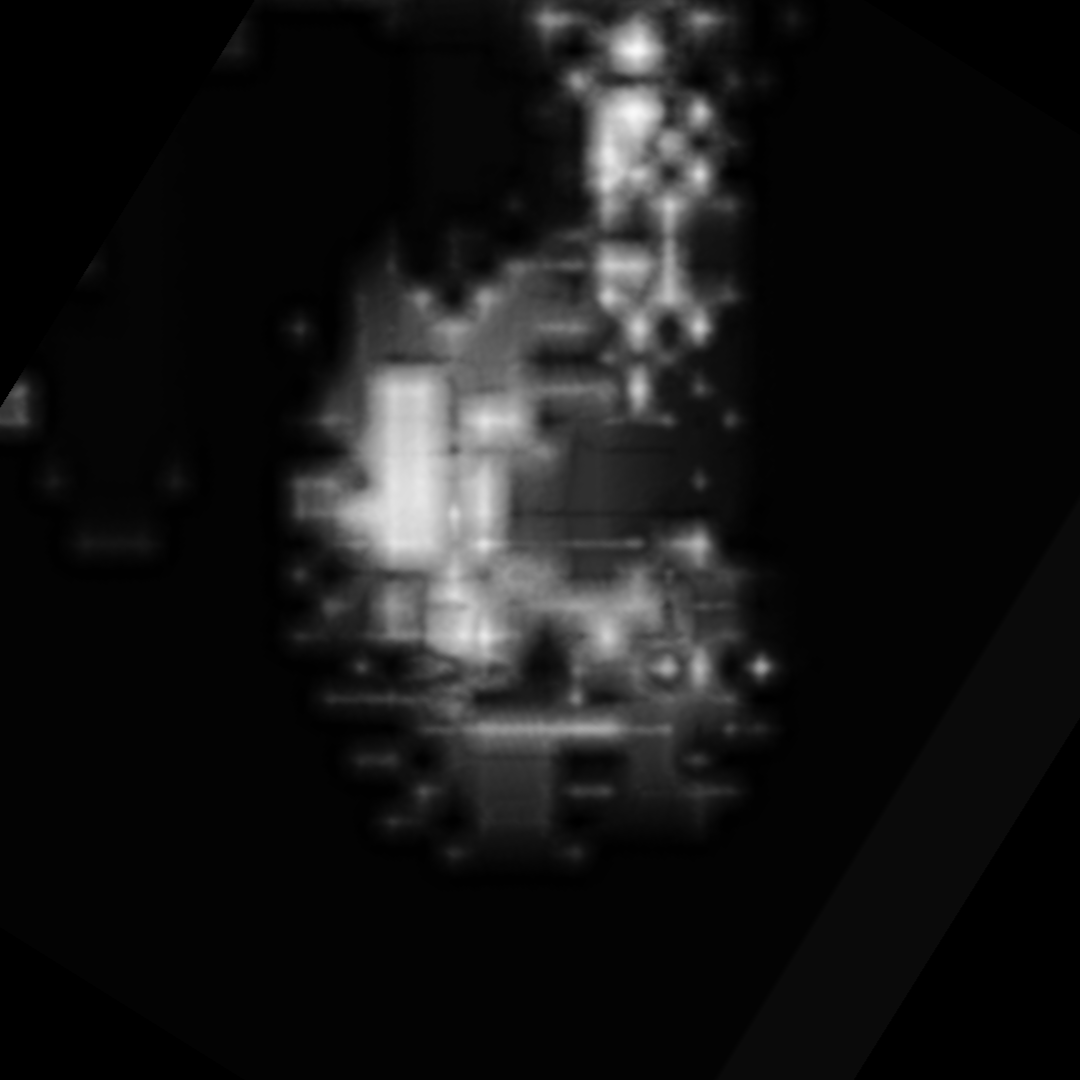
Gallery 4: Comparative Documentation – Visual Evidence of the Liquid Phase (Area C).
The following gallery serves as supplementary documentation and presents further visual evidence for the existence and dynamics of the liquid phase (Medium C) in the outlet area of the transport pipe. The focus is on the phenomenological representation of the two directly connected elements, the contrast of which clarifies the function of the supply:
- Solid Pipe (B): Highlighting the reflections and material structure, which confirm the physical reality of the pipeline.
- Liquid Medium (C): Visualization of the homogeneous transparency, flowable consistency, and flow pattern at the nozzle outlet (nozzle function).
Structural Analysis: The Supply System in Detail
To understand the significance of these images, we must compare the observed morphology with known physical principles. Although all analyses are based on the same source information (ROI), they consistently reveal the following facts:
- The Pipe (B): This is not a shadow. The light reflections on the surface indicate a solid, three-dimensional object. It functions as a closed supply line—comparable to a technically integrated "straw."
- The Nozzle Function: The pipe tapers conically at the end. In fluid mechanics, this serves to accelerate and focus a medium.
- The Medium (C): A substance emerges here. It is not volatile (like a gas) but has a dense, viscous consistency (a suspension or an "energetic substrate") that exits as a directed jet.
- The target direction: The beam is precisely aimed at the anatomically correct target – the mouth opening.
Conclusion: Random image noise would never form such a logical, technically rigorous chain of "conduit → nozzle → target point." Here we see an active, controlled supply process of a CBE (Constructed Biological Entity).
Contextualizing the Energy Supply: The Universal Ritual of Sustenance
The following gallery integrates the individual technical findings into a comprehensive whole. We are witnessing the Constructed Biological Entity (CBE) in an intimate moment of functional activity: the energy supply or substrate intake process.
The scene depicts the entity in what appears to be a seated position, consistent with the spatial proportions observed inside the UAP. The head is slightly elevated and oriented ventrally, while the gaze is simultaneously directed toward the craft's observation port. A supply element (the tank), firmly connected to the oral interface via the tubule, functions as a reservoir for the energetic substrate.
This observation leads to a fundamental realization: The necessity of external energy intake is not a uniquely human trait, but a universal biological and cybernetic constant. We are observing a life-sustaining ritual that bridges the gap between our species and these Non-human Intelligences (NHI) — the fundamental dependence on energy to maintain existence.
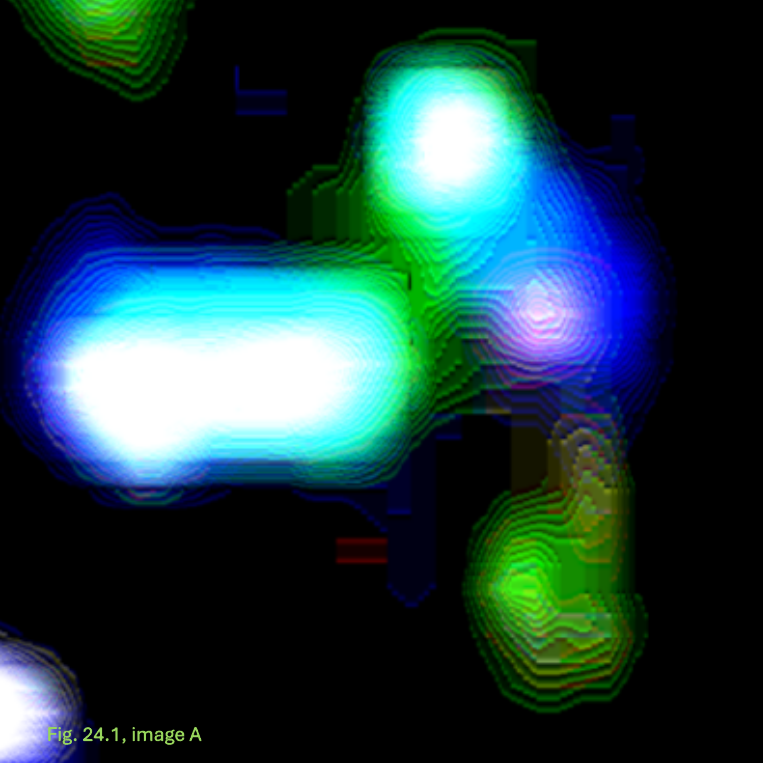
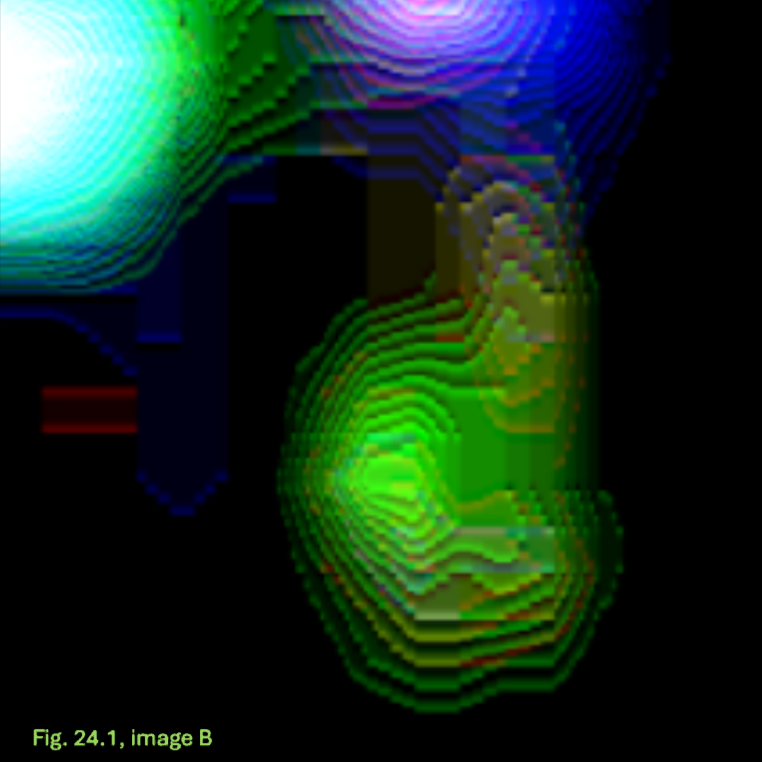
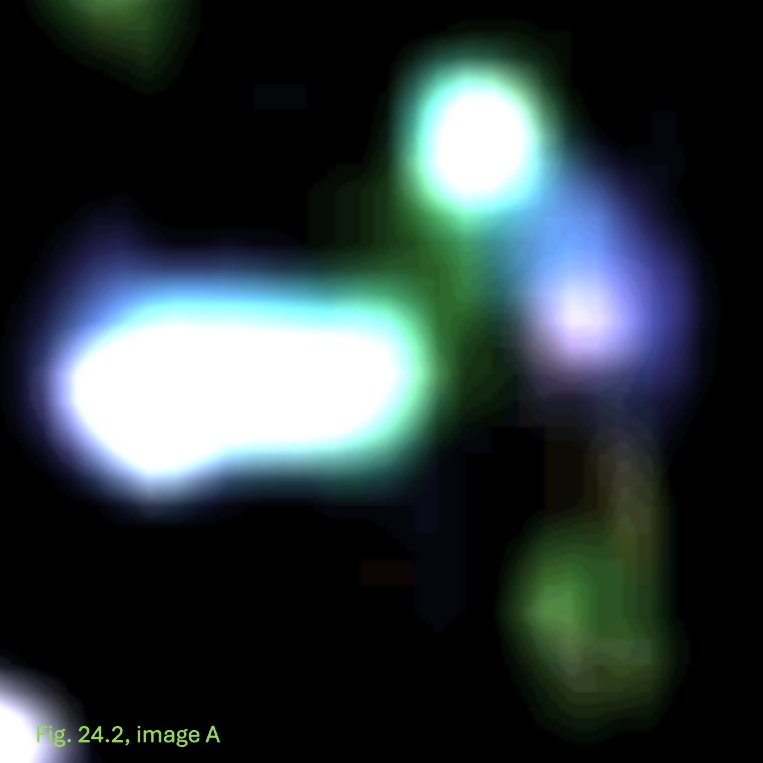
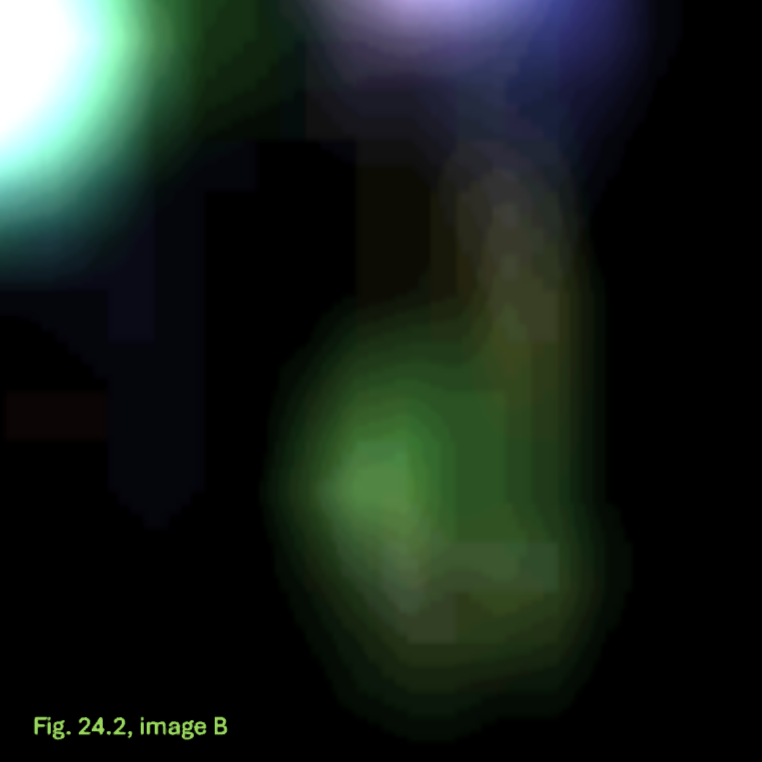
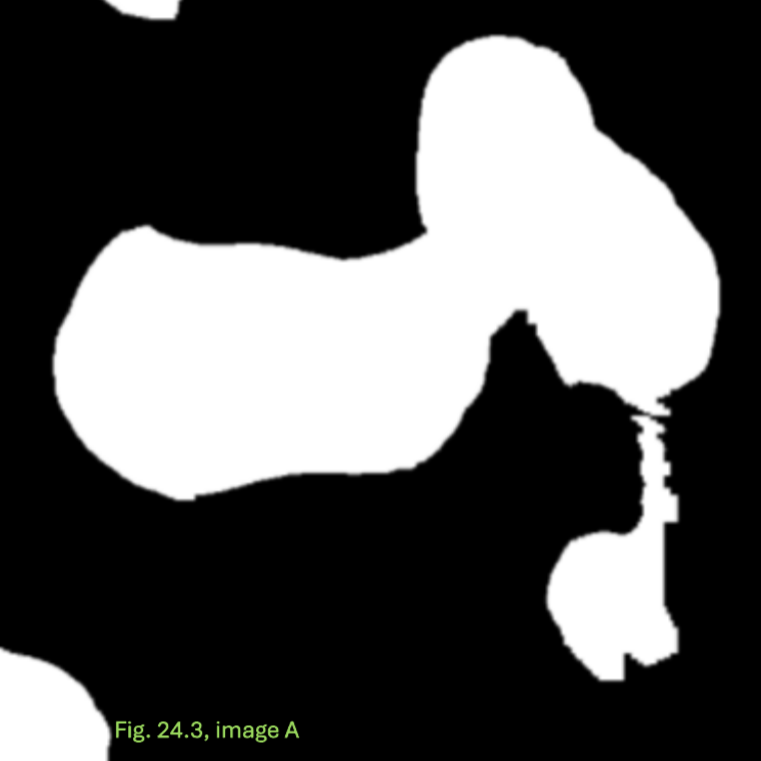
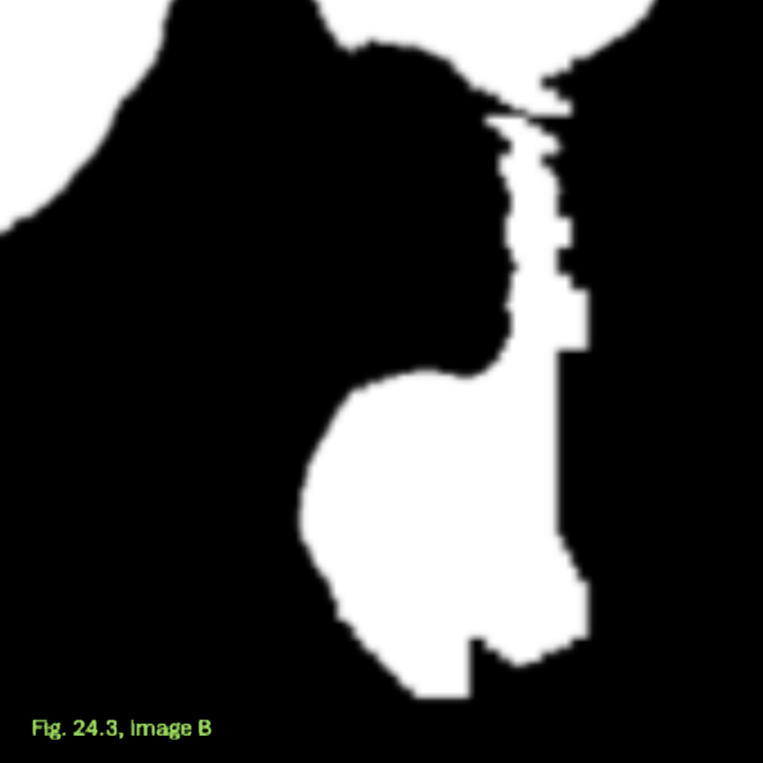
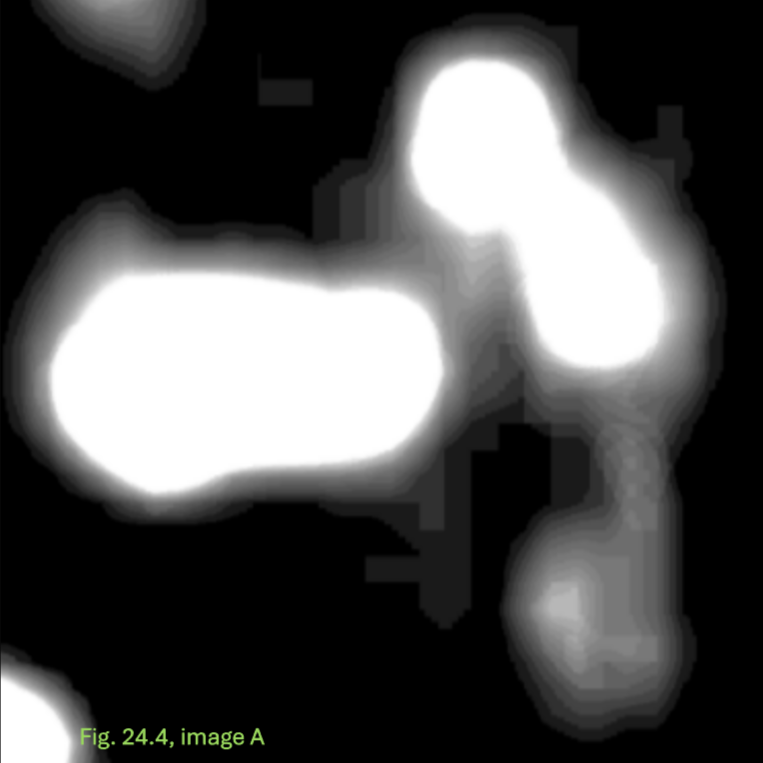
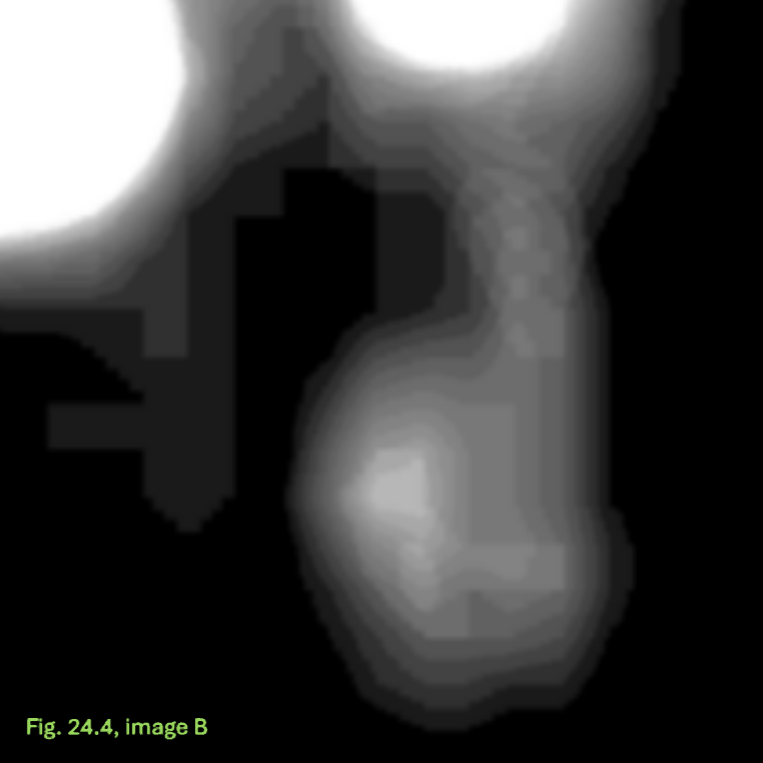
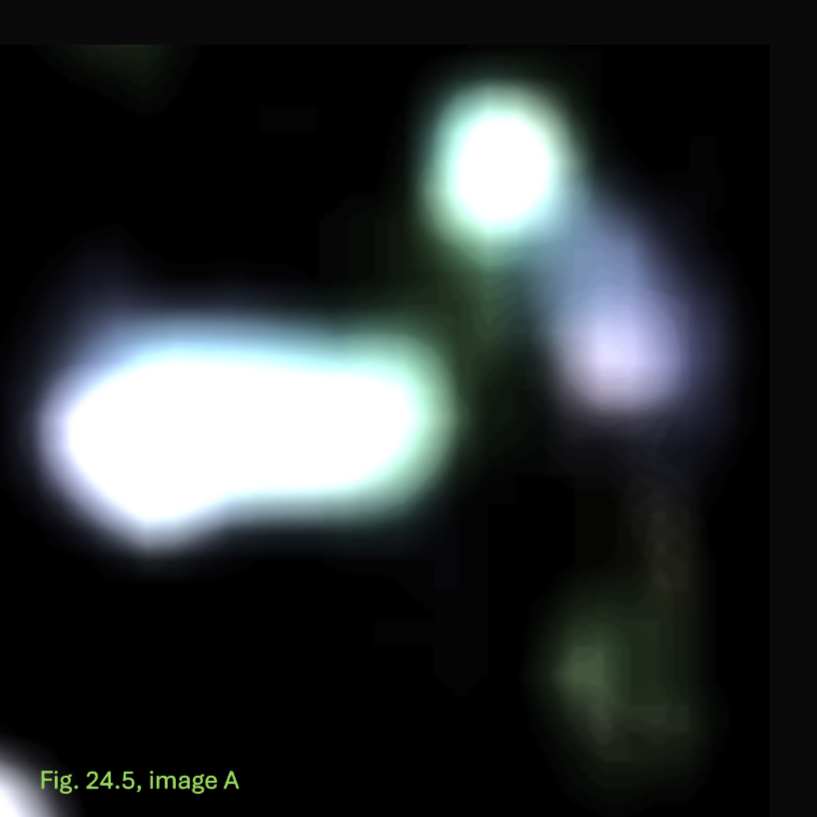
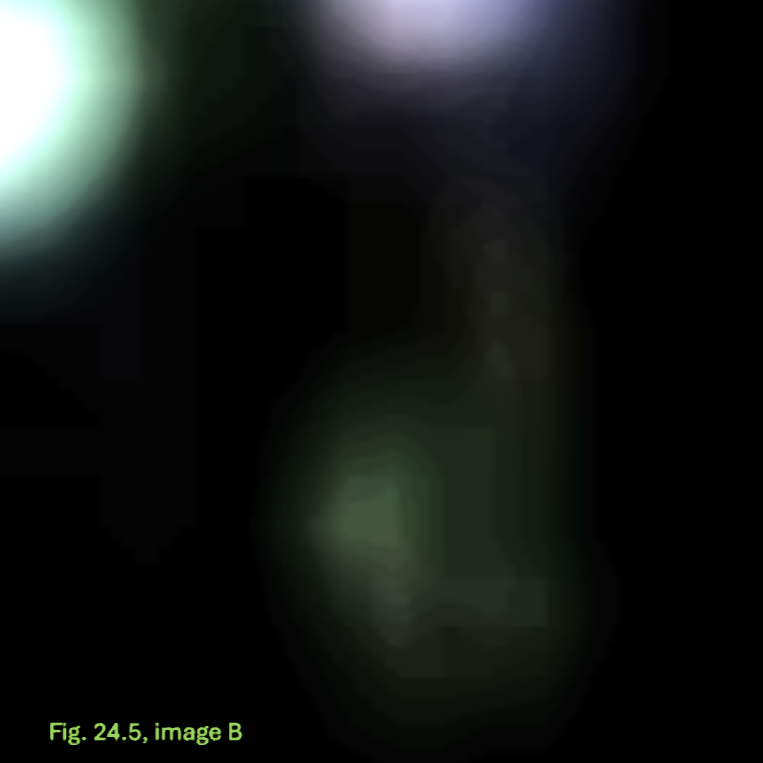
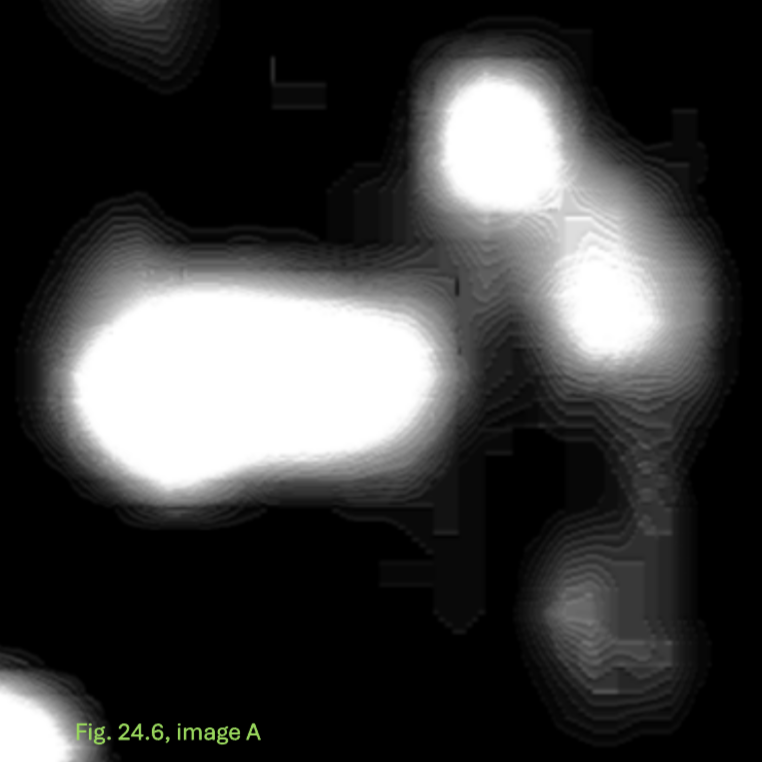
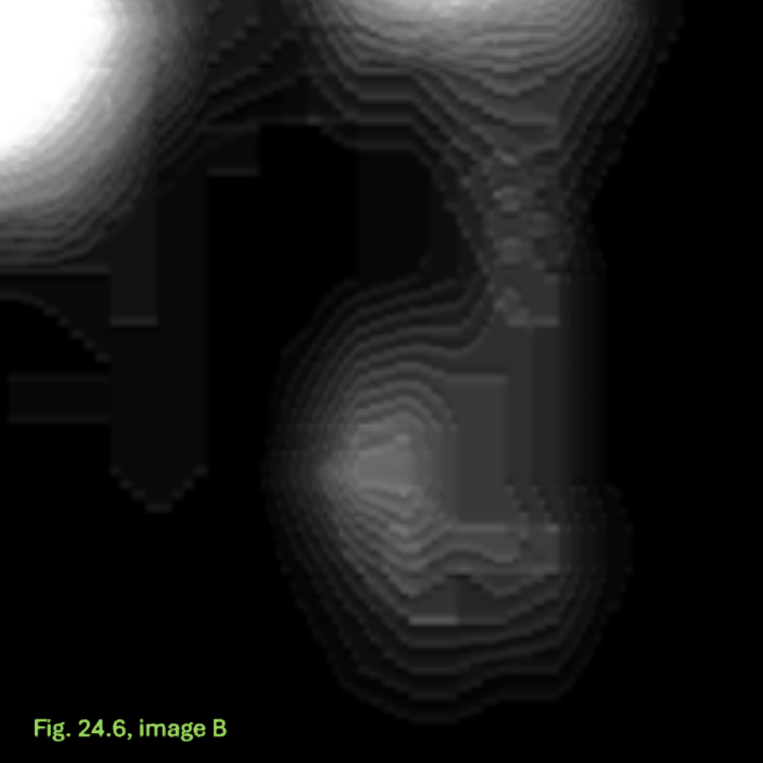
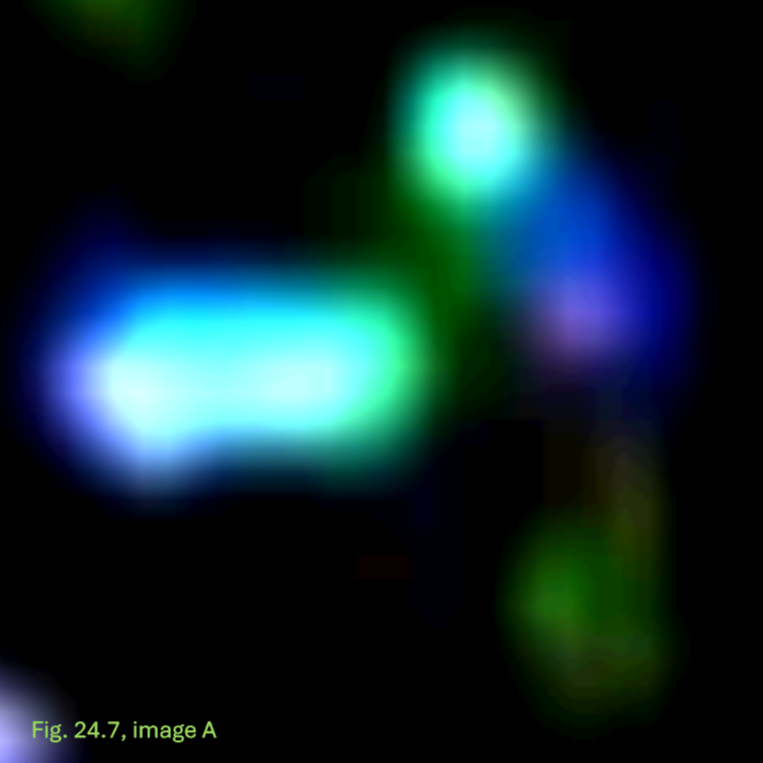
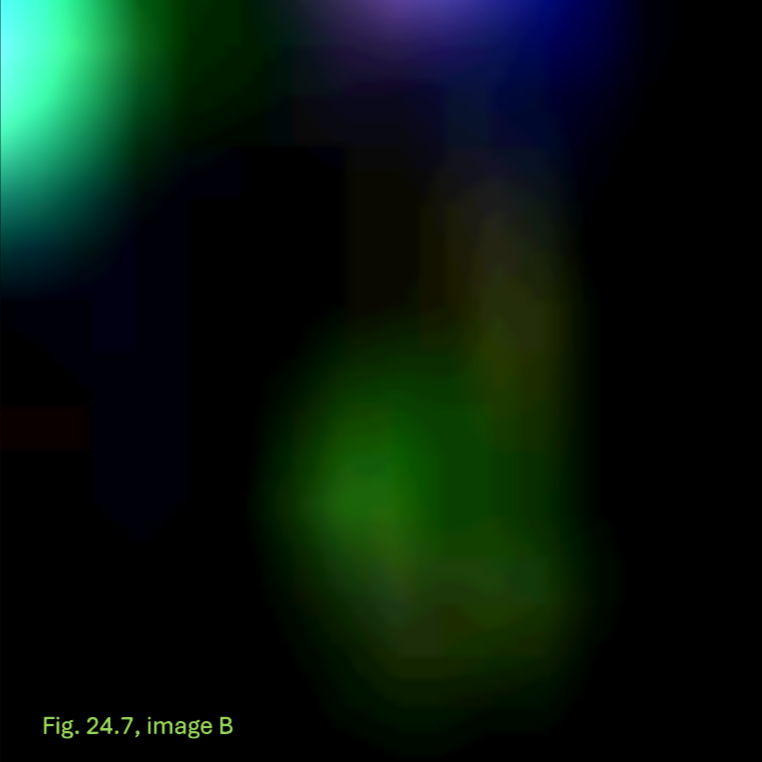
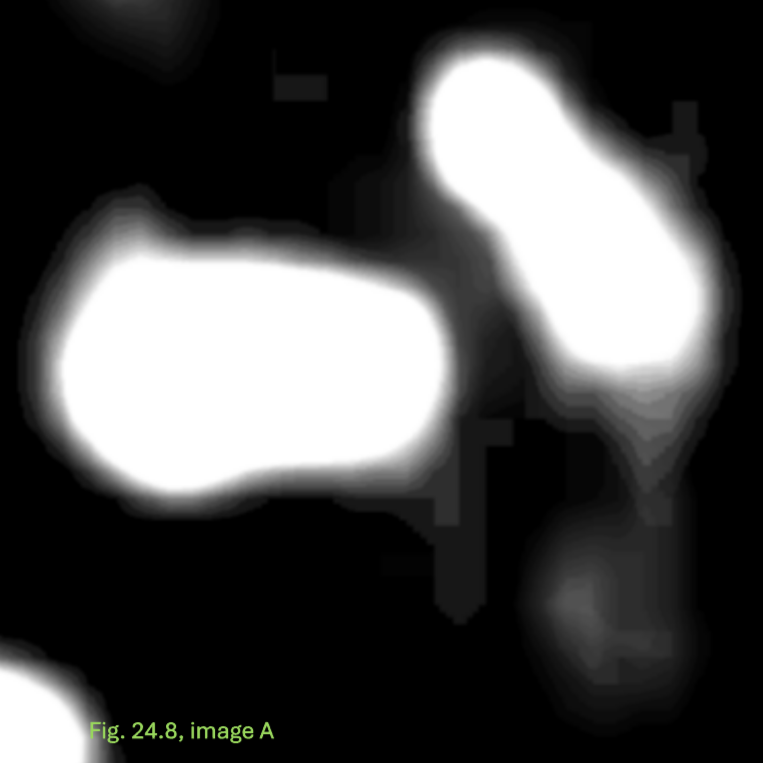
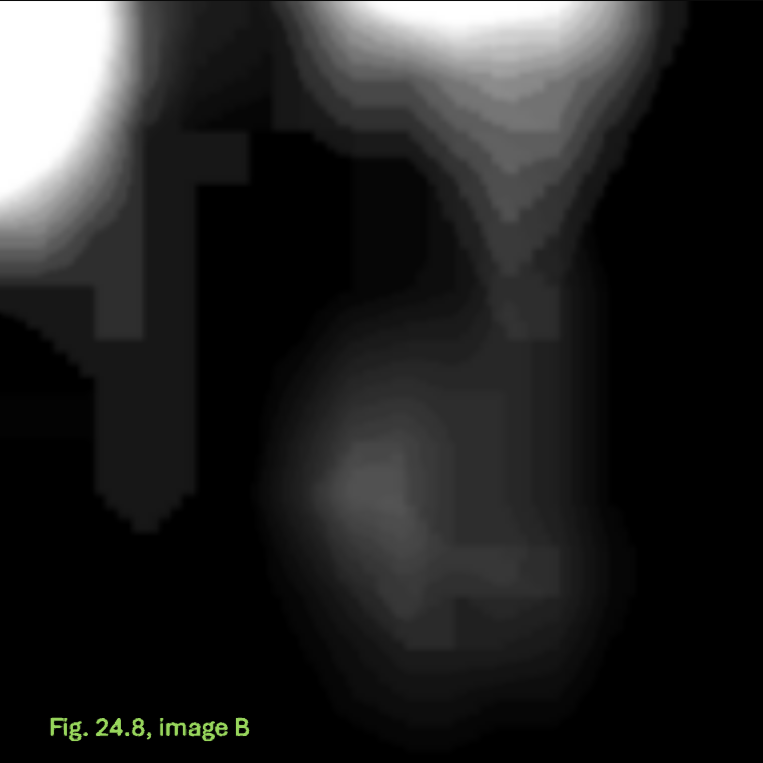
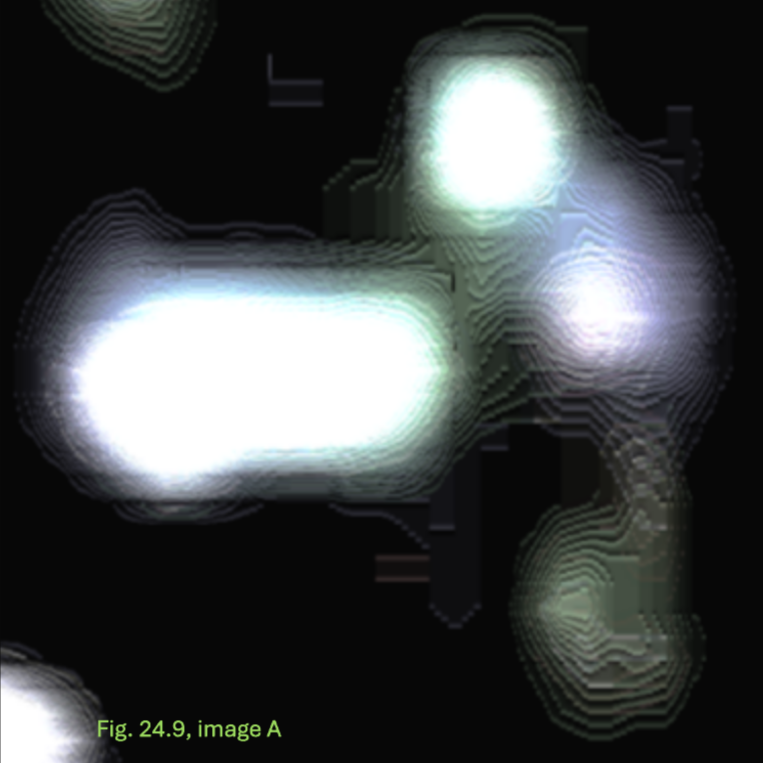
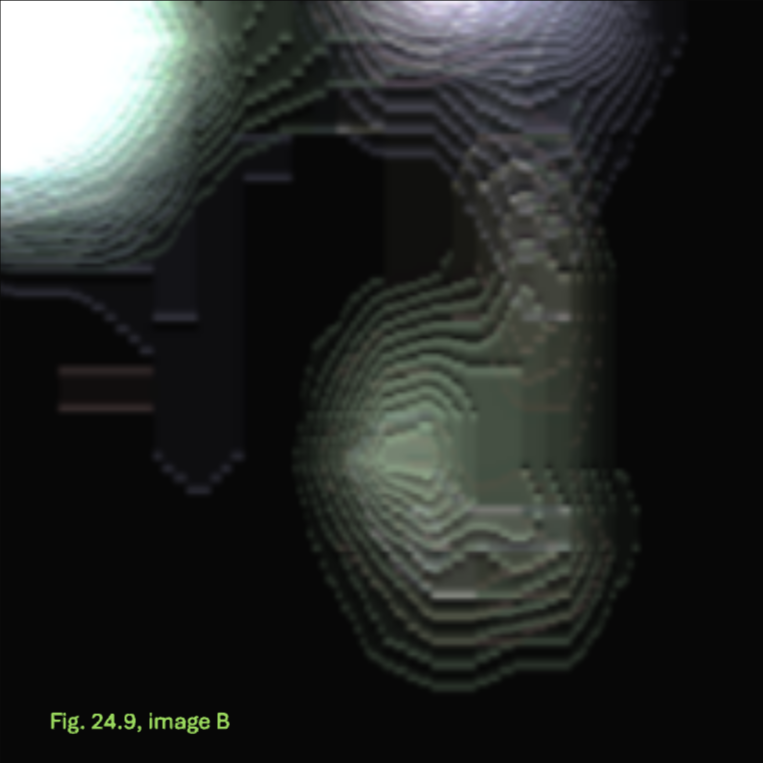
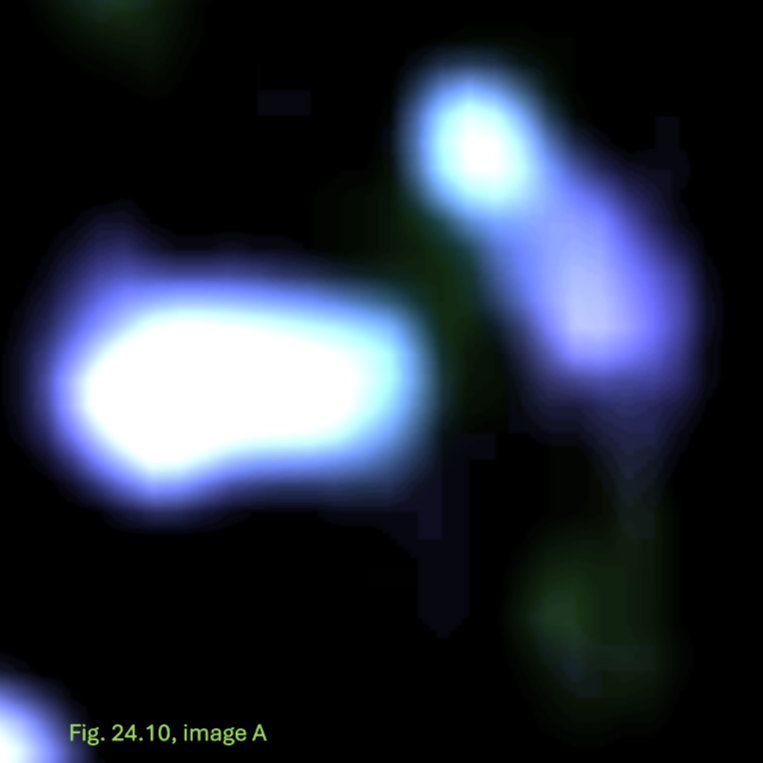
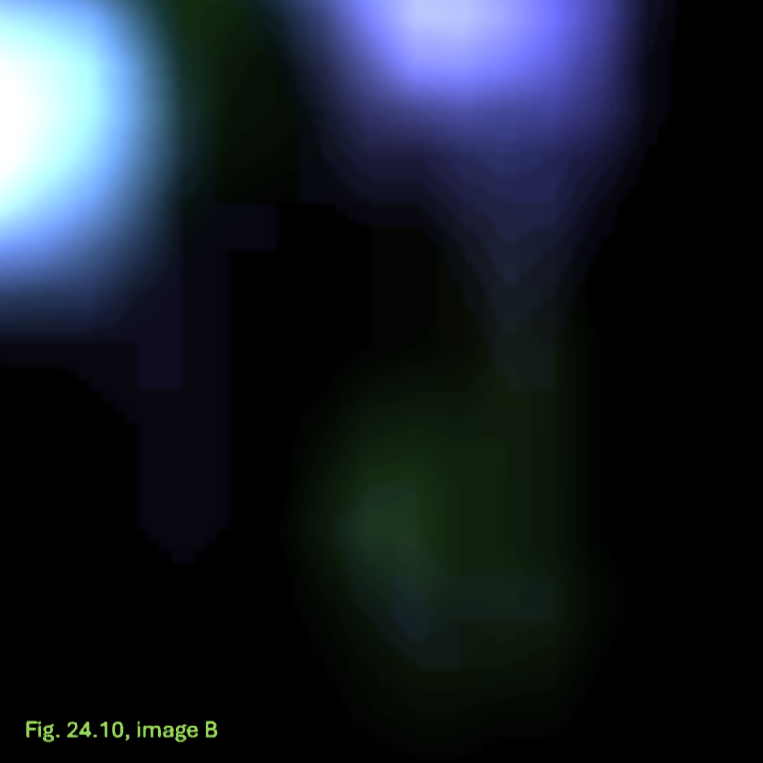
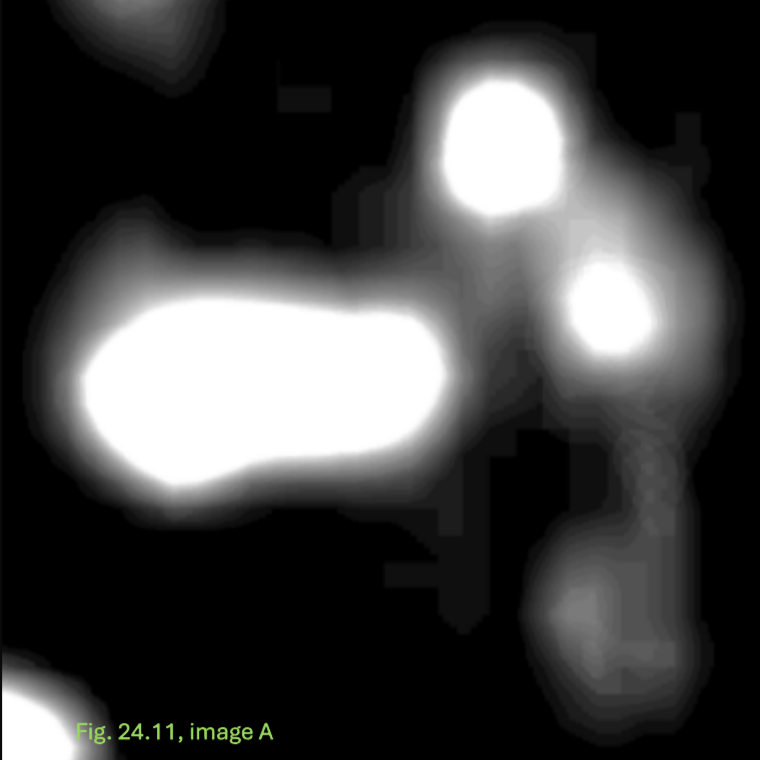
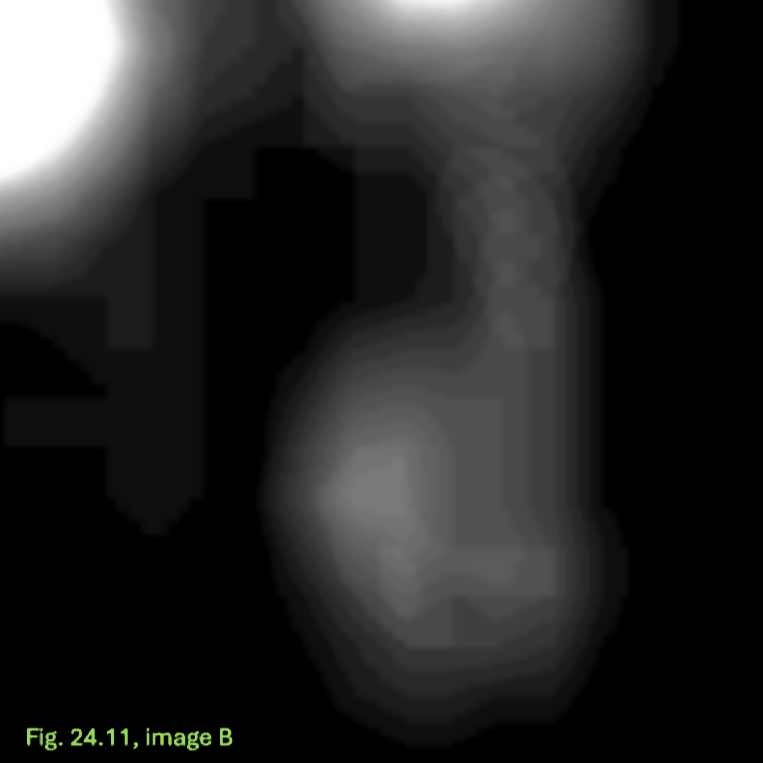
Gallery 5: Visualization Concept: The Dual View.
To illustrate the anatomical integration of the supply system, we present the images in a contrasting split-screen display:
- View A (The Portrait): The complete view of the CBE. It allows for the observation of the entire physiology and the calm, focused posture during the procedure.
- View B (The Detailed Analysis): A targeted magnification focusing on the mechanical interface. Here, the materiality of the tube (B) and the dynamics of the fluid phase (C) become apparent within their functional context.
Note: The image numbers included in the images are taken from the original source analysis and serve for internal referencing purposes; they are not relevant for navigation on this website.
4 Analysis Results & Conclusion
4.1 Synthesis of Metrological and Morphological Findings
The examination of the high-resolution video material provided quantifiable and morphological evidence for the existence of a Constructed Biological Entity (CBE), whose structure is incompatible with terrestrial biology.
- Metrical Rigidity (Ocular Structures): The metrological study demonstrated the exceptional geometric stability of the pupil analogues, establishing a Standard Deviation (SD of 0.01). This value categorically rules out interpretation as an inconsistent image artifact and confirms a stable, physical structure.
- Anatomical Deviation (Head Proportions): The identified ocular structures and head proportions (e.g., the large, hairless head relative to the human skull) are significantly incompatible with all known terrestrial vertebrate parameters.
- Proven 3D Nasal Structure: Analysis of the nasal region revealed coherent line patterns suggesting a three-dimensional structure, including the nasal root, tip, and differentiated nostril openings. This spatial demarcation and the homogeneous, differentiated coloring of the nasal structure underpin the existence of an ordered, physical anatomy and distinguish it from random image artifacts.
- Specialized Oral Structure (Morphology & Physics): A clear oral structure was identified (consisting of upper and lower lip analogues). The light reflection confirms the physical existence of the structure. The morphology, particularly the shape of the lower lip analogue, which resembles a bird's lower jaw, substantiates its specialized feeding function for the energy supply process.
4.2 Contextual Findings of the Supply System
The analysis provided unexpected insights into the CBE's lifestyle and physiological processes:
- Energy Supply Process: An energy supply process was identified in which a tube (B) extending from the reservoir delivers a liquid/mushy medium (C) under pressure to the oral interface.
- Fundamental Activity: The observed substrate uptake is a fundamental activity analogous to human behavior. This leads to the far-reaching conclusion that the need for an external energy supply applies to humanoid entities (NHI) in general.
- Discrepancy in Visibility (QFS): The clear visibility of the CBE and its supply system, in contrast to the barely visible "normal Greys," is explained by the quantum field stabilization (QFS) hypothesis. The supply system is integrated into the CBE's QFS protocol to ensure the stability of the transport process.
4.3 Conclusion and Implications for Science
The integration of metric, morphological, and contextual facts elevates the phenomenon from an anecdotal observation to a quantifiable physical object.
- Construction Principle: The near-perfect geometric invariance (SD 0.01) implies a technological mastery of physics, in which the structure is stabilized by a continuously maintained energy field. This suggests advanced synthetic biology.
- Implications: The existence of a Constructed Biological Entity (CBE) utilizing such an advanced construction principle provides irrefutable evidence for the authenticity of the Kumburgaz films.
Outlook: The results of this work open a fascinating new chapter in scientific UAP research. The quantification of this entity offers the unique opportunity to expand and redefine the anthropocentric concept of life and intelligence. It is now up to the global community to approach this new reality not with skepticism, but with the greatest possible scientific curiosity and interdisciplinary enthusiasm. The path is open for exciting discoveries beyond known biology.
© 2025 Caroline Lacson
Location: Germany
5 References
This reference list contains the sources explicitly cited in the text.
A. Citation Style (APA Style)
Source Text Citation
UAP Video Sequence (Yalman) (Yalman, 2008)
Previous (External) Analysis (Valdés) (Valdés, 2010)
Definitions:
- UAP Video Sequence: The original recording by the witness (Murat Yalcin Yalman), which serves as raw material.
- Previous (External) Analysis: The first published graphic material that provided the still image 7 to be analyzed.
B. Bibliography
- Valdés, M. (2010). Analysis of the Kumburgaz, Turkey UFO Videos. National UFO Center (NUFOC). Retrieved from https://nationalufocenter.com/2013/10/analysis-of-the-kumburgaz-turkey-ufo-videos/
- Yalman, M. Y. (June 8, 2008). Turkey UFO Original Raw Footage (1 of 3) 2008 UFO In Kumburgaz, Turkey Over Marmara Sea, Genuine UAP Original Witness Mini DV Film [Video]. YouTube. Retrieved from https://youtu.be/imwqRPr83is?list=PLLxHwkkuCQiAxs41N15DzcPl46IbJaQ27